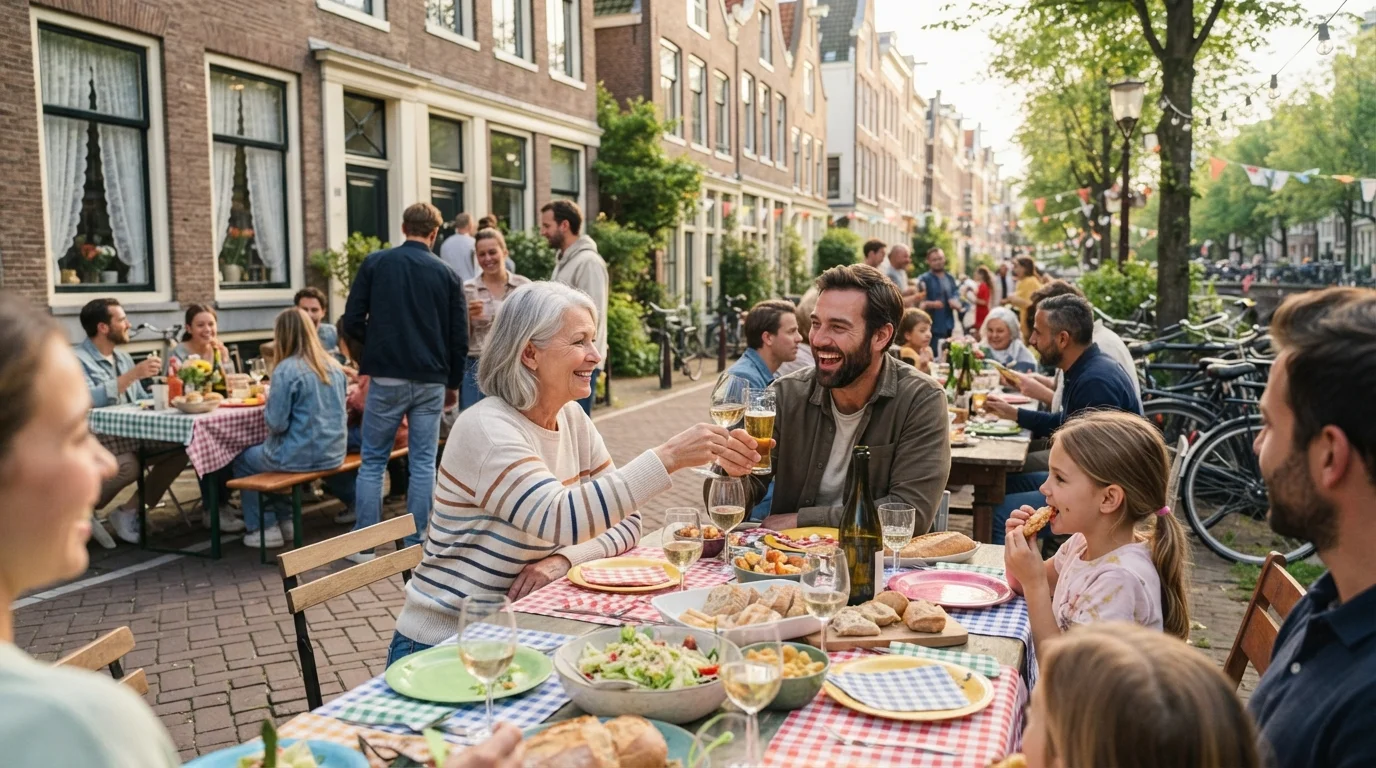
The Dutch 'Borrel' Etiquette: What to Expect at a Friday Afternoon Drink
It is Friday afternoon at 16:45. Keyboard clicking slows down, laptops begin to snap shut, and someone across the open-plan office calls out the...
Read more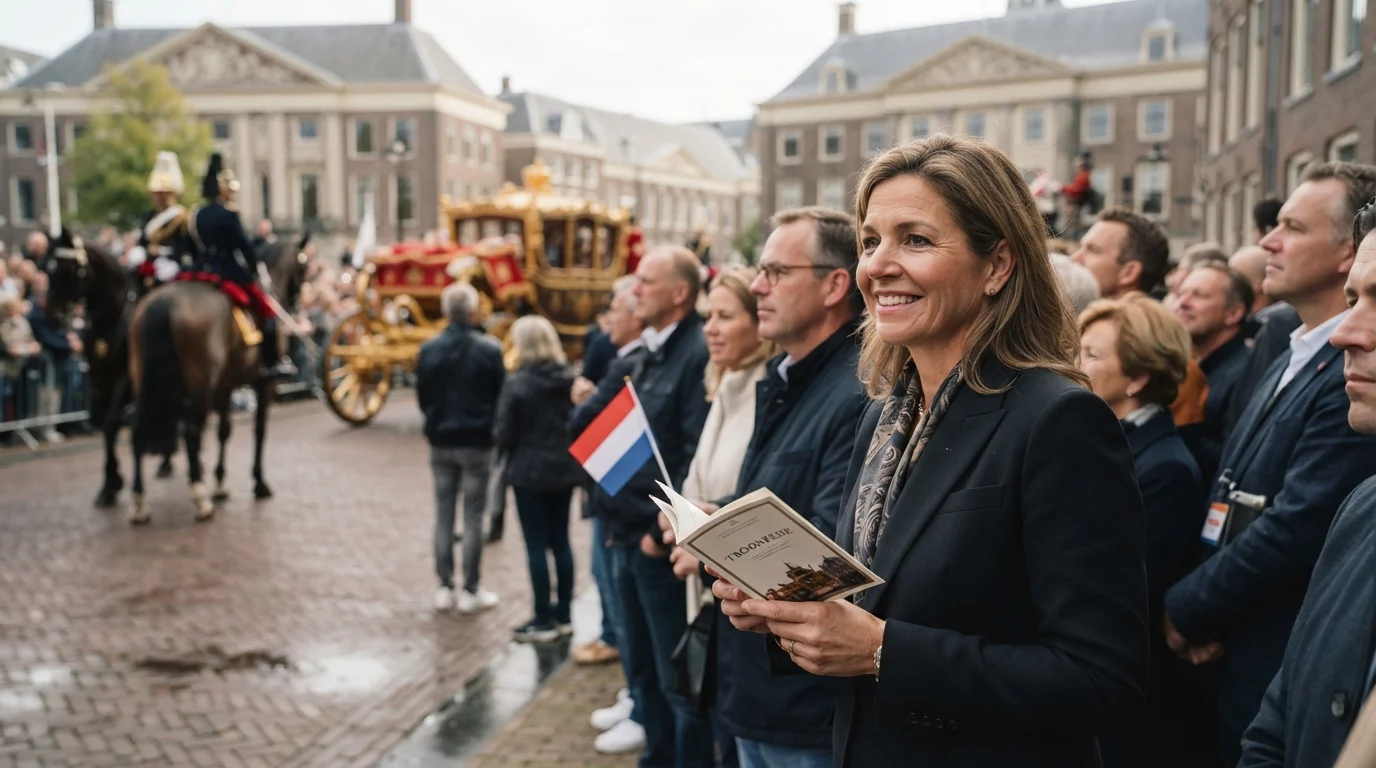
Every year on the third Tuesday in September, the political heart of the Netherlands transforms into a vibrant spectacle of royal pomp, elaborate millinery, and critical economic announcements. Known as Prinsjesdag (Prince's Day), this unique day is both a majestic constitutional ceremony and a pivotal moment for anyone living, working, or studying in the Netherlands.
For expats, internationals, and Dutch language learners, Prinsjesdag offers a fascinating window into Dutch society, monarchical tradition, and parliamentary democracy. It marks the end of the Dutch summer holiday season and sets the stage for the country's national agenda for the coming year. In this comprehensive guide, we'll explore the history of Prinsjesdag, its most famous customs (from golden carriages to political statement hats), essential Dutch political vocabulary, and what the day means for your daily life.
In official Dutch terms, Prinsjesdag is also referred to as Begrotingsdag (Budget Day). It is the ceremonial opening of the Dutch parliamentary year for the Staten-Generaal (the Senate and the House of Representatives), held annually in The Hague (Den Haag).
The name Prinsjesdag dates back to the 18th century. Originally, it referred to the celebration of the birthday of Prince Willem V on March 8. During the era of the Patriots (a democratic political movement in the late 1700s), celebrating the Prince's birthday was an act of loyalty to the House of Orange. In the 19th century, after the establishment of the Kingdom of the Netherlands, the name was colloquially transferred to the day parliament opened.
According to Article 65 of the Dutch Constitution, the state opening must take place on the third Tuesday in September. According to historical records on Prinsjesdag history, this specific day was chosen in 1887 to give parliamentarians sufficient time to debate and pass the national budget before the new fiscal year begins on January 1, while avoiding long travel disruptions for representatives coming from rural provinces.
Prinsjesdag combines centuries-old monarchical protocol with down-to-earth Dutch governance. Here are the five key elements you will see on the news or in the streets of The Hague:
Shortly after midday, King Willem-Alexander and Queen Máxima depart from Noordeinde Palace in a horse-drawn ceremonial carriage, accompanied by members of the Royal Household, mounted police, and military honour guards. Traditionally, the King travelled in the historic Gouden Koets (Golden Coach), a gift from the citizens of Amsterdam in 1898. In recent years, due to historical debates surrounding colonial imagery on the Golden Coach, the King uses the Glazen Koets (Glass Coach), a stunning royal carriage built in 1826.
The procession arrives at the location of the joint session of parliament—traditionally the Ridderzaal (Hall of Knights) in the Binnenhof, though temporary locations such as the Koninklijke Schouwburg (Royal Theater) are used during major restorations. Here, the King delivers the Troonrede. While read by the monarch, the speech is written by the Prime Minister (minister-president) and cabinet ministers. It reviews the state of the nation and outlines the government's primary legislative and financial priorities for the coming year.
Perhaps the most famous visual symbol of Dutch fiscal policy is a simple leather briefcase bearing the text: "Derde Dinsdag in September". Carried by the Minister of Finance (Minister van Financiën), this briefcase contains the Miljoenennota (the National Budget memorandum) and the Rijksbegroting (the state budget). The tradition began in 1947, inspired by the British Budget Day tradition, and has become a beloved media moment.
Prinsjesdag has developed an unintentional yet famous fashion tradition known as the Hoedjesparade (Parade of Hats). Female parliamentarians, ministers, and invited guests wear striking, elaborate hats. What started in 1977 when MP Erica Terpstra wore a flamboyant hat to brighten up the sea of grey political suits has evolved into a national spectacle. Today, many politicians use their hats to make subtle—or bold—political, environmental, or social statements.
After the Speech from the Throne, the Royal Family returns to Noordeinde Palace. At around 2:00 PM, they appear on the palace balcony to wave to thousands of cheering citizens waving orange flags, an event known as the Balkonscène.
If you are learning Dutch or preparing for the civic integration exam (Inburgeringsexamen), especially the Kennis van de Nederlandse Maatschappij (KNM) component, Prinsjesdag is packed with essential political terminology:
Mastering political and civic terms can feel daunting, but it doesn't have to be. With StroopTaal, you can explore cultural lessons spanning Dutch society, practice your vocabulary with spaced repetition, and build confidence with real-life conversation practice with AI tailored to your language level.
Prinsjesdag is far more than royal pageantry; the announcements made in the Miljoenennota directly impact your personal finances and lifestyle in the Netherlands. You can review official policy highlights via the official Government.nl Budget Day portal. Key areas announced on Prinsjesdag include:
Prinsjesdag is the centrepiece of Dutch September culture, but the transition from late summer to autumn brings several other cultural customs that help you integrate into life in the Netherlands:
Held on the second weekend of September (just before Prinsjesdag), Open Monumentendag allows the public free access to thousands of historical buildings, monuments, castles, and private canal houses across the country that are usually closed to visitors.
In early September, Dutch workplaces, sports clubs, and schools return to their strict agendas after the summer break. Dutch colleagues will often exchange stories about surviving unique Dutch cultural rituals and holidays before diving straight into the busy autumn work season.
September also builds excitement for regional historical commemorations, leading directly into October traditions like historic celebrations like Leidens Ontzet, where communities celebrate local heritage with parades, music, and seasonal food.
Want to immerse yourself in the Prinsjesdag experience? Here are a few practical ways to take part:
Practicing spontaneous discussions about current affairs is one of the fastest ways to achieve Dutch fluency. By using StroopTaal's AI-powered interactive dialogues and pronunciation feedback, you can simulate real workplace discussions and discuss current affairs with total confidence.
Prinsjesdag is a uniquely Dutch blend of historic grandeur, vibrant fashion, and pragmatic governance. Understanding what happens on the third Tuesday of September will not only keep you informed about upcoming financial changes, but it will also deepen your appreciation for Dutch cultural values, democratic traditions, and social discourse. Put on your figurative statement hat, tune into the Troonrede, and celebrate one of the most colourful milestones of the Dutch calendar year!
Share this article:
It is Friday afternoon at 16:45. Keyboard clicking slows down, laptops begin to snap shut, and someone across the open-plan office calls out the...
Read moreMoving to the Netherlands as an expat or international resident comes with plenty of cultural discoveries—from navigating bike lanes in the pouring...
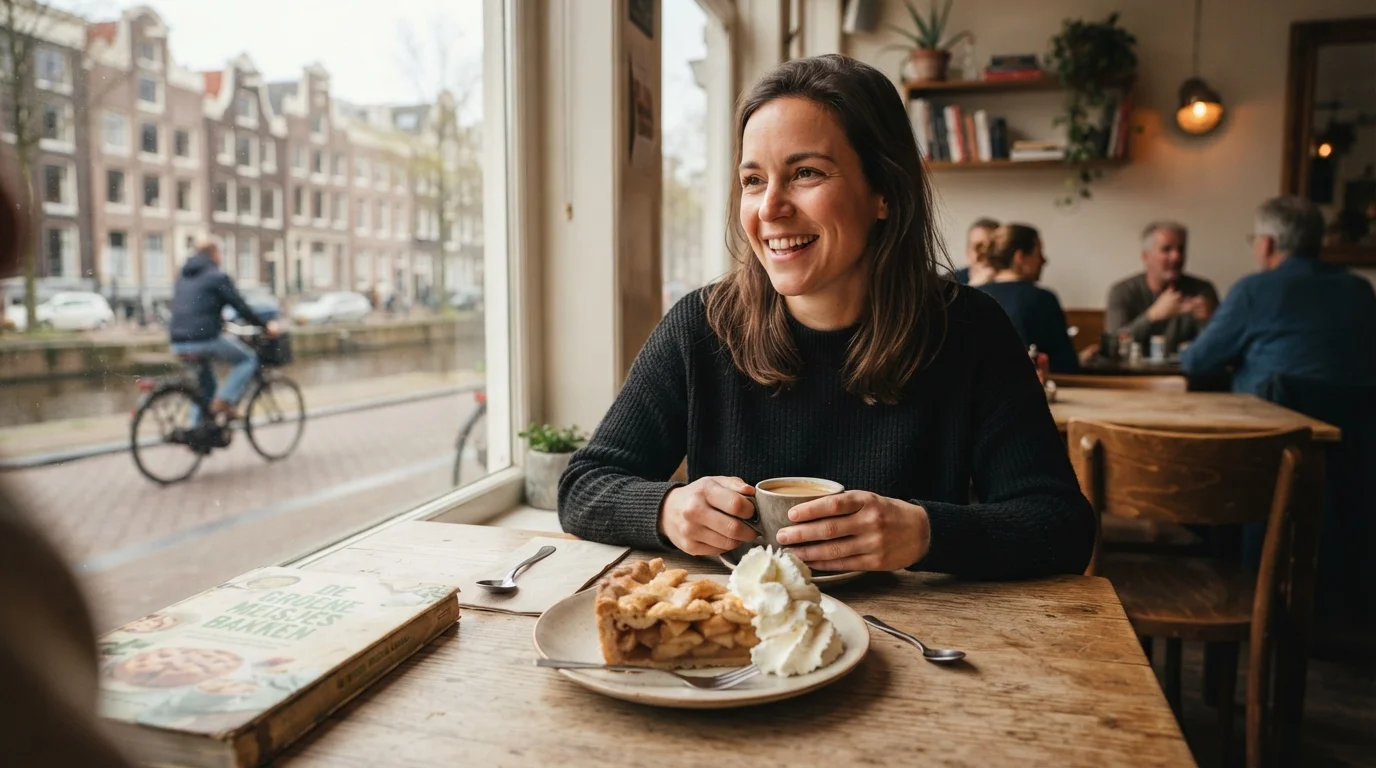
Read moreStep into any traditional Dutch café on a brisk afternoon, and you will almost certainly be greeted by a familiar, intoxicating aroma: warm...
Read more