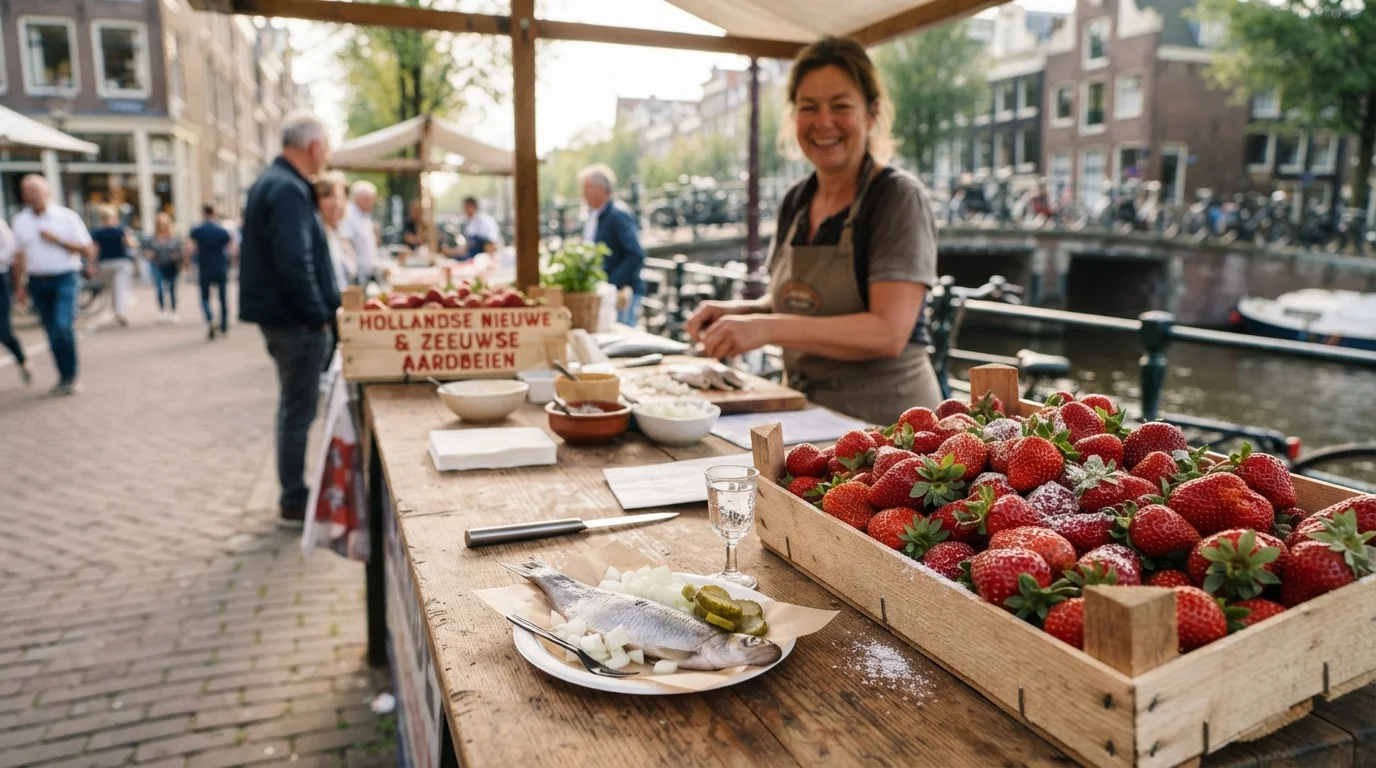
Traditional Dutch Summer Foods: From Herring to Strawberries
When summer arrives in the Netherlands, the entire country undergoes a vibrant transformation. The grey, rainy skies give way to long, golden...
Read more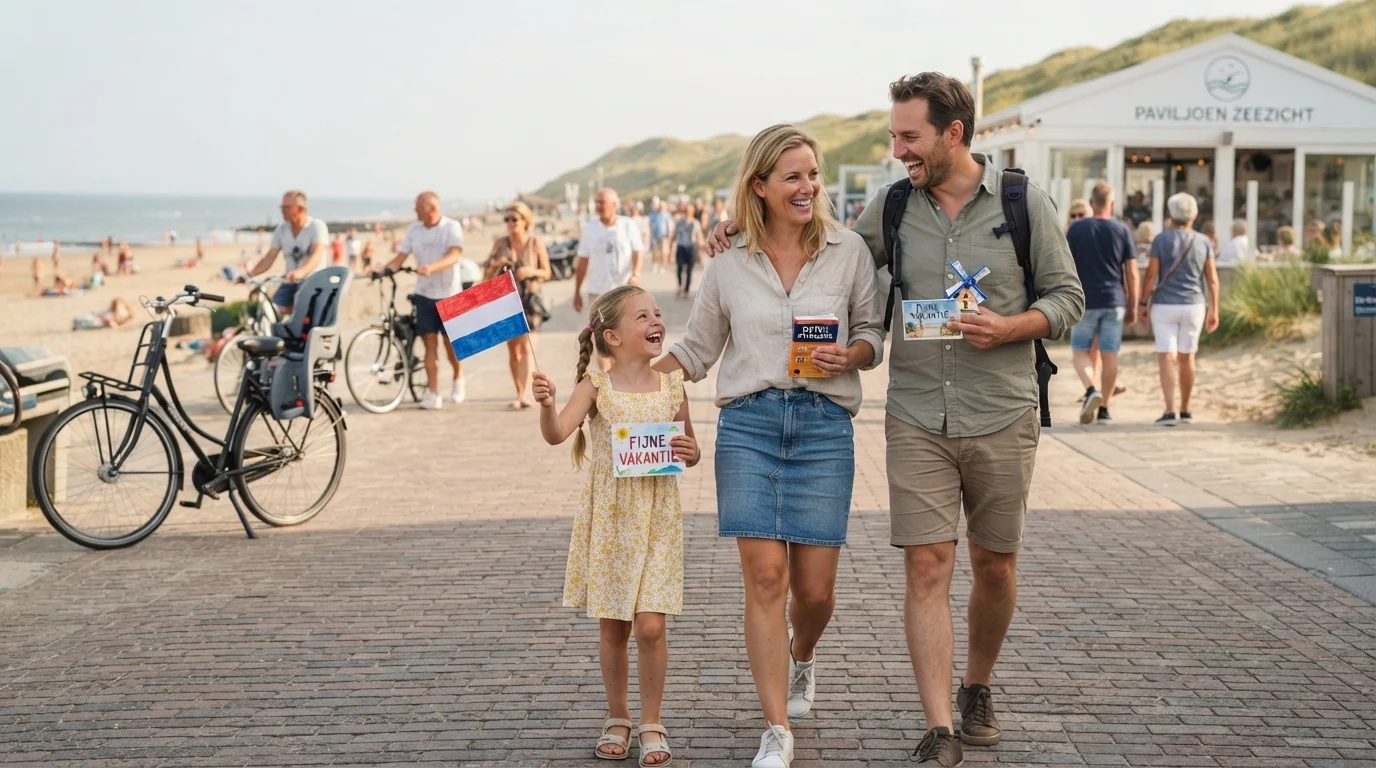
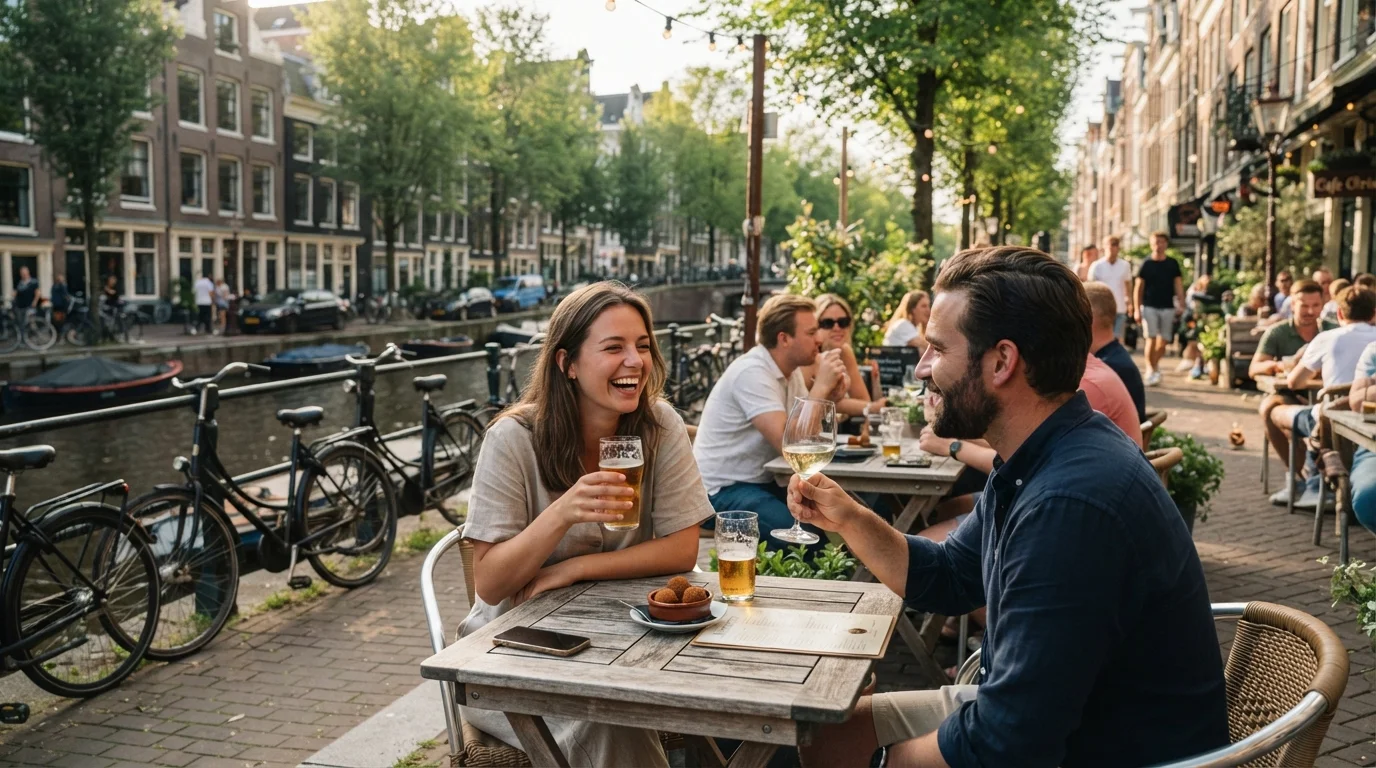
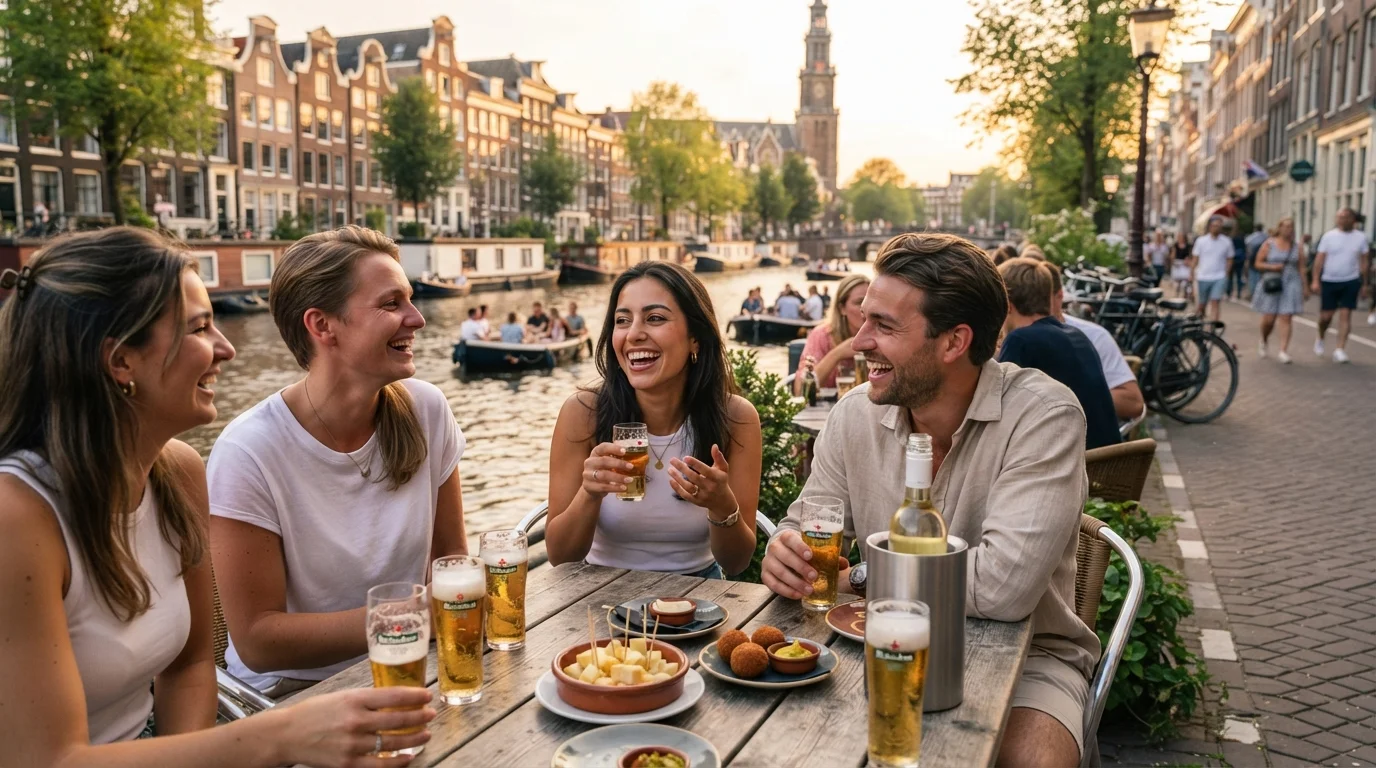
Ah, summer in the Netherlands! While the Dutch weather can be famously unpredictable, the moment the sun breaks through the clouds, the entire country undergoes a magical transformation. The streets empty out, the parks fill up, and the outdoor terraces are packed with people enjoying a cold craft beer or a glass of rosé. If you are an expat, a language learner, or someone preparing for your civic integration exam (inburgeringsexamen), understanding the rhythms of the Dutch summer holiday (zomervakantie) is key to truly integrating into local life.
During July and August, the Dutch embrace outdoor living to the fullest. Whether they are soaking up how the Dutch enjoy summer gezelligheid in urban parks or preparing for their annual trek to the south of Europe, summer is a sacred time. In this comprehensive guide, we will explore where Dutch locals actually go on vacation, dive deep into essential summer vocabulary, learn how to wish your colleagues and friends a fantastic trip, and uncover the unique cultural quirks that define the Dutch summer season.
When the school year ends and the summer heat arrives, the Dutch split into two distinct groups: those who seek adventure and relaxation within the borders of the Netherlands, and those who join the massive southern migration across Europe.
For many locals, the ultimate summer escape lies just off the northern coast of the country. The Wadden Islands—Texel, Vlieland, Terschelling, Ameland, and Schiermonnikoog (often remembered by the acronym TVTAS)—are a paradise of sandy dunes, pine forests, and wide-open beaches. Here, cars are either restricted or completely banned (on Vlieland and Schiermonnikoog), making bicycles the primary mode of transportation.
The Wadden Islands offer a slower pace of life. Locals spend their days cycling through the dunes, birdwatching, and participating in wadlopen (mudflat walking)—a unique and muddy activity where you walk across the seabed during low tide. It is a peaceful, nature-filled getaway that represents the absolute pinnacle of Dutch summer relaxation.
If they are not heading to the islands, many Dutch families flock to the mainland coast. The province of Zeeland, with its extensive clean beaches and massive delta works, is a hotspot for water sports enthusiasts, windsurfers, and families. Further north, coastal towns like Zandvoort, Bloemendaal, and Bergen aan Zee offer easy access to the North Sea for city dwellers from Amsterdam and Haarlem. If you are planning your own coastal getaway, make sure you are familiar with Dutch beach etiquette to avoid any awkward social slip-ups on the sand.
It is a classic European stereotype: a Dutch license plate towing a massive caravan down the French highway (the famous Route du Soleil). And like many stereotypes, this one is entirely true! The Dutch love camping (kamperen) more than almost any other European nation.
Every summer, thousands of Dutch families pack up their caravans, motorhomes (campers), or tents and head south. France remains the absolute number one destination, followed closely by Italy, Spain, and Croatia. The appeal lies in the guarantee of warm weather, affordable campsites, and the opportunity to live outdoors. Do not be surprised if you run into an entire village of Dutch tourists at a campsite in the Ardèche or around Lake Garda—complete with their own jars of Dutch peanut butter (pindakaas) and sprinkles (hagelslag) brought from home!
To talk about summer like a local, you need to master the vocabulary. The Dutch language has some wonderfully specific words to describe summer activities, weather, and feelings. Here is a list of essential terms to add to your vocabulary builder:
In the weeks leading up to July, you will hear people constantly wishing each other well as they prepare to leave for their vacations. Whether you are signing off an email to a colleague, saying goodbye to a neighbor, or chatting with a friend, using the right phrase will show that you respect their culture and are working hard on your language skills.
Here are the most common and natural ways to wish someone a great summer holiday in Dutch, ranging from casual to formal:
These phrases can be used with almost anyone—friends, family, neighbors, and close colleagues.
If you are writing to a business client, a boss, or someone you do not know very well, you can use these polite variations:
If someone is about to embark on a long drive or a flight, you can wish them a safe journey:
To truly understand the Dutch summer, you have to understand the unique economic and social structures that support it. Two terms you will definitely hear are bouwvak and vakantiegeld.
The term bouwvak (short for bouwvakvakantie) refers to the traditional collective holiday for the construction industry. Historically, construction sites across the entire country closed down completely for three weeks during the peak of summer so that all workers could take their holidays simultaneously. While it is no longer legally mandatory and some companies work through the summer, the region-by-region scheduling of the bouwvak still heavily influences when schools close and when traffic jams peak on European highways.
Perhaps the most beloved Dutch tradition of all is vakantiegeld. By law, almost every employed person in the Netherlands is entitled to a holiday allowance equal to at least 8% of their gross annual salary. This is typically paid out as a lump sum in May, just in time for people to book their summer flights, pay for their campsites, or buy new outdoor gear. You can read more about the legalities of this on the official Government.nl holiday allowance guidelines. It is a fantastic system that ensures everyone, regardless of their income level, has the financial means to enjoy a well-deserved summer break.
As the summer holiday approaches, you might find yourself with a bit of extra free time, or perhaps you want to feel confident speaking Dutch with locals while camping in Zeeland or visiting a terrace in Utrecht. To make the most of your summer interactions, you do not need to spend hours memorizing dry grammar tables—you just need practical, conversational practice.
This is where the StroopTaal app comes in. With StroopTaal's AI-powered personalized learning plans, you can focus specifically on the vocabulary and phrases you actually need for the summer season. You can practice real-life Dutch conversation with AI in low-pressure, interactive dialogue games designed for practical travel scenarios—like ordering a cold drink on a terrace, asking for directions to the beach, or chatting with a campsite neighbor. Plus, StroopTaal's pronunciation training gives you instant feedback, scoring how you say "Fijne vakantie!" and telling you what to improve.
The Dutch summer holiday is a beautiful time of year characterized by relaxation, outdoor activities, and a shared appreciation for the warm weather. Whether you are staying in the Netherlands to explore the breathtaking dunes of the Wadden Islands, heading south with a caravan, or simply enjoying the lively atmosphere of your local city park, you now have the cultural knowledge and vocabulary to participate fully in this wonderful season.
Before your colleagues and friends head off on their adventures, make sure to flash a smile and wish them a heartfelt "Fijne vakantie! Geniet ervan!". They will appreciate the effort, and it is the perfect way to build connection and practice your Dutch in a natural, positive setting.
Ready to level up your Dutch before the summer starts? Download the StroopTaal app today and start practicing real-life conversations with our interactive AI coach. Fijne zomer en veel succes met leren!
Share this article:
When summer arrives in the Netherlands, the entire country undergoes a vibrant transformation. The grey, rainy skies give way to long, golden...
Read moreAs soon as the first rays of spring and summer sun pierce through the notoriously gray Dutch skies, a remarkable transformation occurs across the...
Read moreIntroduction: The Magic of the Dutch Summer Afternoon Imagine this: It is a warm Friday afternoon in July. The sun is shining bright over the canals...
Read more