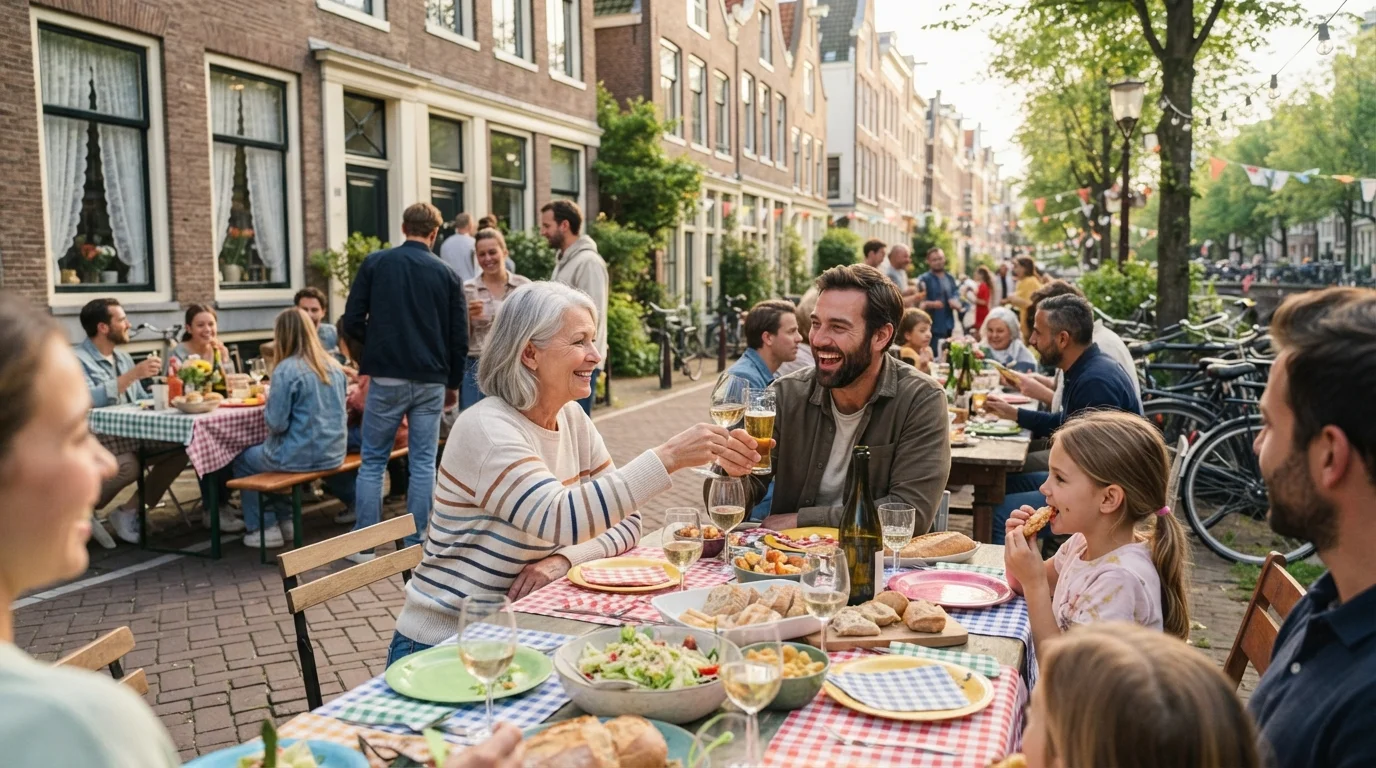
The Dutch 'Borrel' Etiquette: What to Expect at a Friday Afternoon Drink
It is Friday afternoon at 16:45. Keyboard clicking slows down, laptops begin to snap shut, and someone across the open-plan office calls out the...
Read more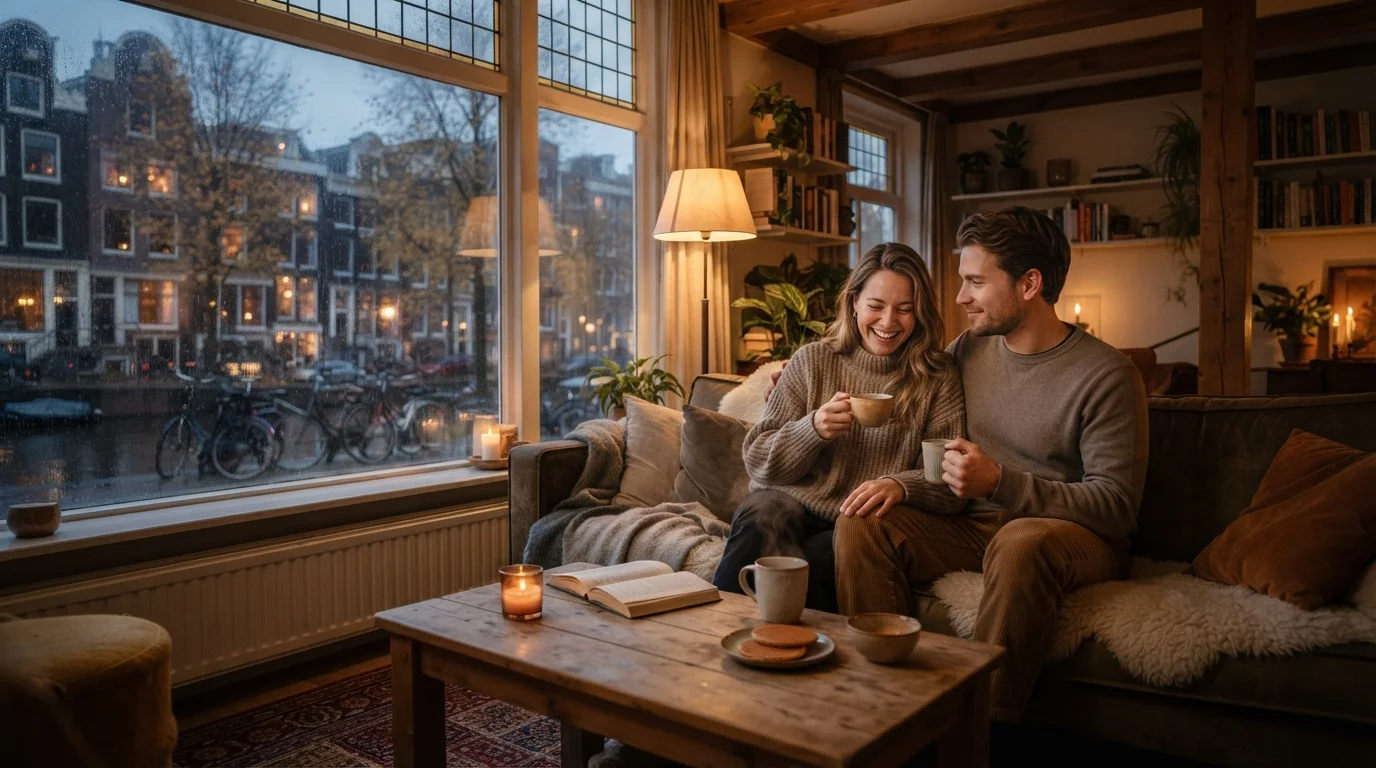
As September draws to a close, a dramatic shift occurs across the lowlands of the Netherlands. The long summer days fade, replaced by horizontal drizzle, grey overcast skies, and that relentless Dutch headwind known as tegenwind. For newcomers and expats, the arrival of autumn can feel like a test of endurance. Yet, if you ask any local, autumn is not a season of gloom—it is the official kickoff of gezelligheid season.
The untranslatable Dutch word gezellig is central to understanding life in the Netherlands. While summer brings bustling terraces and outdoor festivals, autumn is when Dutch culture retreats indoors and refines the art of coziness, social warmth, and comfort. In this guide, we will unpack the deep cultural meaning of gezelligheid, explore the sensory rituals of a Dutch autumn, and give you practical tools (and vocabulary!) to survive and thrive during the cozy season.
If you look up gezellig in a Dutch-English dictionary, you will usually find translations like 'cozy', 'quaint', 'convivial', or 'fun'. While accurate, none of these words fully captures the essence of the term. The cultural concept of gezelligheid is less about physical comfort and more about an emotional state shared between people and their environment.
The root of the word comes from gezel, an archaic Dutch term meaning 'companion' or 'fellow'. At its heart, gezelligheid requires a feeling of belonging, togetherness, and relaxed enjoyment. Unlike the Danish concept of hygge (which often emphasizes personal tranquility, wool blankets, and solo reflection), gezelligheid is fundamentally social. A room full of laughter, warm lighting, good food, and familiar company is the quintessential embodiment of the word.
It can describe:
Conversely, the Dutch despise feeling ongezellig. Calling someone ongezellig because they refuse to join an outing or choose to leave a party early is one of the mildest yet most effective social guilt-trips in Dutch culture.
To truly understand how the Dutch embrace autumn, you have to look at the rituals that transform cold, wet days into experiences of deep comfort. While early autumn transitions from traditions like Prinsjesdag traditions in September to darker October evenings, several sensory elements define the season:
Step inside a Dutch living room or a classic bruine kroeg (brown café) in autumn, and you will notice one universal rule: harsh overhead ceiling lights are strictly forbidden. The Dutch rely heavily on sfeerverlichting (mood lighting) and candles (kaarsen). Tea lights flicker in windowsills, floor lamps cast warm yellow hues into corners, and string lights brighten balcony railings. Soft, indirect lighting is the foundational canvas upon which all autumn gezelligheid is built.
Culinary habits in the Netherlands change rapidly when the temperature drops. Light salads and the classic Dutch borrel culture snacks of summer make room for hearty, soul-warming dishes:
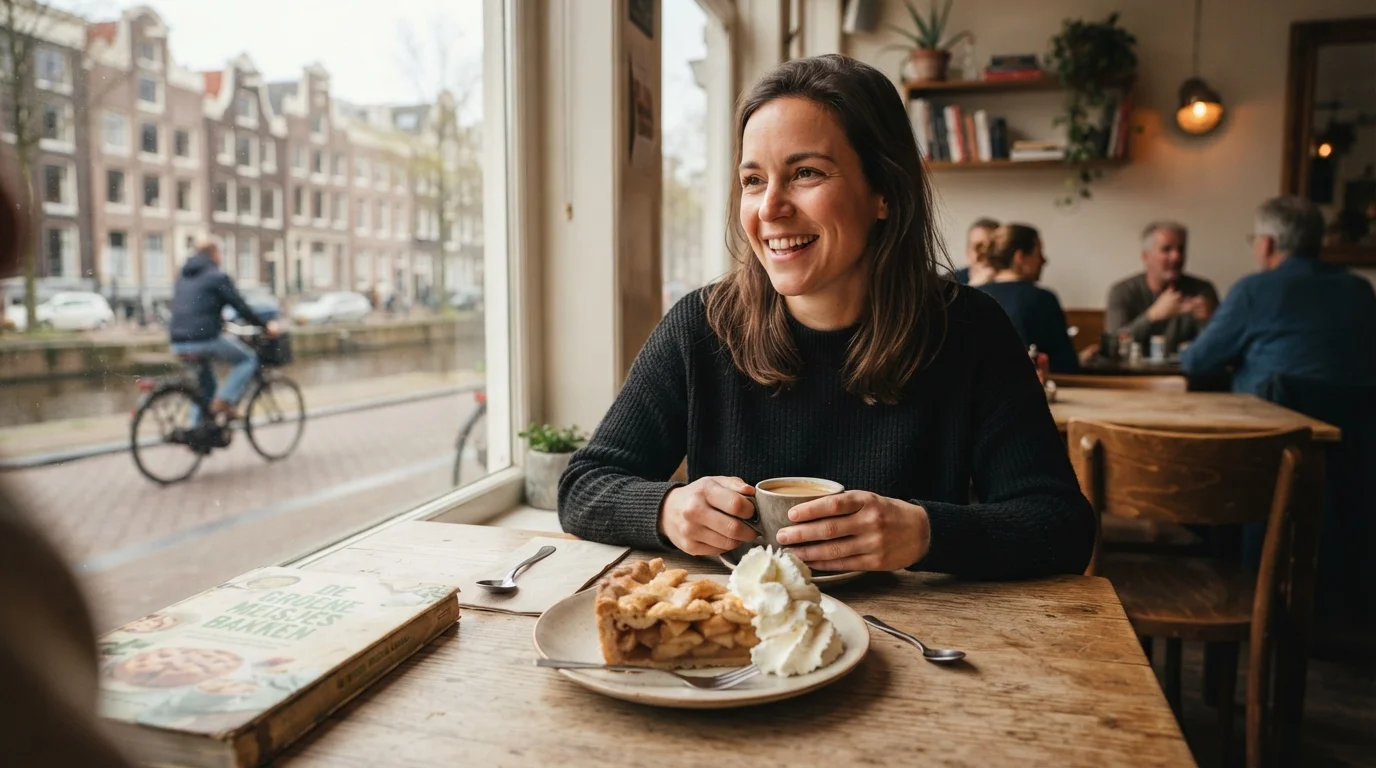
When the weather turns foul, the historic brown café becomes the heart of Dutch social life. Named for their nicotine-stained dark oak wood paneling, low ceilings, and Persian rugs on the tables, these traditional establishments are practically engineered for autumn. Locals gather to play board games, sip coffee, read newspapers, or catch up for hours without feeling rushed to vacate their seats.
Autumn in the Netherlands isn't just about hiding under a blanket; it features distinct cultural milestones that mark the march toward winter.
Before retreating indoors, the Dutch believe in the restorative power of uitwaaien (literally, 'out-blowing'). This practice involves taking a brisk walk along the North Sea beach or through a forest during windy or stormy weather. The physical battle against the elements is believed to clear the mind, refresh the lungs, and make the subsequent return to a warm living room infinitely more gezellig.
In mid-autumn, children across many Dutch provinces celebrate Sint-Maarten. Armed with homemade paper lanterns (lampions), kids go door-to-door singing traditional songs in exchange for candy and mandarins. It resembles Halloween in practice, but focuses on the saint’s generosity and community warmth rather than spooky thrills.
Shortly after Sint-Maarten comes the arrival of Sinterklaas in mid-November, kicking off the nationwide frenzy of spiced cookies (pepernoten and kruidnoten), chocolate letters, and rhyming poems that dominate early December.
To fully participate in autumn social rituals and succeed in integration exams (inburgeringsexamen), learning the vocabulary of comfort and connection is essential. Here are key words and phrases to weave into your daily conversations:
| Dutch Phrase | Pronunciation Guide | English Meaning / Usage |
|---|---|---|
| Wat gezellig! | vaht khuh-ZEL-ukh | How lovely! / How cozy! (Universal expression of approval) |
| Knus | knoos | Snug, quaint, compact coziness (focused on physical space) |
| Bijpraten | BY-prah-tuhn | To catch up on news / chat over coffee |
| Herfstdip | HEHRFST-dip | Autumn blues / seasonal slump |
| Regenkleding | RAY-khuhn-klay-ding | Waterproof rain gear for cycling |
| Guur weer | kheer wayr | Bleak, cold, and biting weather |
If you want to practice using these expressions naturally in everyday conversations, tools like the StroopTaal app provide interactive dialogue games and AI-powered conversation practice. You can role-play ordering a warm chocomel at an Amsterdam brown café or chatting about the weather with your Dutch neighbors, receiving instant pronunciation feedback to build real-world confidence.
Adopting the Dutch mindset turns autumn from a dreary obstacle into one of the most heartwarming times of the year. Here is how you can master the season:
The Dutch have a famous saying: "Je bent niet van suiker gemaakt" (You are not made of sugar—you won't melt in the rain). To live comfortably in the Netherlands, you must bike regardless of the weather. Invest in a breathable, high-quality rain suit (regenpak) and waterproof shoe covers. When you stop worrying about getting soaked, the rain loses its power over your mood.
Follow the local blueprint for indoor living:
Don't wait for invitations—create the gezelligheid yourself. Invite colleagues, classmates, or neighbors over for an evening of hot mulled wine (glühwein), cheese cubes with mustard, and board games. Understanding the subtleties of navigating traditional Dutch social gatherings will help you host with total confidence.
Take the train to Zandvoort, Scheveningen, or the dunes of Texel on a blustery Saturday. Walk briskly against the salty wind until your cheeks turn bright red, then head straight into a heated beach pavilion (strandpaviljoen) for hot pea soup or apple pie. Experiencing the harsh elements makes the indoor shelter feel twice as rewarding.
Small talk about the weather (het weer) is the ultimate Dutch icebreaker. Complaining gently about the rain ("Nou, wat een hondenweer vandaag!" - Well, what dog weather today!) at the bus stop or by the office coffee machine is an instant bonding ritual. Embracing these conversational rhythms bridges cultural divides effortlessly.
Autumn in the Netherlands does not mean retreating into isolation; it is an invitation to slow down, gather around warm tables, and find joy in simple companionship. By mastering the art of gezelligheid, embracing the brisk outdoors, and warming up your Dutch conversational skills, you will discover that the darkest months often bring out the brightest parts of Dutch life.
Ready to level up your Dutch vocabulary and cultural knowledge this season? Explore cultural lessons, grammar guides, and AI-powered conversation practice with StroopTaal. Start mastering everyday Dutch today!
Share this article:
It is Friday afternoon at 16:45. Keyboard clicking slows down, laptops begin to snap shut, and someone across the open-plan office calls out the...
Read moreMoving to the Netherlands as an expat or international resident comes with plenty of cultural discoveries—from navigating bike lanes in the pouring...
Read moreStep into any traditional Dutch café on a brisk afternoon, and you will almost certainly be greeted by a familiar, intoxicating aroma: warm...
Read more