Celebrating Sint-Maarten on November 11: Lantern Traditions and Songs in NL
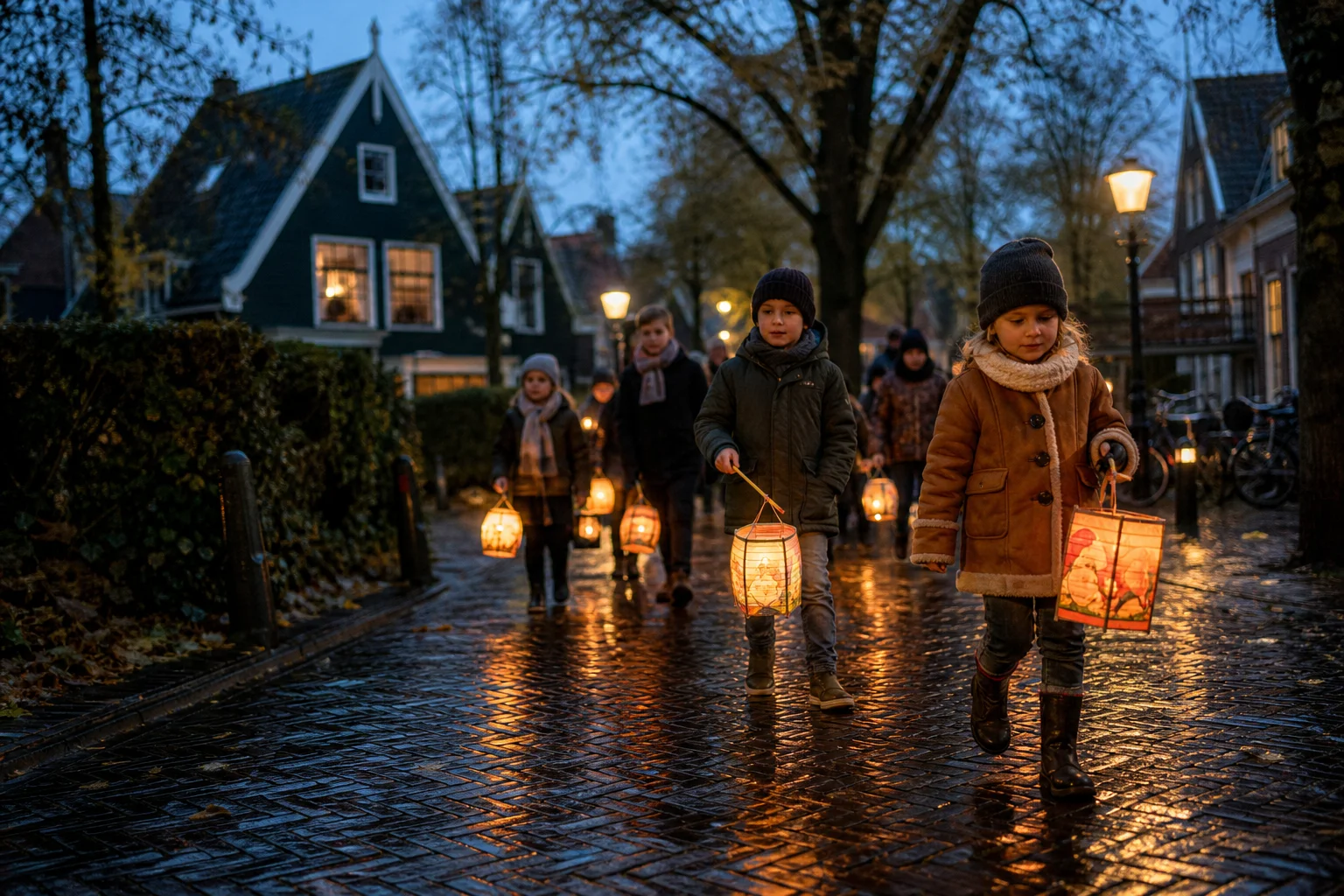
As the autumn chill settles over the Netherlands in early November, Dutch neighbourhoods prepare for one of the most charming folk traditions of the...
Read more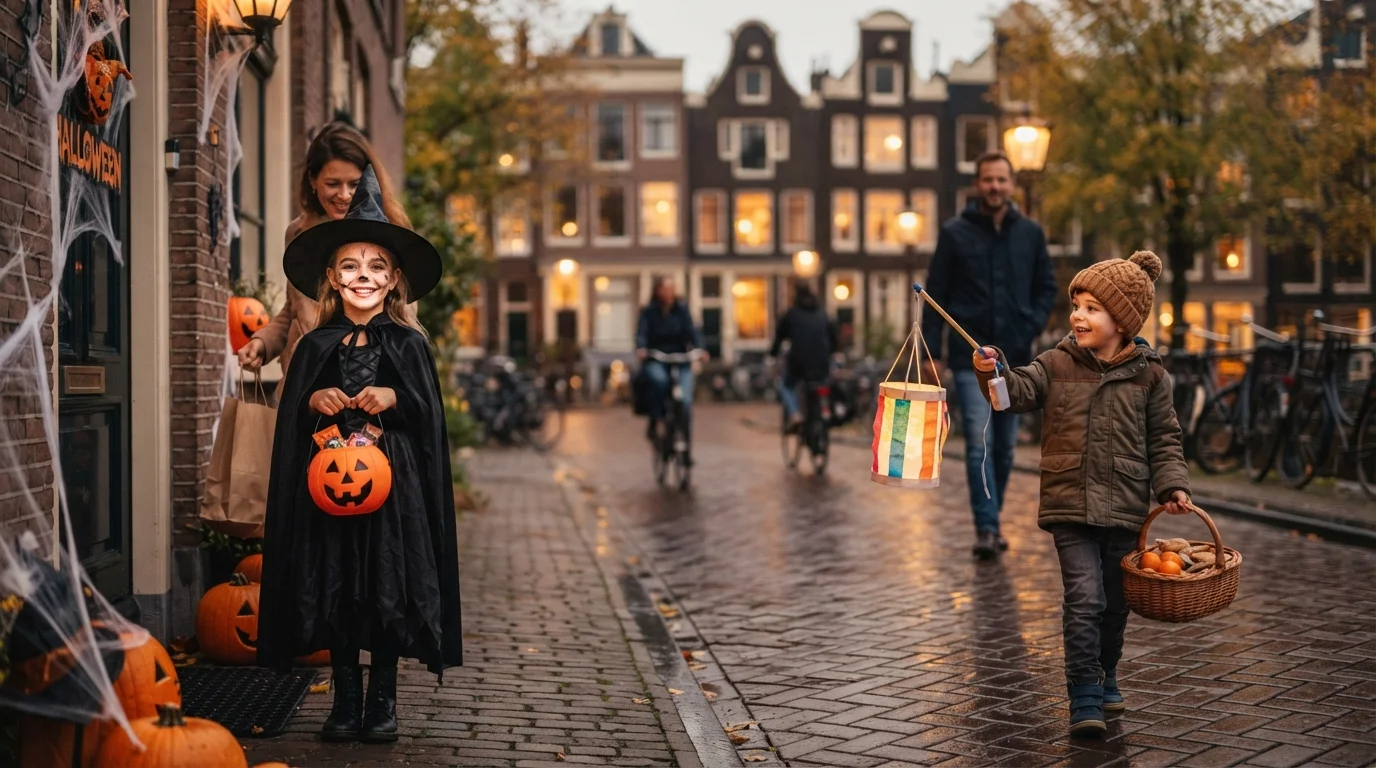
Picture this scenario: it is the evening of 31 October. You have stocked your hallway with giant bags of candy, carved an intricate jack-o'-lantern for your front steps, and put on a spooky soundtrack. Seven o'clock comes and goes, followed by eight o'clock. The doorbell never rings. Then, nearly two weeks later on the chilly evening of 11 November, just as you sit down for dinner, your bell chimes repeatedly. On your doorstep stands a flock of bundled-up primary school children holding glowing paper lanterns on plastic sticks, looking expectantly at you before bursting into an unfamiliar rhyming song.
If you are an expat or international resident in the Netherlands, this cultural mix-up is almost a rite of passage. While global commercial media might have you believe Halloween dominates every autumn calendar, the Dutch have their own centuries-old celebration: Sint-Maarten (Saint Martin's Day). Understanding how the Dutch navigate both festivities—and the etiquette that surrounds them—will help you avoid awkward neighborly moments and connect deeply with Dutch neighborhood life.
Over the last decade, Halloween (31 October) has gained visibility across the Netherlands, largely driven by streaming television, costume parties, retail promotions, and international schools. However, it has not replaced Sint-Maarten (11 November). Instead, the two coexist in an uneasy, slightly confusing compromise.
For most native Dutch families outside major international pockets, Sint-Maarten remains the authentic door-to-door children's tradition. Halloween is generally viewed as an imported theme evening for teenagers and young adults, or a localized novelty for specific neighborhoods. If you leave your porch lights blazing on 31 October expecting hordes of miniature witches and ghosts, you will likely end up eating all that candy yourself. But if you fail to buy treats before 11 November, you may find yourself frantically searching your pantry while a trio of seven-year-olds serenades you at the door.
The Dutch do celebrate Halloween, but it is not a traditional national holiday and remains largely an adult party theme or an organized novelty rather than an open door-to-door event. While younger generations and expat clusters embrace dressing up, most native households treat 31 October as an ordinary weekday evening. Asking whether people celebrate Halloween in the Netherlands usually yields two different answers depending on age: university students and clubgoers say yes enthusiastically, while families with young children in residential towns usually reserve their doorstep excitement for November instead.
Retail stores, supermarkets like Albert Heijn, and seasonal events have steadily boosted Halloween visibility over the past fifteen years. The festivities often coincide with or closely follow the Dutch school break known as the herfstvakantie autumn holiday, making it a popular week for theme parks and cinema horror screenings.
Halloween in the Netherlands is always on 31 October, matching the international date, though parties and festivals take place on whichever weekend falls closest to the end of the month. If 31 October lands mid-week on a Tuesday or Wednesday, commercial nightclub events and neighborhood costume walks almost always happen on the preceding Friday or Saturday night. Daytime school dress-up activities, if a school permits them at all, usually occur on the final Friday before October ends.
Modern Dutch Halloween traditions focus mainly on fright events, horror movie marathons, costume nightlife, and decorative autumn displays rather than residential trick-or-treating. Because the Netherlands does not have deep historical roots tied to All Hallows' Eve, the Dutch version has been imported directly from American pop culture and tailored to commercial entertainment.
The most recognizable Netherlands Halloween traditions include:
Celebrated annually on 11 November, Sint-Maarten commemorates Saint Martin of Tours. According to Catholic legend, while serving as a Roman soldier, Martin encountered a shivering, impoverished beggar at the gates of Amiens during a bitter winter storm. Having nothing else to give, Martin drew his sword, cut his military cloak in half, and handed one piece to the freezing man. Learn more about the historical background of the Sint-Maarten festival history.
Over centuries, this feast evolved from a harvest-end tradition—marking the slaughter of livestock and the storage of autumn crops—into a children's festival centered around generosity, sharing, and light entering the dark winter season. The modern celebration embodies the Dutch concept of community warmth, closely tied to understanding Dutch gezelligheid in autumn when days grow noticeably shorter and darker.
In the days leading up to 11 November, primary school children spend art classes crafting handmade lanterns (lampionnen). These colorful paper creations are traditionally illuminated by small battery-operated LED bulbs on plastic sticks (though older generations remember using real candles inside hollowed-out sugar beets or turnip shells).
Starting around dusk—usually between 17:30 and 18:00—children walk through their local streets in small groups, accompanied by parents who stand discreetly on the sidewalk. The children ring doorbells, wait for residents to open, and immediately perform a song in exchange for a treat (trakteren).
Children do not shout "trick or treat" on Sint-Maarten. Instead, they sing short, jaunty folk rhymes. The most common song you will hear across Dutch doorsteps is:
"Sint Maarten, Sint Maarten,
De koeien hebben staarten,
De meisjes hebben rokjes aan,
Daar komt Sint Martinus aan!"
(Saint Martin, Saint Martin, the cows have tails, the girls wear skirts, here comes Saint Martin!)
Another classic favorite focuses on the lantern itself:
"Elf november is de dag,
Dat mijn lampje, dat mijn lampje,
Elf november is de dag,
Dat mijn lampje branden mag!"
(The eleventh of November is the day that my little light is allowed to shine!)
If Sint-Maarten has the historical monopoly on door-to-door treats, where does Halloween fit into modern Dutch society?
Halloween on 31 October is primarily an adult and commercial affair. Nightclubs, university student associations, and bars host elaborate costume parties. Theme parks—most notably Walibi Holland with its famous Fright Nights—draw hundreds of thousands of thrill-seekers throughout October. Dutch cinema chains run horror marathons, and department stores sell pumpkin-themed decor.
Unlike the United States, Canada, or the UK, casual neighborhood trick-or-treating is rare in Dutch towns. The Dutch place a premium on privacy, quiet residential streets, and not disturbing neighbors uninvited. Trick-or-treating only occurs under specific, organized circumstances:
Trick or treat in the Netherlands is strictly an opt-in neighborhood activity rather than an open door-to-door free-for-all. Because Dutch culture places high value on domestic peace and privacy, children do not simply knock on random doors expecting sweets on 31 October. A proper Dutch trick or treat route is organized in advance via local WhatsApp groups, neighborhood apps like Nextdoor, or primary school parent committees.
In neighborhoods participating in Dutch trick or treat events, organizers publish a street map or circulate a printable window card. Children are told clearly: only ring bells where an orange window poster, a glowing carved pumpkin, or themed Halloween lights are prominently displayed. If a house is dark or displays no sign, walking up to the door is considered bad manners. The traditional phrase "trick or treat" is used in English by participating Dutch kids, though you may occasionally hear "snoep of je leven" (candy or your life!).
The core difference between Sint-Maarten and Halloween in the Netherlands is purpose, participation, and cultural heritage: Sint-Maarten is a centuries-old charitable tradition for primary school children carrying paper lanterns, while Halloween is an imported 21st-century holiday celebrated primarily through adult costumes and commercial attractions.
To understand the distinction instantly, contrast these key points:
Whether you want to participate enthusiastically or prefer an undisturbed evening, following local etiquette ensures positive relationships with your Dutch neighbors.
On 11 November, signaling participation is simple and cozy:
Dutch treat etiquette differs slightly from the sugar-heavy American tradition. Balance is key:
When the doorbell rings on 11 November, here is how the interaction unfolds:
One of the most surprising aspects of Dutch culture is how fragmented Sint-Maarten celebrations are geographically. Depending on which municipality you live in, the tradition might be massive, or it might not exist at all.
| Region / Province | Sint-Maarten Status | Local Notes |
|---|---|---|
| Groningen, Friesland, Drenthe | Very widespread | Nearly every neighborhood participates with huge turnouts. |
| Noord-Holland (excl. parts of Amsterdam) | Traditional stronghold | Centuries-old heritage in Alkmaar, West-Friesland, and Haarlem. |
| Utrecht & Gelderland | Active in many towns | Saint Martin is the patron saint of Utrecht city (featuring the Dom tower). |
| Zuid-Holland & Zeeland | Spotty or non-existent | Historically Protestant areas often skipped it; celebrated mainly in specific suburbs. |
| Limburg & North Brabant | Traditional variations | Often features a village bonfire (Sint-Maartensvuur) rather than house visits. |
If you are unsure whether your street participates, ask a neighbor a few days in advance: "Wordt Sint-Maarten hier in de straat gevierd?" (Is Sint-Maarten celebrated here on this street?). They will readily tell you whether to buy treats or save your money.
If you are preparing for your civic integration requirements, you will quickly discover that Dutch festivities are not merely trivial background information. The Kennis van de Nederlandse Maatschappij (KNM) examination tests your practical understanding of Dutch social norms, civic duties, public holidays, and neighborhood interactions. Questions frequently touch upon seasonal traditions, neighborly etiquette, and respecting community quiet hours.
Testing your grasp of these societal topics through a free KNM practice test will give you an immediate sense of how cultural conventions show up on real exam prompts. Being able to explain why a neighbor might light a candle on their doorstep on 11 November or knowing when children are likely ringing your bell reflects functional cultural literacy in the Netherlands.
If you find doorstep Dutch stressful, practicing short real-world conversations is the best antidote. With the StroopTaal app, you can use the AI conversation partner, Taalmaatje, to speak Dutch out loud in realistic simulation dialogues—such as chatting with a Dutch neighbor over the fence or responding naturally to everyday situations. Practicing these micro-interactions helps build vocal confidence long before the doorbell actually chimes.
To follow neighborhood chats and street posters comfortably, keep these essential terms in mind:
If you struggle to understand the rapid banter of parents and children standing at your threshold, developing your ear with real-world audio is crucial. Reviewing our guide on understanding spoken Dutch in real situations outlines practical ways to tune your listening skills to fast, informal Dutch speech patterns.
To navigate late autumn smoothly, keep this handy chronological checklist nearby:
Adjusting to Dutch autumn customs can feel strange if you grew up with high-energy Halloween block parties. Yet once you experience Sint-Maarten—the gentle glow of colorful paper lanterns moving down dark canals, children practicing age-old songs, and the cozy warmth of neighborly exchange—it quickly becomes one of the most heartwarming celebrations of life in the Netherlands.
Whether you are settling into your first rental home or preparing systematically for your integration milestones, learning the customs and conversational Dutch that accompany daily life makes every season more rewarding. Open your door, listen to the children sing their chorus about cows and lanterns, offer a treat with a warm smile, and enjoy the distinct charm of Dutch autumn.
Rules, fees and dates change. Check the current version on the official pages before you act.
Share this article:
As the autumn chill settles over the Netherlands in early November, Dutch neighbourhoods prepare for one of the most charming folk traditions of the...
Read moreAs October arrives in the Netherlands, the countryside transforms into a mosaic of amber and crimson, the wind off the North Sea takes on a crisp...
Read moreYou have just arrived at the office on a Thursday morning when a colleague asks if you are joining the team for drinks on Friday afternoon. Or...
Read more