Expat Guide to the Dutch Sinterklaas Arrival (Intocht)
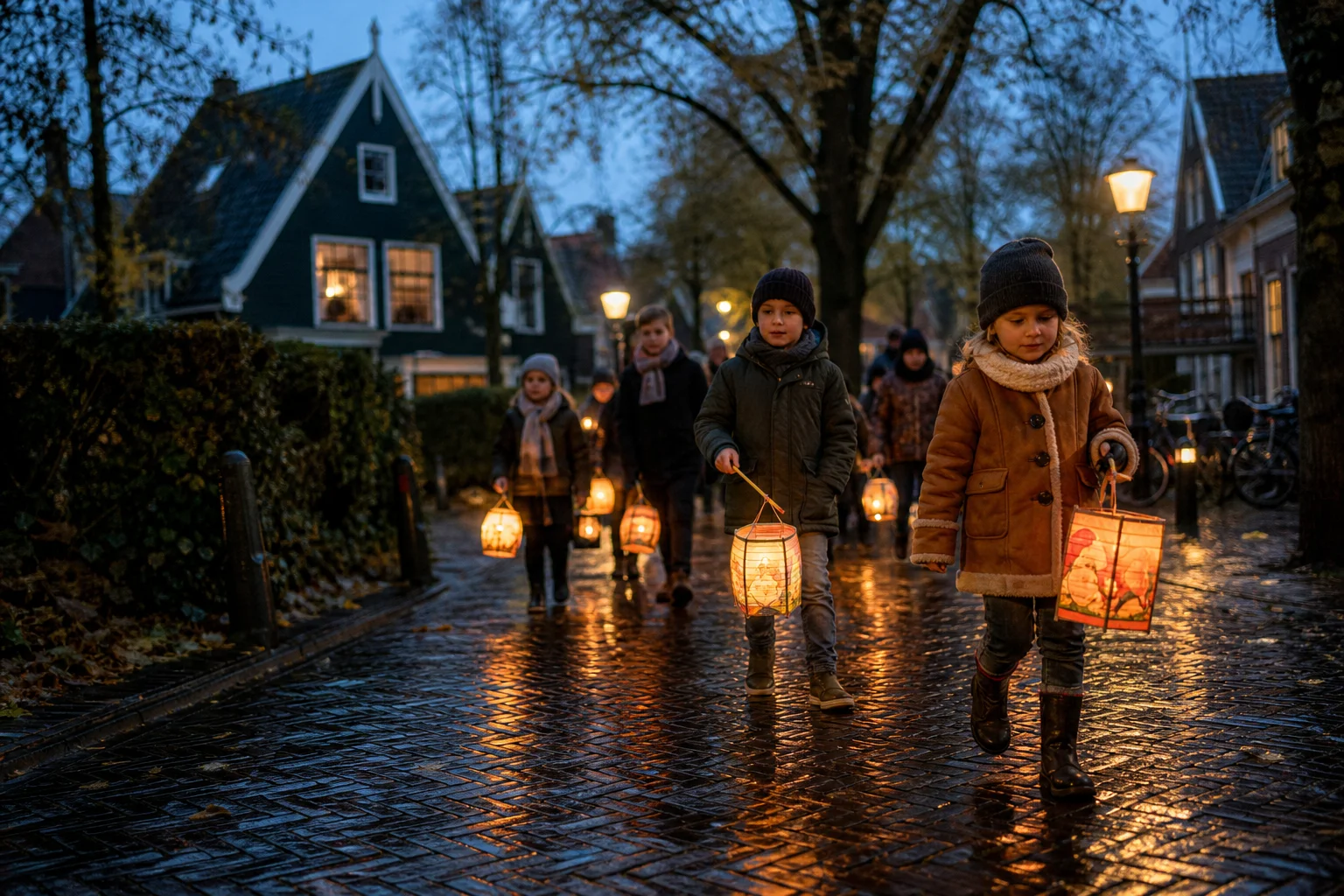
If you have recently moved to the Netherlands, mid-November brings a sudden, unmistakable shift to city streets, canal bridges, and supermarket...
Read more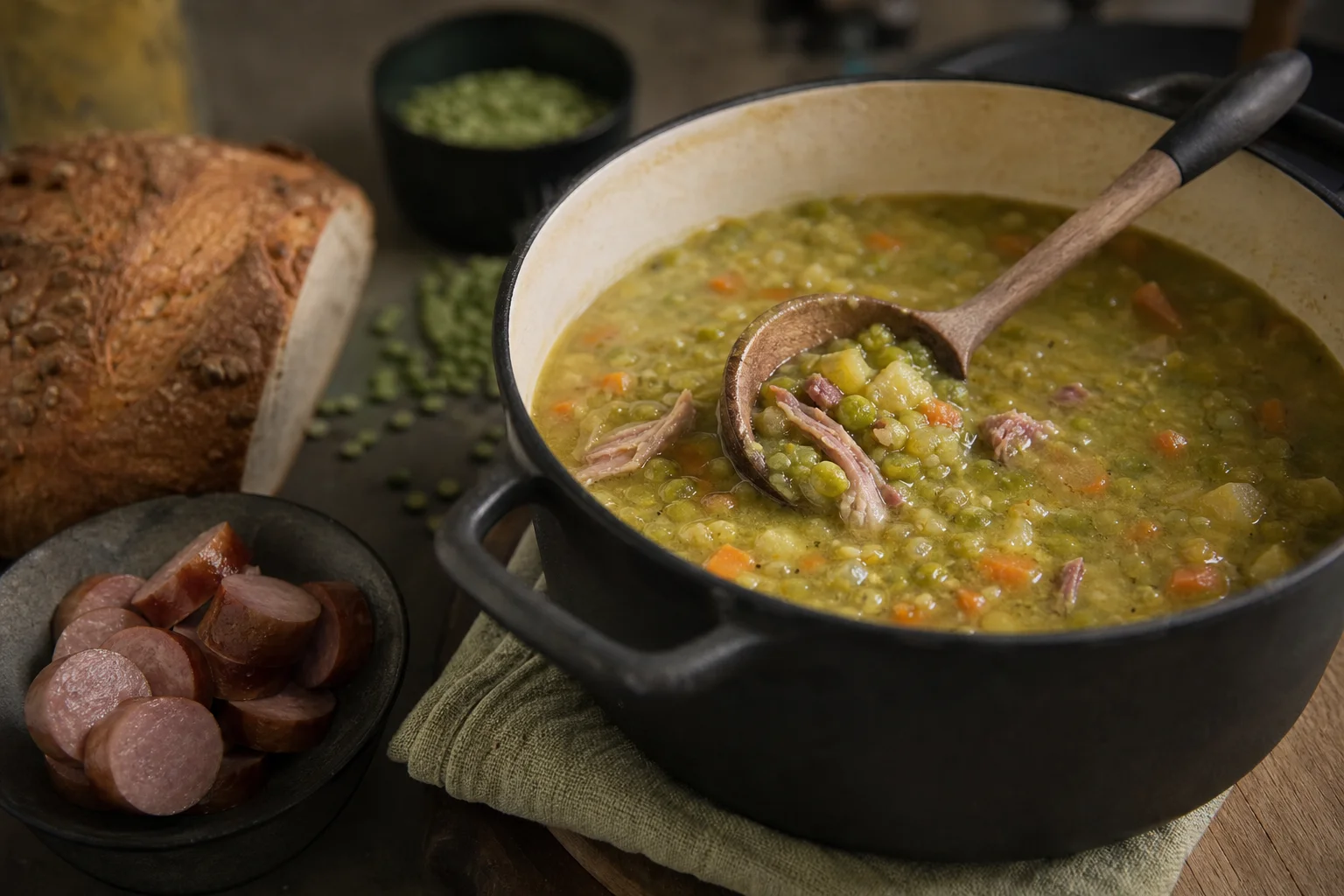
When November rolls in and the Netherlands transforms into a canvas of overcast skies, misty mornings, and persistent rain, the Dutch embrace a specific survival mechanism: comfort food. Few culinary traditions represent Dutch winter culture as completely as a steaming bowl of erwtensoep (split pea soup), affectionately and colloquially known across the country as snert.
For expats, international professionals, and language learners living in the Netherlands, cooking snert is more than just making dinner. It is an annual rite of passage. Stepping out of a relentless headwind (tegenwind) on your bicycle and walking into a home filled with the rich, smoky aroma of simmering celeriac, pork belly, and split peas is the absolute peak of the quintessential Dutch concept of gezelligheid. In this comprehensive guide, we explore the origins of this hearty dish, the subtle distinction between erwtensoep and snert, the traditional cooking method, essential Dutch culinary vocabulary, and how food traditions fit into life and integration in the Netherlands.
If you listen closely to conversations at Dutch dinner tables, butchers, or market stalls, you will hear both terms used interchangeably. However, purists and culinary historians will gladly point out an important technical distinction.
Erwtensoep is the general Dutch word for pea soup. Technically speaking, any soup made predominantly from split peas (spliterwten) can be called erwtensoep, even when it is still relatively thin on the afternoon it was cooked. Snert, on the other hand, is the crowning achievement of the dish. True snert must meet two non-negotiable criteria:
While pea soup variations appear in cuisines across northern Europe—from Scandinavia to the British Isles—the Dutch version is uniquely dense, transforming what elsewhere might be a starter into a self-contained, calorie-dense main meal designed to sustain physical labour in freezing temperatures.
To understand why snert holds such a revered place in Dutch culture, one must look at Dutch winters of centuries past. Long before heated trams and insulated raincoats, the canals and lakes of the Low Countries froze solid during severe winters. Frozen waterways became the primary highways for commuting, transporting goods, and socialising on ice skates.
Along these frozen canals, temporary wooden stalls called koek en zopie booths sprang up to cater to skaters. Originally selling alcoholic warm punches (zopie, often made with bock beer or jenever, eggs, and spices), these stalls gradually shifted in the twentieth century toward non-alcoholic warmth: hot chocolate (warme chocolademelk) and thick, steaming mugs of snert. Even today, whenever a deep freeze arrives and natural ice (natuurijs) forms, pop-up stalls appear offering snert to ice skaters wearing woolly beanies and gloves.
Beyond the ice, understanding seasonal traditions is a vital part of Dutch social life. For newcomers preparing for civic integration, Dutch food habits, winter festivals, and seasonal rhythms regularly appear in daily conversations, community interactions, and cultural knowledge assessments. If you are preparing for your integration pathway, testing your everyday cultural knowledge with a free KNM practice test can help you feel more confident about questions surrounding Dutch customs, society, and domestic life.
A classic Dutch erwtensoep relies on humble, unpretentious ingredients that celebrate root vegetables and traditional cuts of cured and fresh pork. While every family boasts its own heirloom twist, an authentic recipe requires specific core elements that you can easily find at your local slager (butcher) and supermarkt.
Traditional snert is intentionally rich, drawing deep flavour from cuts that contain both bone and gelatin:
A Dutch bowl of snert is traditionally accompanied by dark Frisian rye bread (Fries roggebrood) topped with thick slices of katenspek (cooked and lightly smoked bacon) and spicy Dutch mustard (mosterd).
Making erwtensoep is a slow, meditative process. It is best prepared on a quiet Sunday afternoon when you have time to let the pot simmer gently on the back of the stove.
Rinse your 500 grams of green split peas under cold running water in a colander until the water runs clear. In a large, heavy-bottomed stockpot (at least 5 to 6 litres in capacity), combine the split peas, 2 litres of cold water, the pork ribs (krabbetjes), and the pork belly (speklapjes). Place the pot over medium-high heat and bring it slowly to a gentle boil.
As the water reaches a boil, a greyish foam will rise to the surface. This is protein releasing from the meat and legumes. Use a slotted spoon or skimmer (schuimspaan) to carefully skim off this surface foam. Removing the foam produces a cleaner taste and clearer broth. Once skimmed, drop in the bay leaves and 1 teaspoon of salt, reduce the heat to low, cover with a lid slightly ajar, and let it simmer gently for about 60 to 75 minutes. Stir occasionally to ensure the split peas do not stick to the bottom of the pot.
After an hour of simmering, the split peas will begin to disintegrate, and the pork should be tender. Using tongs, carefully lift out the pork ribs and pork belly onto a cutting board. Allow them to cool slightly. Strip the tender pork meat away from the rib bones and discard the bones. Dice the cooked pork and pork belly into bite-sized pieces and return the meat to the pot along with the diced smoked bacon lardons.
Now add your diced celeriac, chopped carrots, floury potatoes, and sliced leeks to the pot. Stir thoroughly. If the soup looks too thick at this stage, add an additional 250 to 500 ml of water. Allow the soup to simmer gently over low heat for another 45 to 60 minutes, stirring every 10 to 15 minutes. As the potatoes and root vegetables soften, use a wooden spoon or potato masher against the side of the pot to crush some of the vegetable chunks, contributing to the soup's thick consistency.
About 15 minutes before the end of cooking, stir in the finely chopped fresh leaf celery (bladselderij). Place the whole rookworst directly on top of the simmering soup so it heats through gently in the steam without bursting its casing. Season generously with freshly ground black pepper and taste before adding extra salt, as the bacon and smoked sausage will have already imparted saltiness.
Remove the heated rookworst to a cutting board, slice it into 1-centimetre rounds, and return the slices to the pot. If serving immediately, ladle into deep bowls and serve with buttered rye bread and katenspek. However, if you want true snert, let the pot cool completely to room temperature, transfer it to the fridge overnight, and gently reheat it the following day over low heat, stirring regularly so it does not scorch. You will find that the flavours have intensified dramatically.
While traditionalists insist that bone-in pork is non-negotiable, modern Dutch dietary habits have evolved. Vegetarian erwtensoep (vegetarische erwtensoep) is widely eaten in the Netherlands today. To achieve authentic body and smoky depth without meat:
To explore more about how the Dutch celebrate cold months with seasonal stews, mashed vegetable dishes, and winter produce, take a look at our broader guide to Dutch winter comfort foods.
Cooking traditional recipes is one of the most practical and enjoyable ways to expand your Dutch vocabulary. When shopping at the supermarket or navigating local butchers and greengrocers, knowing culinary terms helps you read packaging, spot seasonal ingredients, and follow authentic Dutch recipe books.
| Dutch Term | English Meaning | Example in Context |
|---|---|---|
| Spliterwten | Split peas | Spoel de spliterwten goed af met koud water. |
| Knolselderij | Celeriac / celery root | Snijd de knolselderij in kleine blokjes. |
| Winterpeen | Winter carrot (large) | Een winterpeen geeft de soep een zoete smaak. |
| Afschuimen | To skim foam | Vergeet niet om de soep regelmatig af te schuimen. |
| Sudderen | To simmer gently | Laat de soep minstens twee uur zachtjes sudderen. |
| Rookworst | Smoked sausage | Snijd de rookworst in dunne plakjes. |
| Roggebrood | Rye bread | Serveer de snert met roggebrood en katenspek. |
Whenever you shop in a Dutch supermarket or read a local recipe card, you will encounter words and compound nouns you might not see in standard grammar textbooks. If you use the StroopTaal language learning app, you can take advantage of the Premium photo and document word scanning feature: simply snap a photo of any recipe, supermarket packaging, or butcher's sign with your phone to extract unfamiliar Dutch words instantly and save them directly to your personal review deck.
Practising your Dutch through hands-on activities like cooking reinforces vocabulary in a memorable context. StroopTaal's spaced-repetition flashcards and daily bite-sized lessons (available for iOS and Android) ensure that food words, kitchen verbs, and everyday conversational phrases resurface just as you are about to forget them, helping you transition from reading recipes to ordering comfortably at your neighbourhood butcher.
If you are cooking erwtensoep for the first time in a Dutch grocery store, keep an eye out for seasonal convenience items:
Mastering a pot of homemade snert is one of the most satisfying cultural milestones for anyone living in the Netherlands. It transforms a dark, rainy winter day into an occasion for gathering friends around a warm stove, sharing hearty bowls of soup, and practicing Dutch around the table.
Whether you follow the multi-generation family technique using pork hock or prefer a modern plant-based twist with vegetarian rookworst, let the pot simmer slowly, do not skip the overnight rest, and make sure that spoon stands proud and upright before serving. Eet smakelijk!
Rules, fees and dates change. Check the current version on the official pages before you act.
Share this article:
If you have recently moved to the Netherlands, mid-November brings a sudden, unmistakable shift to city streets, canal bridges, and supermarket...
Read moreAs the autumn chill settles over the Netherlands in early November, Dutch neighbourhoods prepare for one of the most charming folk traditions of the...
Read morePicture this scenario: it is the evening of 31 October. You have stocked your hallway with giant bags of candy, carved an intricate jack-o'-lantern...
Read more