
Making Friends with Dutch Neighbors: The Ultimate Expat Guide
Moving to the Netherlands is an exhilarating adventure. You have sorted out your BSN, navigated the housing market, and finally unpacked your boxes....
Read more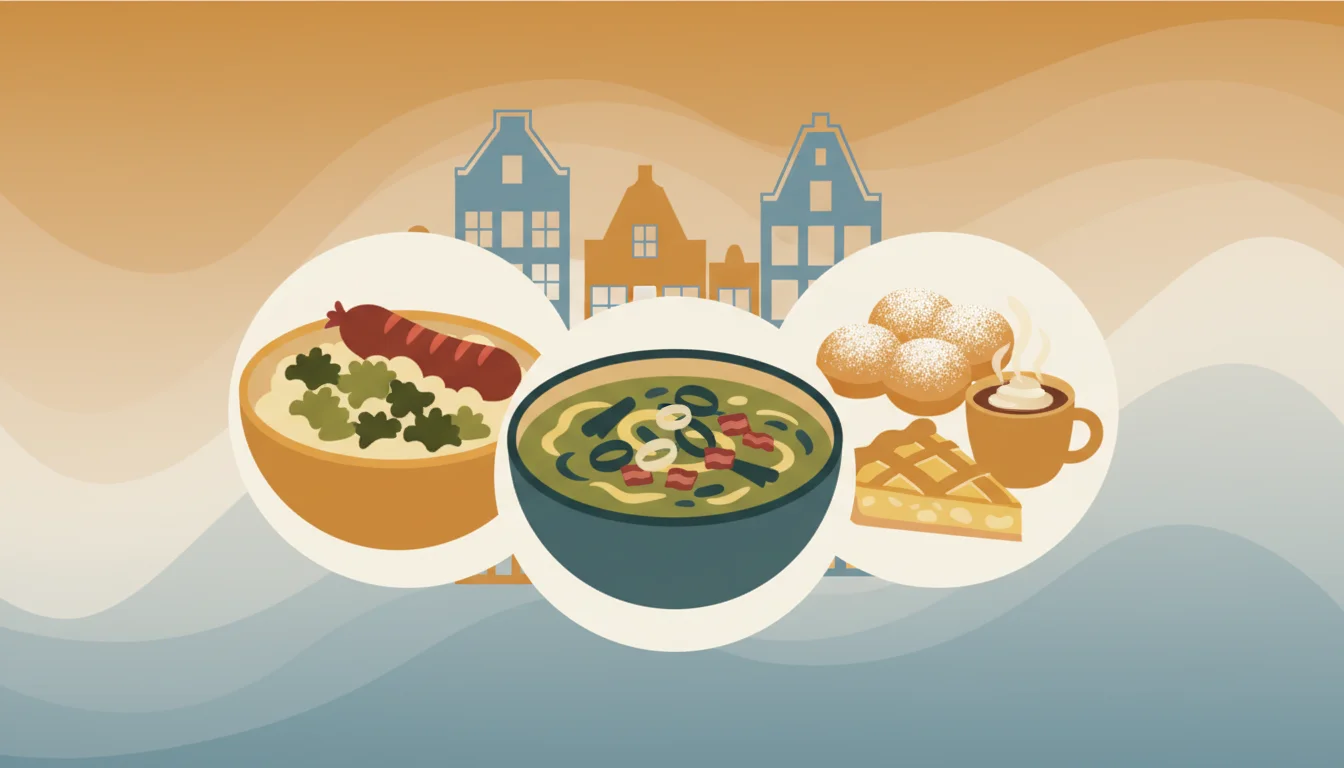
If you have spent more than a few days in the Netherlands during the winter months, you know the drill: short days, grey skies, and a damp chill that seems to seep right through your coat. But don't let the koud (cold) get you down! The Dutch have perfected the art of counteracting the gloomy weather with two essential ingredients: gezelligheid (coziness) and hearty, rib-sticking comfort food.
For expats and Dutch learners, understanding the winter cuisine is about more than just filling your stomach; it is a gateway into Dutch culture and history. Whether you are studying for your Inburgering exam or simply trying to impress your Dutch friends, knowing your way around a plate of stamppot is essential.
In this guide, we will explore the culinary staples that keep the Netherlands running when the temperature drops, along with the essential vocabulary you need to order or cook them yourself.
You cannot talk about Dutch cuisine without starting with the undisputed king of winter dinners: Stamppot. Literally translating to "mash pot," this is a no-nonsense, utilitarian dish that perfectly reflects the pragmatic Dutch character.
At its core, stamppot consists of mashed potatoes mixed with one or more vegetables, usually served with a large rookworst (smoked sausage) and a divot of gravy (kuiltje jus) in the middle.
Language Tip: Want to practice the pronunciation of Boerenkool or Rookworst? The StroopTaal app offers pronunciation training with instant feedback, so you won't get a confused look from the greengrocer when you're shopping for ingredients.
If stamppot is the king, Erwtensoep is the queen. Also affectionately known as Snert, this is a split pea soup so thick that, according to tradition, a spoon placed upright in the center should remain standing.
Real Dutch pea soup is not a light appetizer; it is a meal. It is packed with split peas, celeriac, leeks, carrots, and pork (often chops, bacon, or sausage). It is traditionally best eaten a day after it is made, allowing the flavors to meld and the soup to thicken further.
Cultural Insight: You will often see Koek-en-zopie stands near ice skating rinks (or frozen canals, if we are lucky) selling cups of hot snert. It is the ultimate fuel for skaters.
For those who prefer meat over mash, there is Hachee. This is a traditional Dutch stew based on diced beef, onions, and acid (usually vinegar or wine), along with cloves and bay leaves. The acid helps tenderize the meat during the long, slow cooking process.
The smell of Hachee simmering on the stove is the definition of olfactory gezelligheid. It is typically served with—you guessed it—boiled potatoes or red cabbage with apples (rode kool met appeltjes).
Dutch winter food isn't just about savory mashes. As the days get shorter, the sweets get better.
Leading up to Pakjesavond, the shelves are filled with spiced treats:
As December closes, mobile bakery stands appear selling Oliebollen (oil spheres). These are deep-fried dough balls, sometimes with raisins, dusted generously with powdered sugar. They are essentially the ancestors of the donut and are traditionally eaten at midnight on New Year's Eve.
Preparing for your Inburgering exam involves knowing about Dutch Society (KNM), and food is a big part of that. Here are some words to add to your vocabulary list:
Learning the names of foods is one thing, but using them in conversation is another. Can you ask a waiter if the soup contains gluten? Can you tell your Dutch mother-in-law that her Hutspot is delicious?
This is where StroopTaal comes in. Our app doesn't just give you flashcards; it provides:
Dutch winter cuisine might not be the most refined in the world, but it is exactly what you need to get through the dark, wet months. It is honest, filling, and warms you from the inside out. So, next time the rain is lashing against your window, don't despair. Mash some potatoes, warm up a rookworst, and embrace the season.
Ready to improve your Dutch while you cook? Mastering polite requests will help you navigate any Dutch dinner party with ease. Download StroopTaal today and start your personalized learning plan!
Share this article:
Moving to the Netherlands is an exhilarating adventure. You have sorted out your BSN, navigated the housing market, and finally unpacked your boxes....
Read moreIf you have recently moved to the Netherlands, you have likely heard the whispers. Other expats might have warned you with a look of terror in their...
Read moreFrom Business Suits to Bananas: Welcome to the Madness If you live in the Netherlands, you might know the Dutch as organized, punctual, and generally...
Read more