Why Dutch Love Caravan Holidays: Summer Culture Explained
If you have ever driven down the Autoroute du Soleil in France or navigated a highway in Germany during July or August, you have undoubtedly...
Read more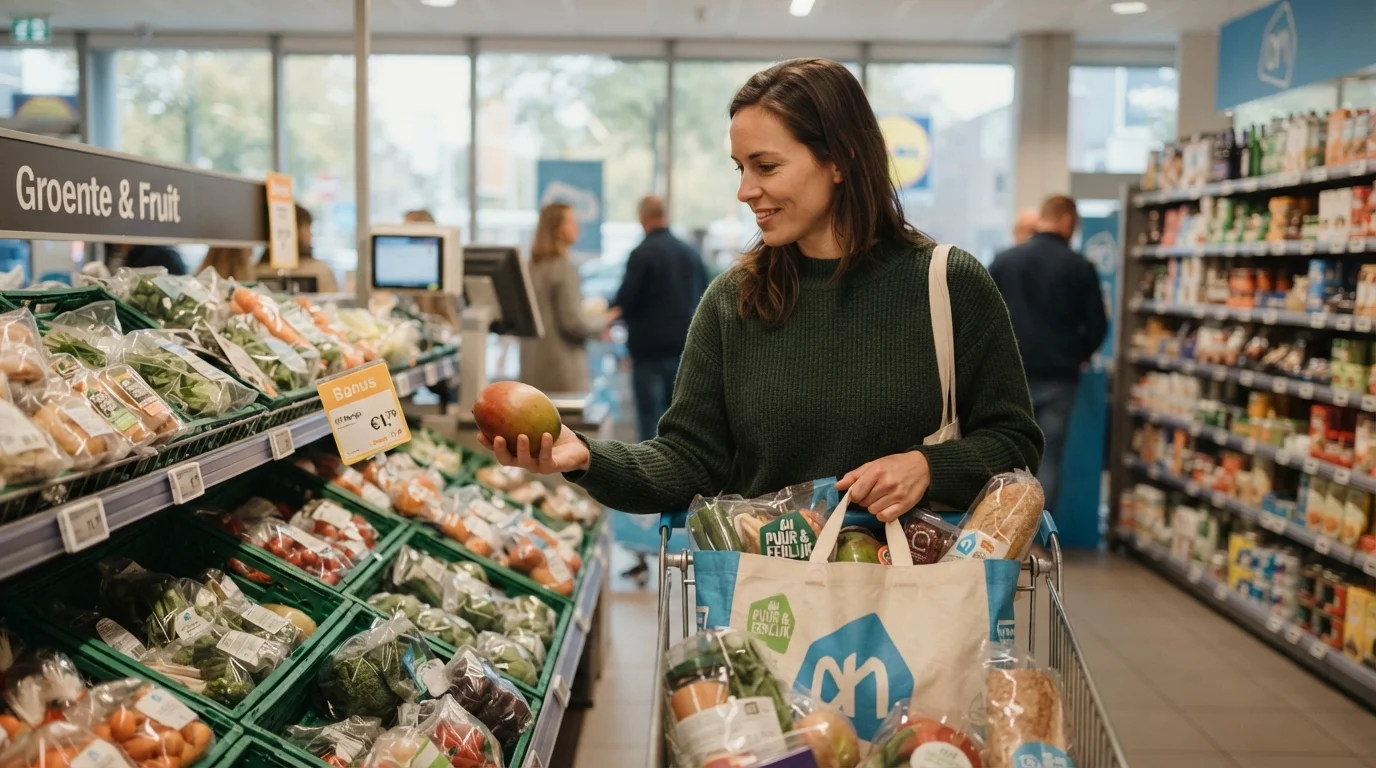
Moving to the Netherlands is an exciting adventure, but stepping into a Dutch supermarket for the first time can be a surprising experience. Between understanding new brand names, decoding unfamiliar grocery labels, and navigating checkout etiquette, your weekly shop can quickly become overwhelming—and expensive! In a country famous for thriftiness (op de kleintjes letten), knowing how to navigate grocery aisles efficiently is practically a national pastime.
Whether you are an expat newly settled in Amsterdam, a student in Utrecht, or preparing for your civic integration exam (inburgeringsexamen), learning the secrets of Dutch supermarkets will save you hundreds of euros each year. Two stores dominate the daily lives of residents: Albert Heijn (affectionately known as 'Appie') and Lidl. While Albert Heijn is celebrated for convenience and product variety, Lidl is renowned for high-quality produce at rock-bottom prices. In this comprehensive guide, we will unpack insider tips, secret discount mechanisms, and essential Dutch language phrases to help you shop like a seasoned local.
Albert Heijn is the largest supermarket chain in the Netherlands, recognized by its bright blue logo. It is often perceived as higher-end, but with the right strategies, you can shop at Albert Heijn without blowing your monthly budget.
If you shop at Albert Heijn without a Bonuskaart, you are voluntarily paying extra. The Bonuskaart unlocks weekly discounts (Bonusaanbiedingen). There are two types of cards:
One of Albert Heijn's best-kept secrets is its sticker discount system. Items nearing their expiration date (often bakery goods, fresh meat, ready meals, and dairy) receive bright orange stickers labeled 35% korting (35% discount) or 50% korting. These stickers are usually applied early in the morning. Look for dedicated discount shelves in the fresh meat and cold cut sections.
Similar to food-waste reduction apps like Too Good To Go, Albert Heijn offers Overblijvers directly within their official mobile app. You can reserve bags of surplus food (such as baked goods, vegetarian items, or general groceries) at a fraction of their original retail value—often receiving €15 to €20 worth of food for just €4 or €5.
Albert Heijn structures its product line into clear pricing tiers:
An Albert Heijn discount card is the free Bonuskaart, which you scan at checkout to receive the supermarket's weekly Bonus discounts. You can use an anonymized physical card or create a digital personal card in the Albert Heijn app.
The card itself does not reduce every product's price: it applies to products marked as Bonusaanbieding. Check the weekly offers before shopping, and remember that a personal digital card can also show selected Mijn Bonus Box offers. At the checkout, scan the card or app before paying so the eligible discounts are included.
Bonuskaart, AH Bonus Card, and AH discount usually refer to the same Albert Heijn loyalty-card system and the discounts it unlocks. Bonuskaart is the Dutch name; “AH Bonus Card” is the English description, while “AH discount” means the reduced price shown for a Bonus offer.
You do not need a paid membership to use the Bonuskaart. Pick up the physical card at the customer service desk or use the digital version in the Albert Heijn app. Always look for the word Bonus and the offer dates on shelf labels, because the discount applies only during the stated promotion period.
Lidl has repeatedly won awards for the best fresh produce department in the Netherlands. For expats looking to stretch their income, Lidl is an absolute powerhouse. However, navigating Lidl requires a slightly different approach than traditional supermarkets.
Lidl’s in-store bakery is legendary in the Netherlands. Fresh croissants, krentenbollen (raisin rolls), traditional Dutch breads, and warm savory snacks are baked throughout the day at prices significantly lower than dedicated bakeries or competitor stores.
Just like Albert Heijn, Lidl relies heavily on its digital loyalty program, Lidl Plus. By scanning your app at the register, you unlock access to:
Lidl rotates thematic sales weekly. You will frequently find special promotions such as XXL Week (bulk sizes for reduced prices), Italian Week, Asian Week, or Iberian Week. These events provide fantastic opportunities to stock up on pantry staples like olive oil, pasta, spices, and canned goods at rock-bottom prices.
Lidl’s middle aisles feature rotating non-food items, ranging from kitchen appliances and work clothing to gardening tools and cycling accessories. Items left over from previous weeks are marked down heavily with green or orange clearance tags, offering up to 70% off retail pricing.
Shopping becomes much smoother—and far less stressful—when you understand key Dutch terms used in promotional signs, product tags, and checkout interactions. Here is your ultimate Dutch supermarket cheat sheet:
1+1 gratis means “buy one, get one free”: you take two qualifying products and pay for only one. The offer normally applies to identical products or products within the promotion, so check the shelf sign for its exact conditions.
For example, if one bottle costs €3 and the sign says 1+1 gratis, two bottles cost €3 rather than €6. The discount is usually applied automatically when the products are scanned, but check your receipt before leaving. Other Dutch promotions use terms such as 2+1 gratis, meaning three items for the price of two; do not buy more than you can use simply because the unit price is lower.
If you want to feel confident conversing at the checkout counter or reading product ingredient lists without relying constantly on translation apps, deliberate practice is key. Using StroopTaal's spaced-repetition vocabulary builder alongside interactive daily lessons helps you master Dutch grocery vocabulary quickly. With StroopTaal's real-life AI dialogue games, practicing scenarios like asking a clerk where to find oat milk or requesting a receipt becomes natural and enjoyable.
Shopping in the Netherlands involves a few cultural norms and environmental systems that catch many newcomers off guard. Understanding these rules prevents awkward moments at the till and keeps money in your pocket.
The Netherlands takes recycling seriously. When you purchase plastic drink bottles, glass beer bottles, or aluminum cans, you pay a small deposit called statiegeld. You can verify regulations and national environmental policies via official sources such as Government.nl.
Never throw these away! Bring them back to the automated machine (emballage machine or fles-inname) located near the entrance of most supermarkets. The machine prints a voucher (statiegeldbon) that you hand to the cashier to deduct the total from your bill or receive cash back.
Plastic bags are not given out for free in Dutch stores. Cashiers will expect you to unpack your cart, pack your reusable tote bag (shopper), and pay efficiently. Keep a folded tote bag in your backpack or purse so you never need to purchase a €0.60 plastic bag at checkout.
The Netherlands is largely a cashless society. Many smaller supermarket branches or specific lane registers are strictly marked Pin Only. Ensure you carry a debit card or phone with contactless payment enabled (Maestro, V-Pay, Debit Mastercard, or Visa Debit are widely accepted).
If you love hosting friends over the weekend, food expenses can quickly stack up. However, adopting local habits makes entertaining incredibly affordable. By buying house-brand cheeses, nuts, and dips, you can easily set up an authentic evening spread without overspending. Read our complete guide to Dutch borrel culture to discover cheap, popular snacks that locals bring to social gatherings. You can also sample delicious local produce by learning more about traditional Dutch foods available in seasonal supermarket aisles.
To get the absolute best value out of Dutch supermarkets, adopt a hybrid shopping routine used by savvy expats and locals alike:
Navigating supermarkets in the Netherlands doesn't have to break the bank or cause daily anxiety. By combining Lidl's low prices on fresh staples with Albert Heijn's strategic Bonuskaart discounts, you can enjoy high-quality meals while keeping your monthly expenses under control.Remember that integrating into Dutch life goes hand in hand with learning the language. Recognizing promotional terms, understanding cashier questions, and navigating store signs quickly builds real-world confidence. Start practicing practical Dutch conversations today with StroopTaal, and turn every trip to the grocery store into a rewarding learning opportunity!
Share this article:
If you have ever driven down the Autoroute du Soleil in France or navigated a highway in Germany during July or August, you have undoubtedly...
Read moreStep Right Up: Discovering the Magic of the Dutch Kermis If you wander into almost any Dutch city, town, or village during late summer, you might be...
Read moreAs the warm days of July and August fade into crisp late-summer afternoons, the Netherlands doesn't put away its party hats. In fact, September and...
Read more