Why Do the Dutch Love 'Borrelen'? A Guide to Summer Borrel Culture
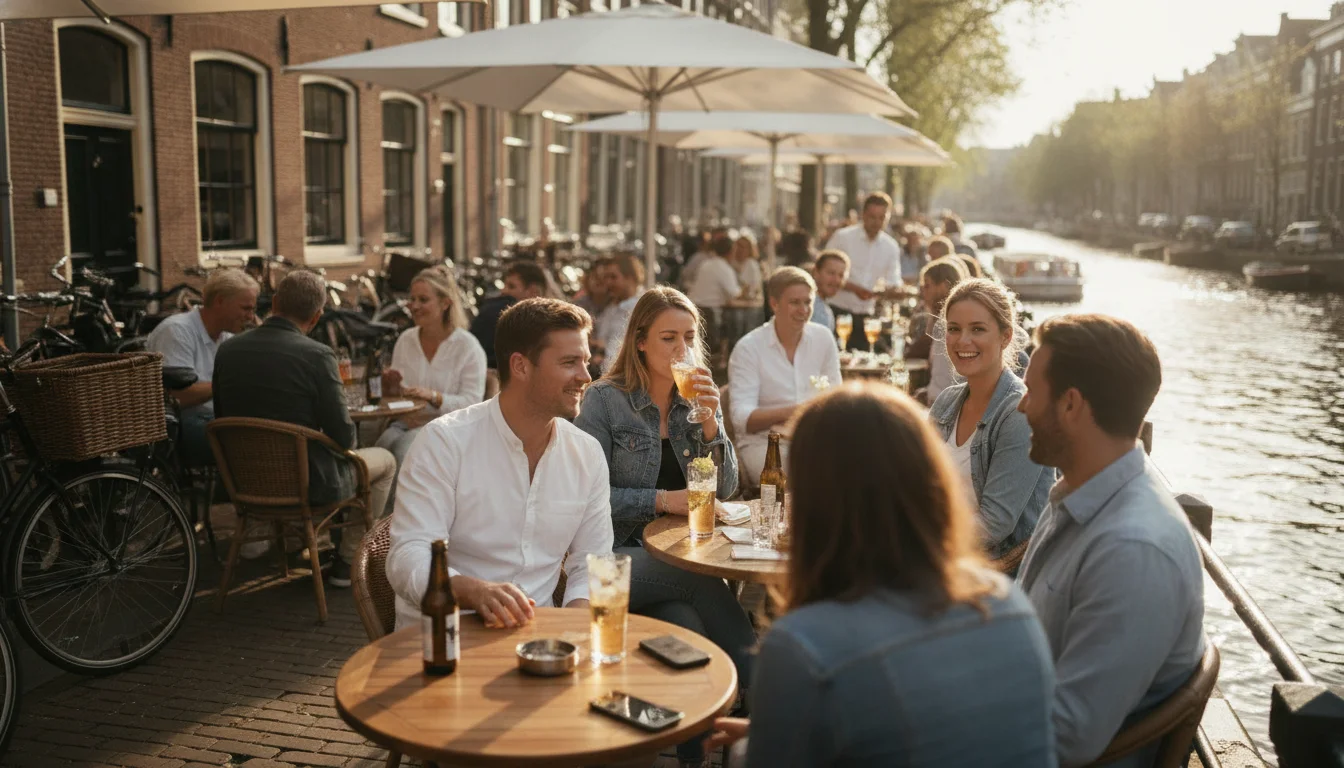
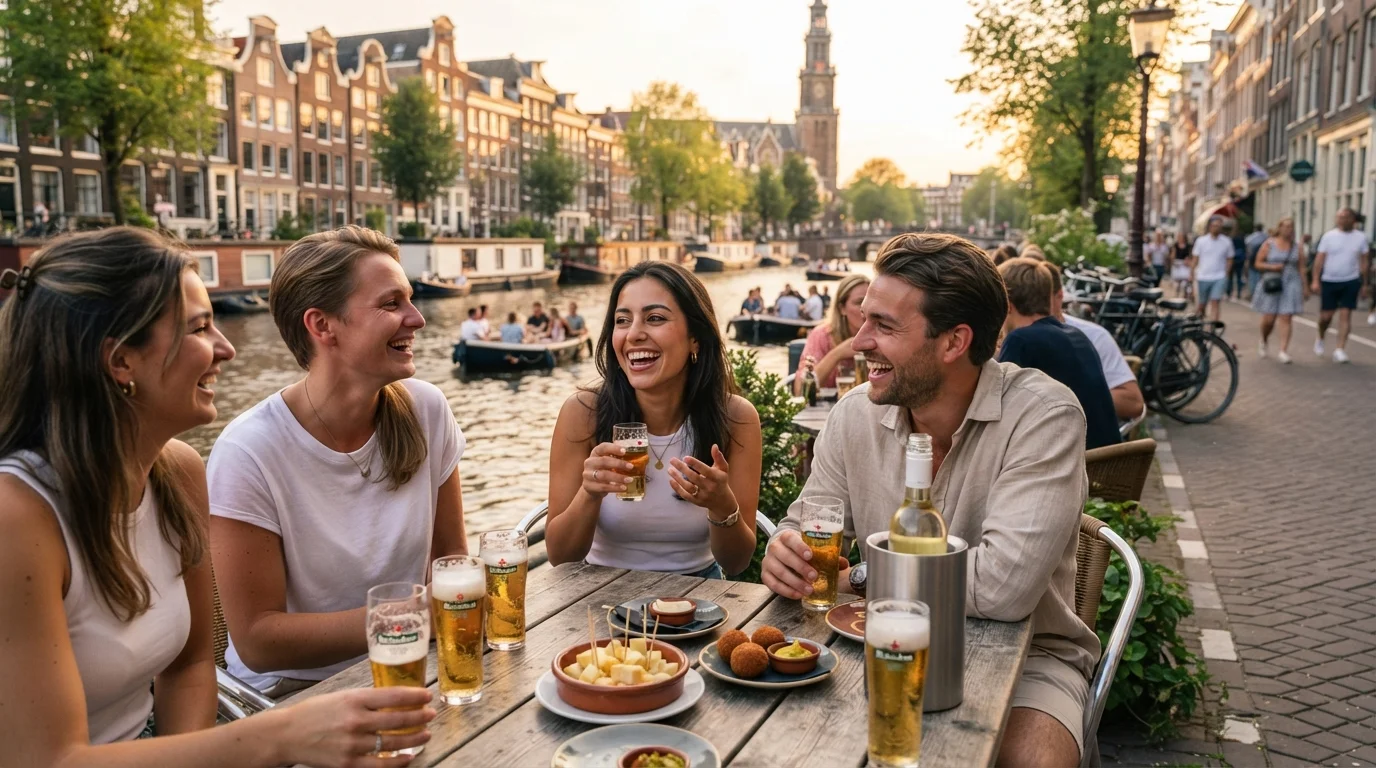
Introduction: The Magic of the Dutch Summer Afternoon Imagine this: It is a warm Friday afternoon in July. The sun is shining bright over the canals...
Read more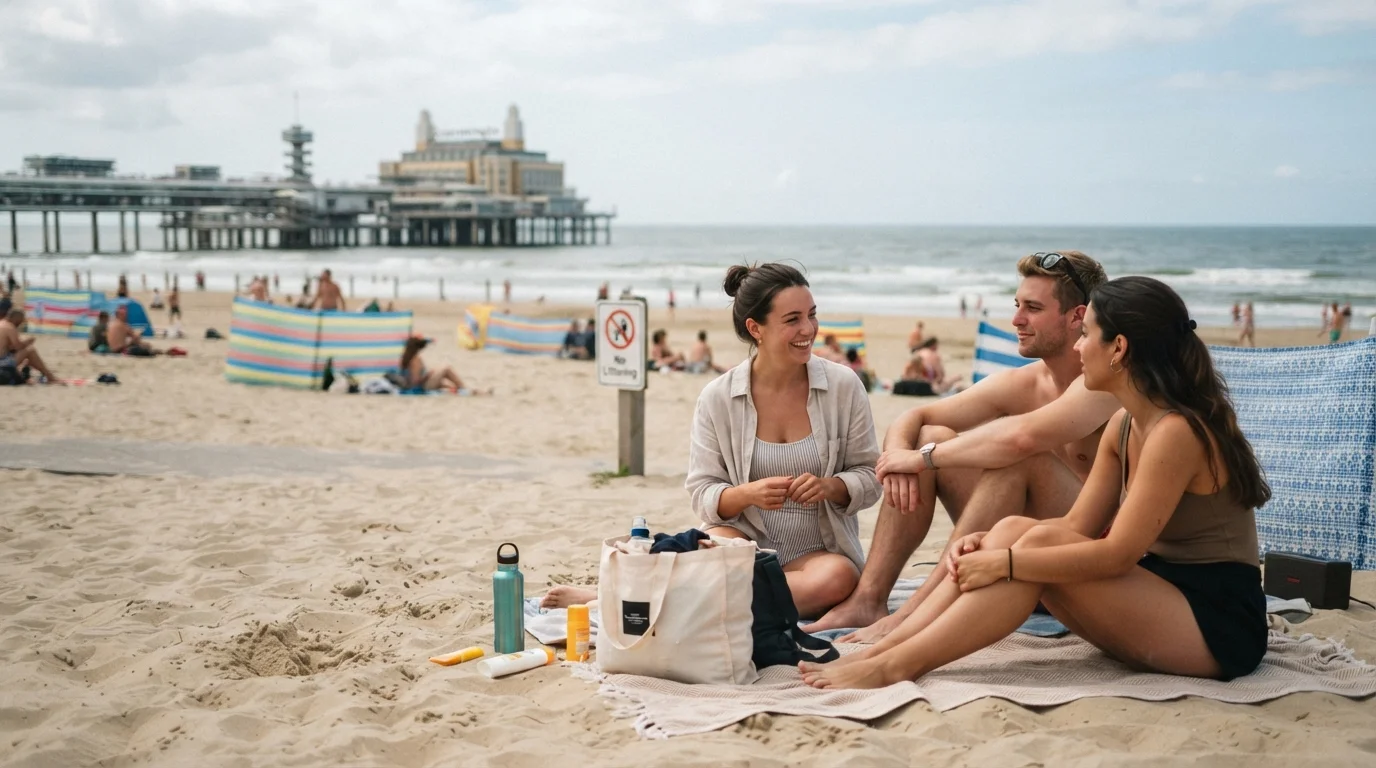
As the temperatures rise and the rare Dutch sun makes its glorious appearance, there is one destination that calls to almost everyone in the Netherlands: Scheveningen. Located just a stone's throw from the heart of The Hague, Scheveningen is the country's most famous seaside resort. With its historic Kurhaus hotel, bustling pier, and miles of sandy shoreline, it is a rite of passage for every international resident.
However, visiting a Dutch beach is not just about throwing on a swimsuit and laying down a towel. The Dutch have a unique, highly organized, and deeply ingrained beach culture. From how you travel to the coast to where you set up your windbreak, understanding Dutch beach etiquette is essential to fitting in and enjoying your day like a local. In this comprehensive guide, we will walk you through everything you need to know about visiting Scheveningen, complete with practical tips, safety warnings, and essential Dutch vocabulary.
Ask any local, and they will tell you the same thing: never drive to Scheveningen on a hot summer day. The roads leading to the beach become notorious bottlenecks, and parking fees in the coastal garages can easily cost you a small fortune. If you do choose to drive, you might spend hours in gridlock only to find all parking spaces fully occupied.
Instead, embrace the Dutch way of traveling. The public transport system in The Hague is highly efficient and drops you right at the beach. You can easily catch Tram 1 or Tram 9 from Den Haag Centraal or Den Haag Hollands Spoor stations. Alternatively, you can hop on a bicycle. Cycling through the beautiful Schevenijnse Bosjes (Scheveningen Woods) is a scenic and active way to start your beach day.
If you are traveling from another city, you can use your transit time wisely. Utilizing micro-learning habits for expats on your train ride can help you brush up on your Dutch coastal vocabulary before you even catch sight of the sea.
The North Sea coast is notoriously windy. Even on a warm day, a gusty breeze can send sand flying into your eyes, your book, and your fresh herring. This is why the windscherm (windbreak) is an absolute staple of Dutch beach culture.
When you arrive at the beach, you will see rows of colorful fabric barriers staked into the sand. If you plan on visiting the beach regularly, investing in a cheap windbreak from a local store like HEMA or Action is highly recommended. However, there is a strict code of etiquette when setting one up:
One of the most unique aspects of the Dutch seaside is the abundance of strandtenten (beach pavilions). These are temporary restaurants, bars, and clubs erected directly on the sand in early spring and dismantled in late autumn. They range from bohemian chill-out spots to high-end dining establishments.
When visiting a strandtent in Scheveningen, keep these cultural norms in mind:
If you want to build the confidence to order effortlessly, practicing with top apps to practice Dutch pronunciation and speaking can give you the linguistic tools you need to sound natural and relaxed when speaking to the beach staff.
The North Sea is beautiful, but it can also be highly unpredictable and dangerous. Scheveningen beach is patrolled by the Hagenees Reddingsbrigade (lifeguards). It is absolutely crucial to understand the safety flags flying along the coast:
One of the biggest hazards along the Dutch coast is the muistroom (rip current). These are powerful, narrow channels of fast-moving water that flow from the shore back out to the deep sea, often forming between sandbars or near the stone piers (golfbrekers). If you get caught in a rip current, do not try to swim directly back to the shore against the current. You will quickly exhaust yourself. Instead, swim parallel to the shoreline until you are out of the current, and then swim back to land at an angle.
The Dutch take great pride in keeping their public spaces clean, and Scheveningen is no exception. You will find large trash cans (afvalbakken) placed at regular intervals all along the beach, often decorated with fun, colorful designs to encourage people to use them.
Leaving trash on the beach is not only frowned upon but can also result in heavy fines. When you leave, make sure to collect all your plastic bottles, food wrappers, and cigarette butts. If the nearest bin is full, carry your trash with you until you find another one. Keeping the beach clean ensures that everyone can enjoy the beautiful coastal nature of the Scheveningen coast for years to come.
To make your trip to Scheveningen truly authentic, try incorporating some of these essential Dutch beach terms into your vocabulary. Learning these words is a great way to engage with the culture and feel more at home in your new country.
| Dutch Word | English Translation |
|---|---|
| Het strand | The beach |
| De zee | The sea / ocean |
| De strandtent | The beach pavilion / restaurant |
| Het windscherm | The windbreak |
| De handdoek | The towel |
| De zonnebrandcrème | The sunscreen |
| De muistroom | The rip current |
By integrating these terms into your daily practice, you will build a solid foundation. If you enjoy learning languages through interactive and engaging methods, exploring gamified language learning features can make memorizing coastal vocabulary and grammar structures feel like a breeze rather than a chore.
Visiting Scheveningen is one of the joys of living in the Netherlands. By respecting the local etiquette—choosing public transport, giving your neighbors space, understanding the safety flags, and keeping the sand clean—you will ensure a fantastic, stress-free day by the sea. Embracing these small cultural nuances is a key step in your journey to fully integrating into Dutch society.
If you want to feel even more confident during your Dutch adventures, why not take your language skills to the next level? The StroopTaal app offers highly personalized AI-powered learning plans, real-life conversation practice, and fun interactive dialogue games specifically designed to help expats master Dutch for real-world scenarios. Whether you are ordering a cold drink at a strandtent or preparing for your integration exams, StroopTaal is your perfect pocket companion. Download StroopTaal today and start speaking Dutch with confidence!
Share this article:
Introduction: The Magic of the Dutch Summer Afternoon Imagine this: It is a warm Friday afternoon in July. The sun is shining bright over the canals...
Read moreImagine sitting in a lush Dutch park or on a canal-side deck at 10:30 PM. The sky isn't dark; instead, it is painted in deep shades of violet, amber,...
Read moreIntroduction: The Magic of the First Sunbeams If you have spent even a single week in the Netherlands during the warmer months, you have likely...
Read more