Dutch Beach Etiquette: Scheveningen Guide for Expats
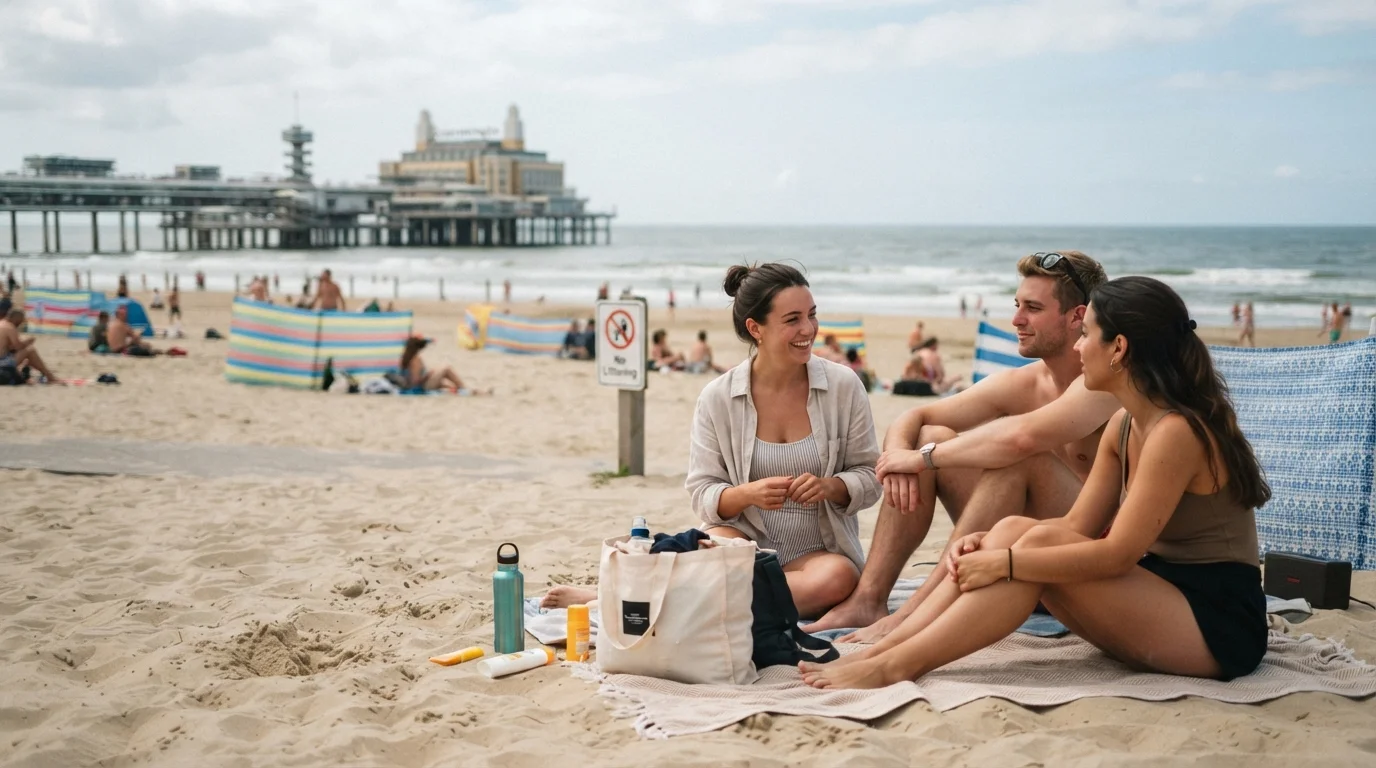
As the temperatures rise and the rare Dutch sun makes its glorious appearance, there is one destination that calls to almost everyone in the...
Read more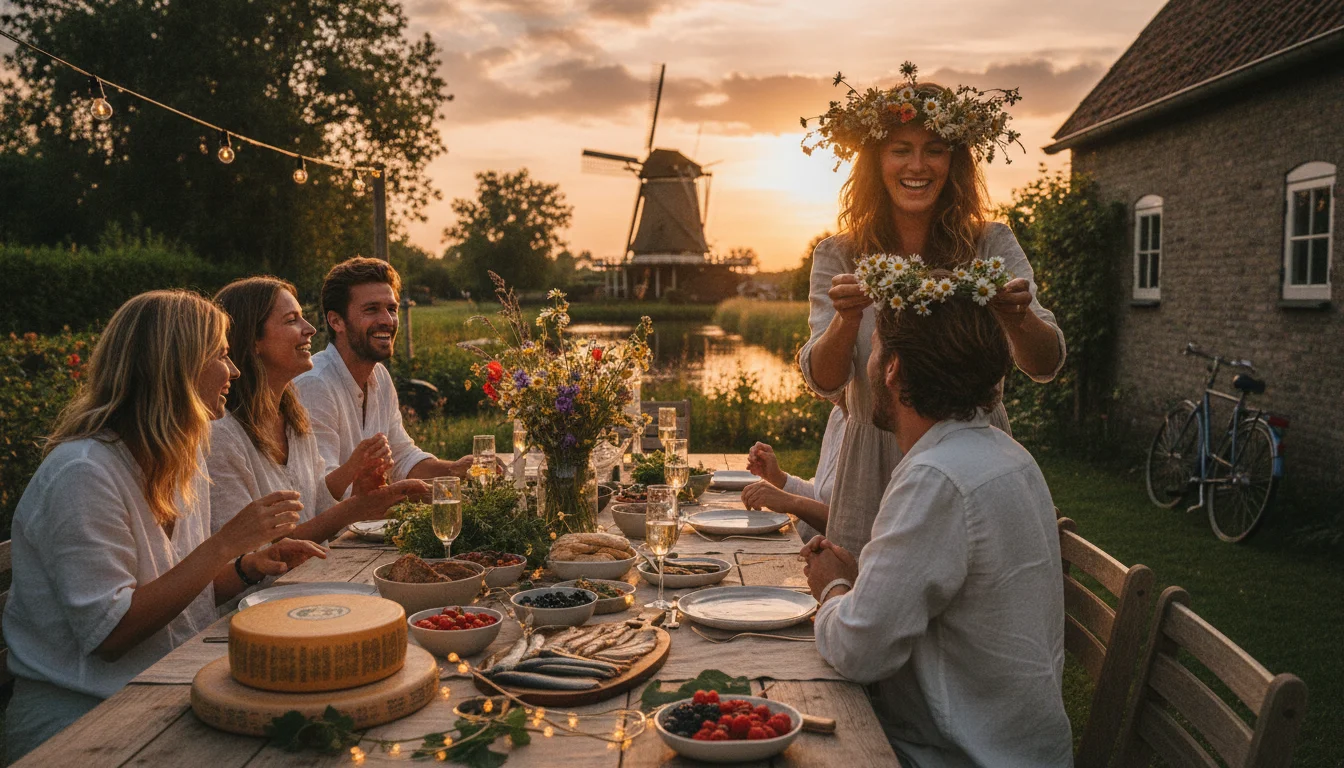
Imagine sitting in a lush Dutch park or on a canal-side deck at 10:30 PM. The sky isn't dark; instead, it is painted in deep shades of violet, amber, and indigo. The air is warm, filled with the gentle hum of laughter, clinking glasses, and the rustle of summer leaves. This is the magic of Midzomeravond (Midsummer's Eve) in the Netherlands. While the Dutch may not celebrate the summer solstice with the same wild, folklore-heavy intensity as their Scandinavian neighbors, the longest day of the year holds a special, understated place in Dutch culture.
For expats, language learners, and anyone preparing for their Dutch integration exams, understanding seasonal celebrations like Midzomeravond is a fantastic gateway to deeper cultural integration. It goes beyond simple vocabulary; it is about grasping the collective Dutch psyche, which thrives on outdoor life, community, and the cherished concept of gezelligheid (coziness) once the long, dark winter months are finally behind them.
In this comprehensive guide, we will explore the historical roots of Midzomeravond, how the Dutch celebrate the summer solstice today, essential vocabulary to boost your Dutch language skills, and practical tips to help you experience this magical season like a local.
To truly appreciate Midzomeravond, we must travel back in time. Long before the arrival of Christianity, the Germanic tribes inhabiting the Low Countries celebrated the summer solstice (de zomerzonnewende). For these agricultural societies, the sun was a source of life, fertility, and protection. The solstice marked the peak of the sun's power, a brief moment of triumph before the days began to shorten once more.
Traditional Midsummer traditions involved lighting massive bonfires on hills or along riverbanks. These fires served a dual purpose: they were meant to give strength to the sun and to ward off evil spirits, crop failures, and plagues. People would dance around the flames, and brave young souls would leap through the fire to secure good luck, health, and fertility for the coming harvest.
With the spread of Christianity, these deeply ingrained pagan rituals were adapted rather than erased. The Catholic Church aligned the summer solstice celebrations with the feast day of Saint John the Baptist on June 24th. Thus, Midzomer became known in the Netherlands as Sint-Jansfeest (St. John's Feast), and the traditional bonfires were rebranded as Sint-Jansvuren (St. John's fires). You can learn more about how this transition occurred across Europe by reading about the history of Saint John's Eve.
Over the centuries, as the Netherlands became increasingly secularized and urbanized, many of these overt folklore traditions faded from the mainstream. However, the spirit of celebrating the peak of summer remained firmly rooted in the Dutch lifestyle.
Today, you won't find many Dutch people wearing flower crowns and dancing around maypoles in the center of Amsterdam. Instead, modern Midzomeravond celebrations are characterized by a collective, relaxed embrace of the outdoors. The Dutch are famous for their love of daylight, and when the sun lingers until nearly 11:00 PM, they make every single minute count.
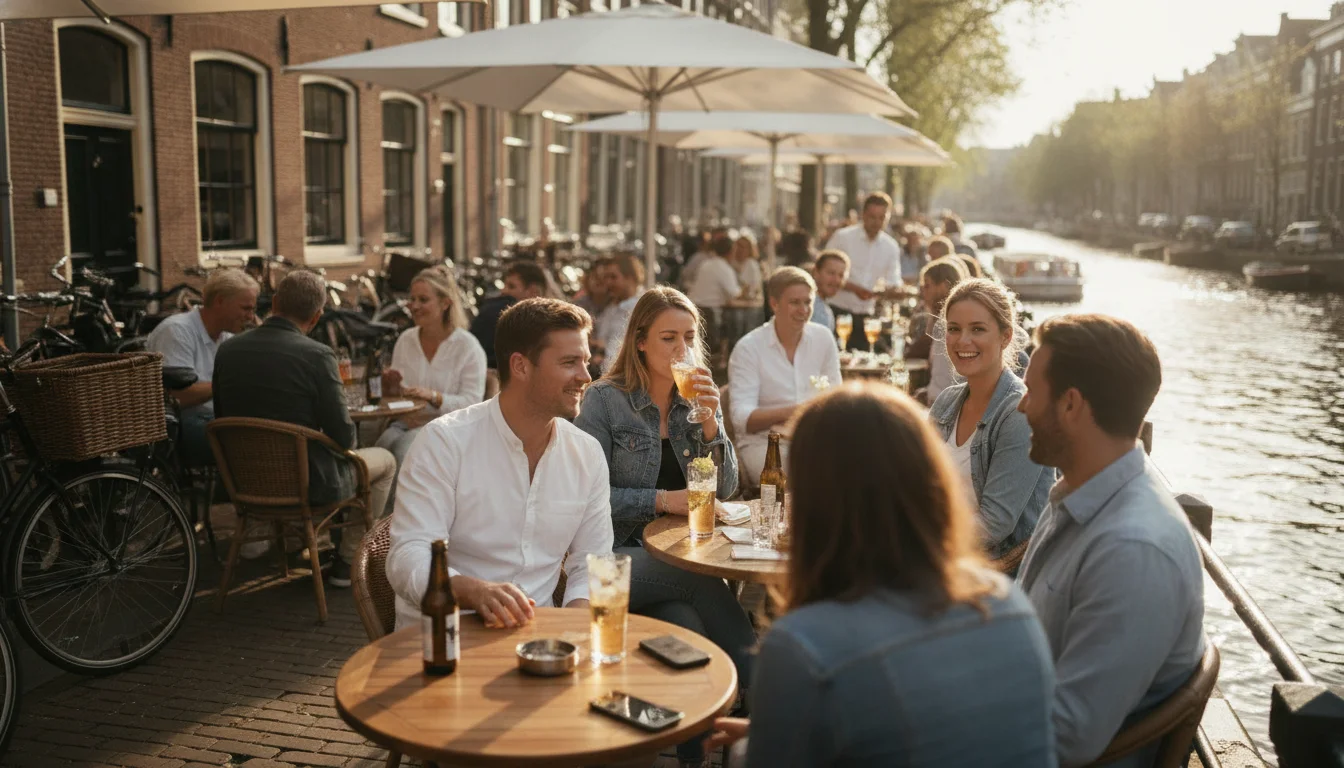
The ultimate modern Dutch solstice tradition is simply refusing to go indoors. As soon as June arrives and the evenings stretch out, locals flock to outdoor cafes and bars. There is nothing more typically Dutch than enjoying a cold drink on a sunny terrace with friends, watching the twilight slowly settle over the canals. This transition from spring to summer marks a peak period for socializing outdoors, where the boundary between afternoon and night beautifully blurs.
While mainstream cities might celebrate with casual drinks and barbecues, traditional Sint-Jansfeest rituals are still kept alive in specific communities. In Waldorf schools (known as Vrije Scholen in the Netherlands) across the country, Sint-Jansfeest is a major annual highlight. Children and parents gather to sing traditional songs, wear flower wreaths, share picnic food, and participate in the ceremonial jumping over a small campfire.
In rural areas, particularly in the eastern and southern provinces like Limburg and Noord-Brabant, local historical societies sometimes organize public lighting of the Sint-Jansvuren. These events are fantastic opportunities for expats to experience authentic Dutch heritage away from the major tourist hubs.
Late June is also the absolute peak of the Dutch festival season. The long daylight hours provide the perfect backdrop for open-air theater, classical music concerts in historical gardens, and large-scale music festivals. Midzomeravond acts as the unofficial kickoff to a summer packed with cultural events. If you want to dive deeper into this festive atmosphere, check out our guide to vibrant summer festivals in June to plan your seasonal calendar.
To help you navigate conversations about Midzomeravond and impress your Dutch colleagues, here is a curated list of essential Dutch vocabulary. Learning these words in their cultural context will help you sound much more natural and confident.
Mastering vocabulary like this is much easier when you use structured learning tools. With the StroopTaal app, you can save words like these and practice them in spaced reviews that bring them back just as they start to fade. Plus, StroopTaal's cultural lessons integrate real-life language use so you can transition smoothly from studying words to using them in real-world conversations.
If you want to make the most of Midzomeravond this year, here are some practical, local-approved activities to help you celebrate the longest day of the year:
Because the Netherlands is so flat and features an incredible network of cycling paths, a late-night bike ride is one of the best ways to experience the solstice. Head out around 9:30 PM, when the sun is low and casts a golden glow over the fields, windmills, and waterways. To make an adventure out of it, you can explore some of the most scenic Dutch cycling routes, which are particularly peaceful during the warm summer twilights.
Gather some friends, grab a picnic blanket, and head to your local park (such as the Vondelpark in Amsterdam, the Wilhelminapark in Utrecht, or the Hofvijver area in The Hague). Pack some classic Dutch snacks, some refreshing drinks, and stay until the park wardens gently remind you that it's closing time. It is a simple, budget-friendly, and incredibly Dutch way to honor the solstice.
If you can't make it all the way to the North Sea coast, look for a local stadsstrand. Many Dutch cities have created artificial sandy beaches along canals or lakes, complete with trendy beach bars, fire pits, and lounge chairs. They offer the ultimate vacation vibe right in the heart of the city, making them perfect spots to watch the midsummer sunset.
You might wonder: why should a language learner focus on cultural events like Midzomeravond? The answer is simple. Language and culture are deeply intertwined. When you learn Dutch, you aren't just memorizing grammar rules and verb conjugations; you are learning how to connect with Dutch people on a human level.
Knowing about seasonal traditions gives you instant, natural conversation starters. Saying "Wat een heerlijke, lange avond, hè?" (A lovely, long evening, isn't it?) to a neighbor or colleague is far more effective for building rapport than reciting textbook phrases. It shows that you are paying attention to the rhythm of Dutch life.
This is where the StroopTaal app shines. Rather than teaching you dry, isolated sentences, StroopTaal focuses on real-world, context-rich learning. Through interactive dialogue games, personalized AI learning plans, and real-life conversation practice, you can practice discussing cultural topics, sharing your own summer plans, and perfecting your pronunciation with instant, AI-powered feedback. It is the perfect way to build the confidence you need to step out of the classroom and into the vibrant Dutch summer life.
Midzomeravond in the Netherlands is a celebration of light, community, and the simple joy of warm weather. Whether you find yourself jumping over a traditional Sint-Jansvuur in a cozy village, cycling through the golden fields, or enjoying a cold drink on a bustling city terrace, the summer solstice is a reminder to slow down and appreciate the beautiful, long-lasting Dutch twilight.
As you enjoy these long summer days, why not take your Dutch language skills to the next level? Download the StroopTaal app today to start practicing your speaking skills, master tricky Dutch grammar, and unlock the cultural knowledge you need to feel truly at home in the Netherlands. Fijne midzomeravond!
Share this article:
As the temperatures rise and the rare Dutch sun makes its glorious appearance, there is one destination that calls to almost everyone in the...
Read moreIntroduction: The Magic of the First Sunbeams If you have spent even a single week in the Netherlands during the warmer months, you have likely...
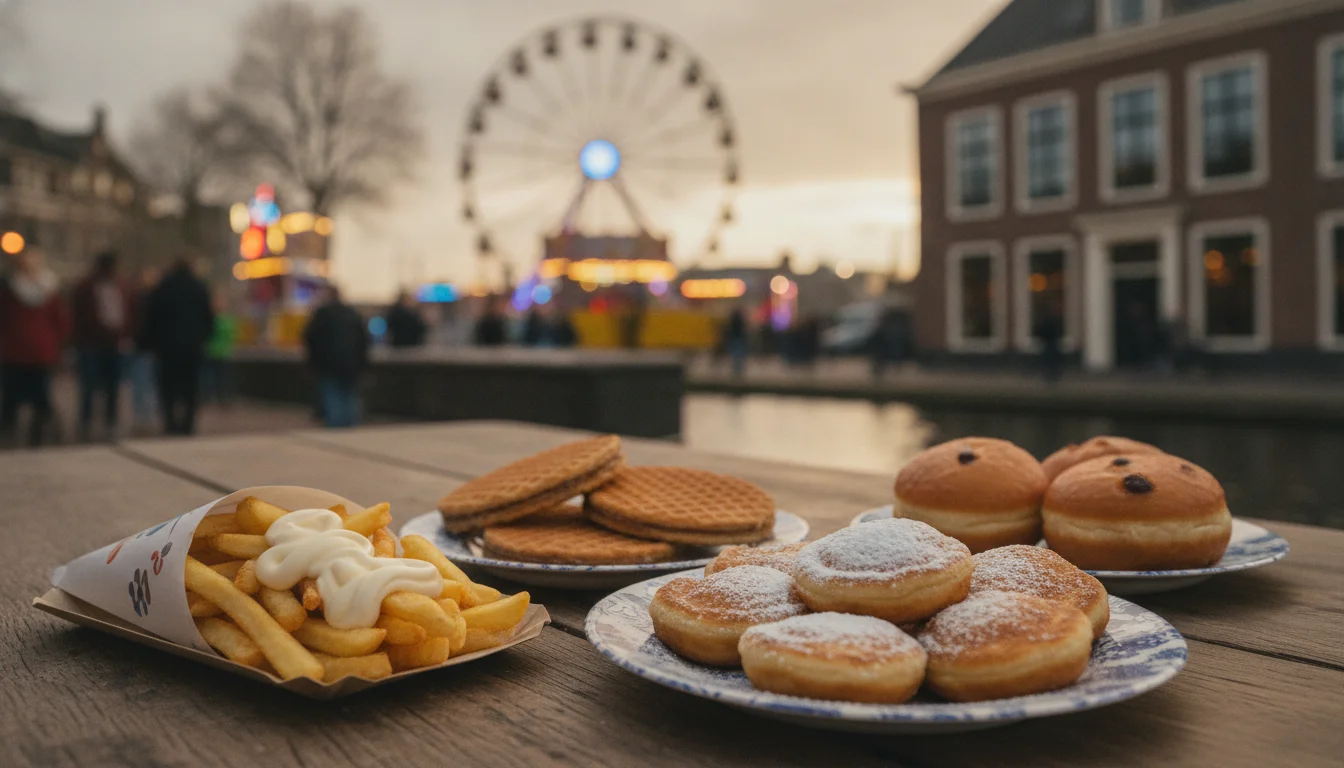
Read moreStep Into the Vibrant World of the Dutch Kermis As June arrives in the Netherlands, the days grow longer, the canals shimmer under the summer sun,...
Read more