Midzomeravond in the Netherlands: Dutch Solstice Traditions
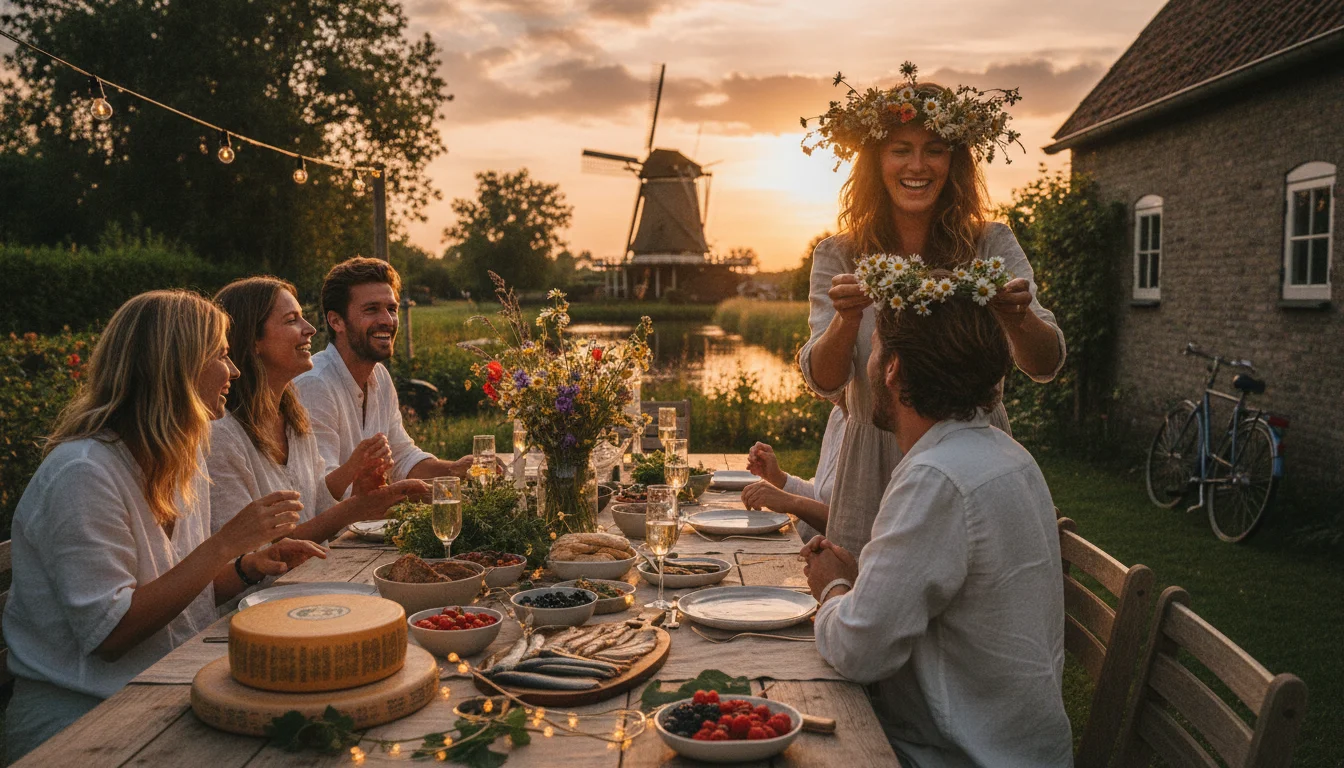
Imagine sitting in a lush Dutch park or on a canal-side deck at 10:30 PM. The sky isn't dark; instead, it is painted in deep shades of violet, amber,...
Read more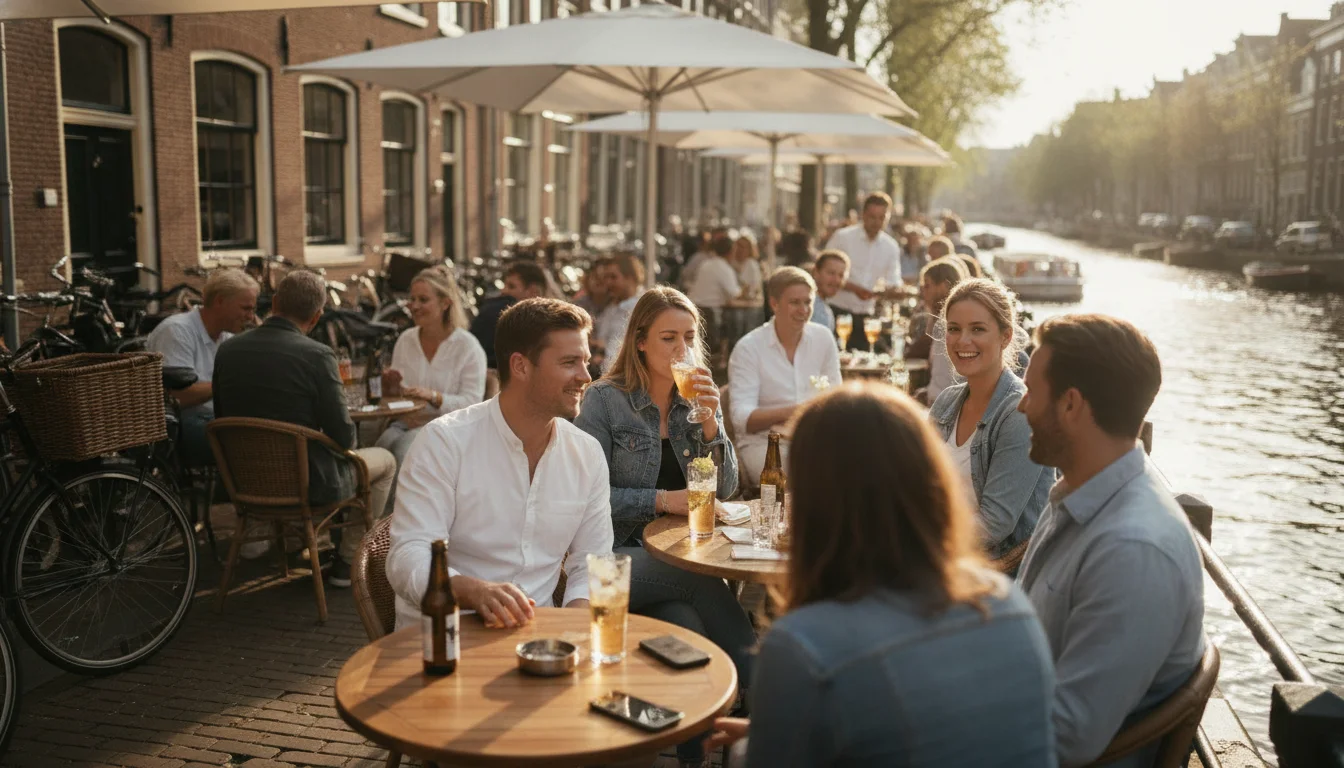
If you have spent even a single week in the Netherlands during the warmer months, you have likely witnessed a fascinating mass migration. The moment the thermometer creeps past 15 degrees Celsius and the grey clouds part to reveal a sliver of blue sky, cities and towns across the country undergo a rapid transformation. Streets, squares, and canal-sides that were quiet moments ago suddenly overflow with tables, chairs, and sun-hungry locals. This is the phenomenon of the Dutch terrace, and the weather that inspires it is affectionately known as terrasjesweer (terrace weather).
For expats, international students, and anyone learning the Dutch language, understanding terrace culture is about far more than just finding a place to drink a cold beer. It is a masterclass in Dutch social dynamics, an essential lesson in the concept of gezelligheid (coziness/conviviality), and a fantastic opportunity to practice your language skills in the wild. In this comprehensive guide, we will explore why the Dutch love their terraces so passionately, the unwritten rules of terrace etiquette, what to order, and how you can use this summer ritual to accelerate your journey to Dutch fluency.
To truly appreciate the Dutch obsession with terraces, one must first understand the climate of the Low Countries. Dutch weather is notoriously unpredictable, characterized by frequent rain, strong North Sea winds, and long, dark winters. Consequently, sunshine is not treated as a given; it is treated as a scarce, precious commodity that must be harvested immediately upon arrival.
The compound word terrasjesweer literally translates to "little terrace weather." It refers to those perfect days—typically from late April to September—when it is warm enough to sit outside comfortably, even if you need to keep your light jacket on. When terrasjesweer is declared, productivity across the nation dips slightly as offices empty out early, and the collective goal of the population shifts to securing a south-facing seat in the sun.
Sitting on a terrace is a multi-sensory experience. It is about feeling the warmth of the sun on your face, listening to the chatter of nearby tables, watching boats glide down the canals, and enjoying a slow, unstructured afternoon. It is the ultimate expression of living in the moment, a cultural trait that might surprise those who view the Dutch as purely practical and highly organized.
To the untrained eye, a Dutch terrace looks like a chaotic free-for-all. However, like most aspects of life in the Netherlands, there is an underlying system of social rules and etiquette. Knowing these rules will help you avoid common expat pitfalls and make your experience much more enjoyable.
Unlike in many other countries, you do not wait to be seated at a Dutch terrace. If you see an empty table, or even just a couple of empty chairs at a partially occupied table, you can claim them. If the terrace is packed, it is perfectly acceptable to hover politely near a table where guests look like they are preparing to leave. Do not be shy; during peak hours, space is at a premium, and assertiveness is respected.
Dutch service culture is famously hands-off. Servers (known as de bediening) will rarely hover over your table or rush you to order. While some expats find this frustrating, the Dutch view it as a sign of respect: the server is leaving you alone to enjoy your time. If you want to order, make friendly eye contact and raise your hand slightly. Avoid waving frantically or shouting. If you want to sound more native in Dutch when speaking to servers, mastering the right tone and polite phrases is key. You can practice these subtle social interactions and learn how to use StroopTaal's pronunciation feedback to sound more native in Dutch before you head out.
During busy summer days, terraces can get incredibly crowded. It is not uncommon for strangers to ask if they can sit at the empty chairs at your table. The polite answer is almost always "Ja, hoor!" (Sure!). While you are not expected to make deep conversation with your new neighbors, a friendly nod is appreciated. This shared experience only adds to the collective sense of gezelligheid.
You cannot fully experience a Dutch terrace without ordering the right refreshments. While you can certainly get a standard coffee or soft drink, the afternoon terrace visit is traditionally associated with the borrel—an informal gathering centered around drinks and savory snacks.
Drinking on an empty stomach is highly discouraged in Dutch terrace culture. Instead, locals order a variety of hot, deep-fried snacks designed for sharing:
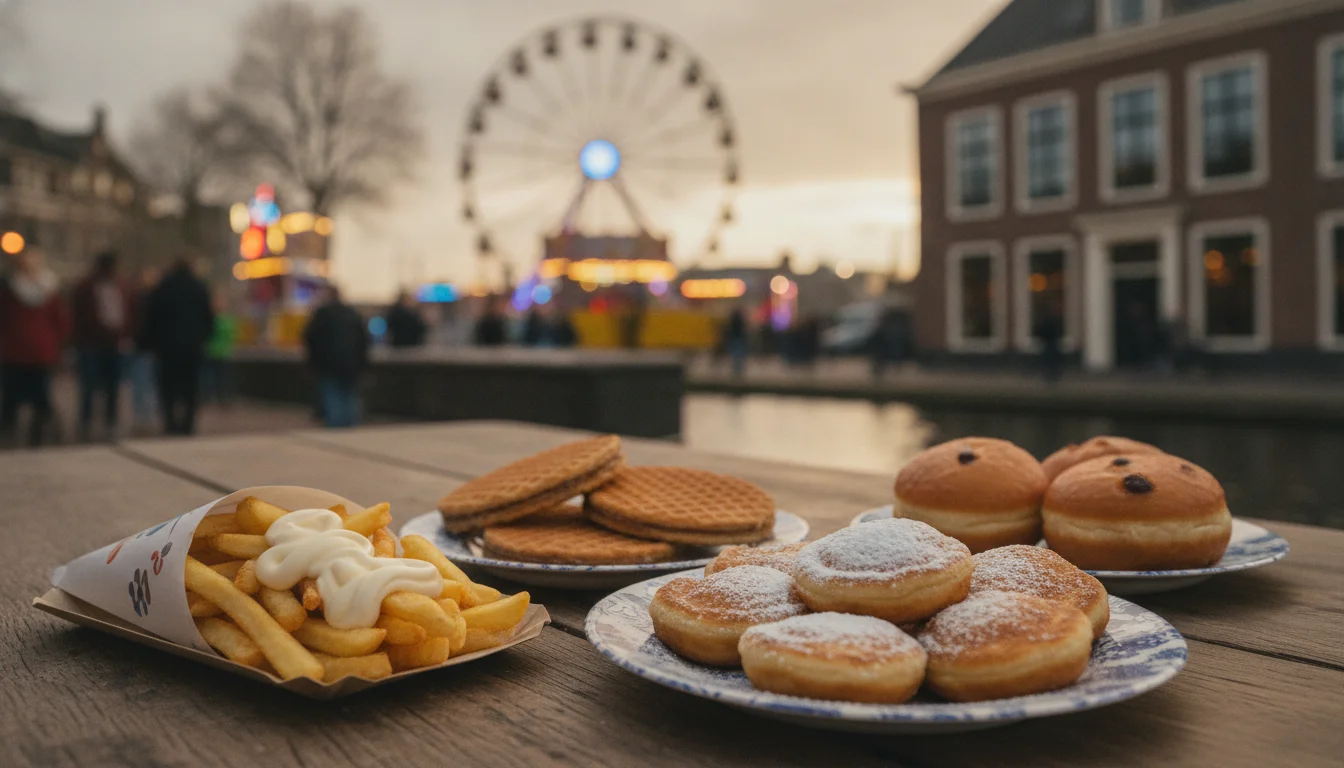
If you want to dive deeper into the fascinating world of Dutch culinary traditions, check out our guide on traditional Dutch snacks to learn more about what to eat during festive summer events.
To help you navigate your next terrace visit with confidence, here is a list of essential vocabulary and phrases. Practicing these will not only make ordering easier but will also earn you appreciative smiles from the local staff.
| Dutch Phrase | English Translation | When to Use It |
|---|---|---|
| "Mag ik bestellen?" | "May I order?" | To catch the server's attention to place your order. |
| "Twee bier, alstublieft." | "Two beers, please." | A classic order for you and a friend. |
| "Kunnen we de kaart zien?" | "Can we see the menu?" | If you want to check the drinks or snack options. |
| "Mag ik de rekening, alstublieft?" | "May I have the bill, please?" | When you are ready to wrap up and pay. |
| "Kunnen we apart betalen?" | "Can we pay separately?" | To split the bill (highly common in the Netherlands). |
| "Lekker in het zonnetje!" | "Lovely in the sun!" | A common conversational filler to express enjoyment of the weather. |
If you want to build your confidence using these phrases in real-time, the StroopTaal app can be an invaluable tool. With its interactive dialogue games and real-life Dutch conversation practice with AI, you can simulate sitting on a bustling terrace in Amsterdam or Utrecht, practicing your orders and responses until they feel completely natural.
The beauty of terrace culture is that it seamlessly integrates with other classic Dutch summer activities. It is rarely a standalone destination; rather, it is the perfect beginning, middle, or end to a day of exploration.
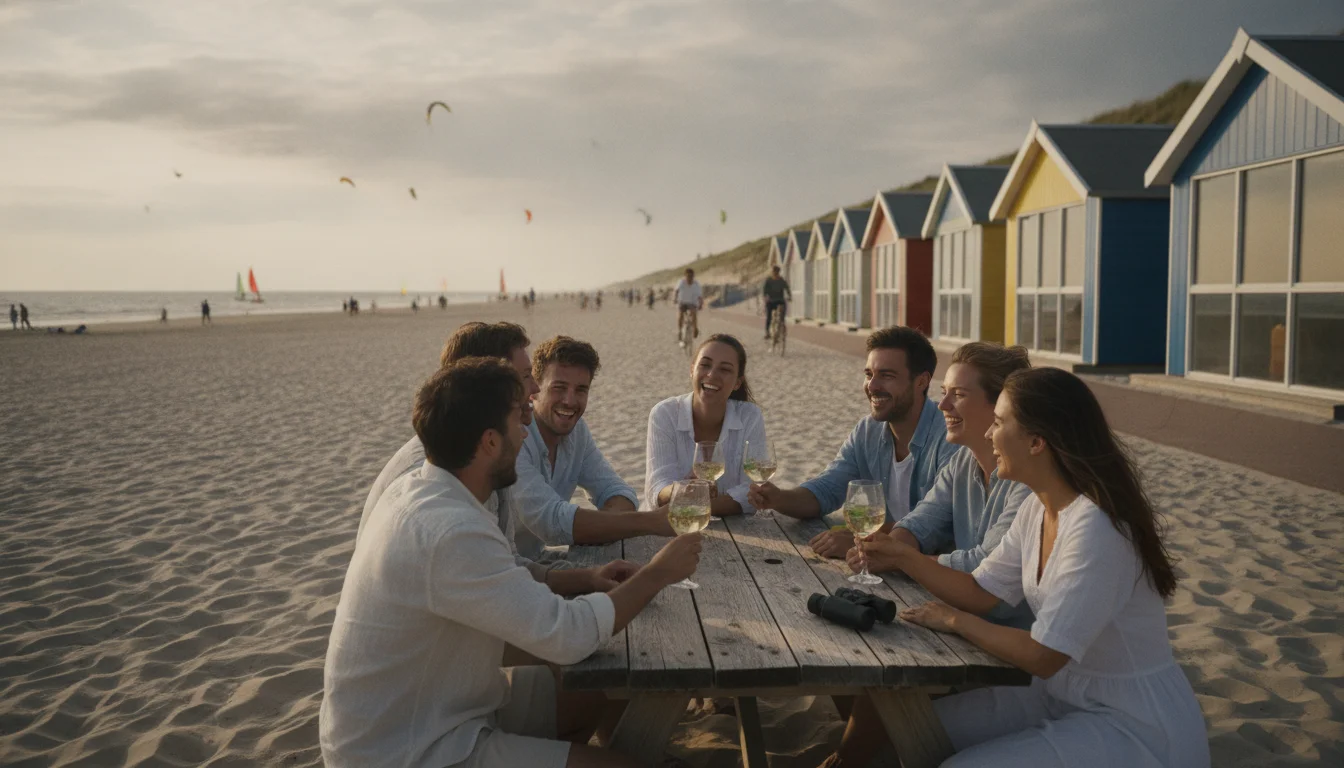
For example, you might spend a sunny Saturday afternoon experiencing the vibrant Dutch beach culture at Scheveningen or Zandvoort, where beachside pavilions (strandtenten) offer massive terraces right on the sand. Alternatively, you might take a long bike ride through the countryside and stop at a rustic café terrace along the canal to reward yourself with a slice of apple tart (appeltaart) with whipped cream.
For expats preparing for their integration exams (inburgeringsexamen), spending time on terraces is also a fantastic way to observe natural interactions. You will hear how locals greet each other, how they use informal language, and how they navigate casual disagreements. It is active learning at its most enjoyable.
The Dutch love for terraces is more than just a preference for eating and drinking outdoors; it is a cultural celebration of community, relaxation, and the fleeting beauty of summer. By stepping onto a terrace, claiming a seat in the sun, and ordering a round of bitterballen, you are participating in a cherished national ritual.
Don't let language anxiety keep you from joining in. The next time the sun comes out, grab a friend, head to your local square, and put your Dutch to the test. Remember, fluency isn't built in a silent classroom—it is built over shared laughs, clinking glasses, and sunny afternoons on a crowded terrace.
Ready to take your Dutch speaking skills to the next level before your next terrace outing? Download StroopTaal today to access personalized learning plans, pronunciation training, and real-world dialogue games that help you order with more confidence. Proost!
Share this article:
Imagine sitting in a lush Dutch park or on a canal-side deck at 10:30 PM. The sky isn't dark; instead, it is painted in deep shades of violet, amber,...
Read moreStep Into the Vibrant World of the Dutch Kermis As June arrives in the Netherlands, the days grow longer, the canals shimmer under the summer sun,...
Read moreEmbracing the Sun: The Surprising World of Dutch Beach Culture When you think of the Netherlands, your mind likely drifts to historic canals, fields...
Read more