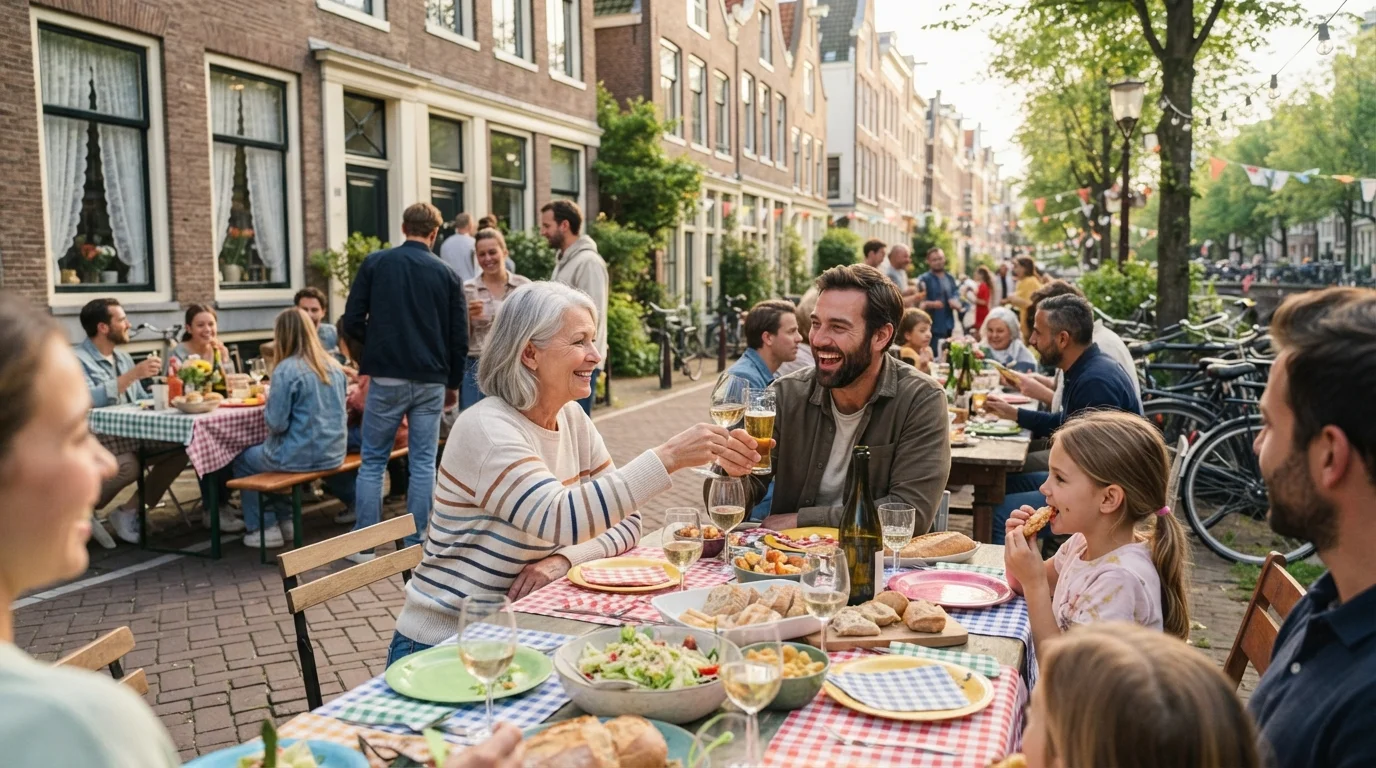
The Dutch 'Borrel' Etiquette: What to Expect at a Friday Afternoon Drink
It is Friday afternoon at 16:45. Keyboard clicking slows down, laptops begin to snap shut, and someone across the open-plan office calls out the...
Read more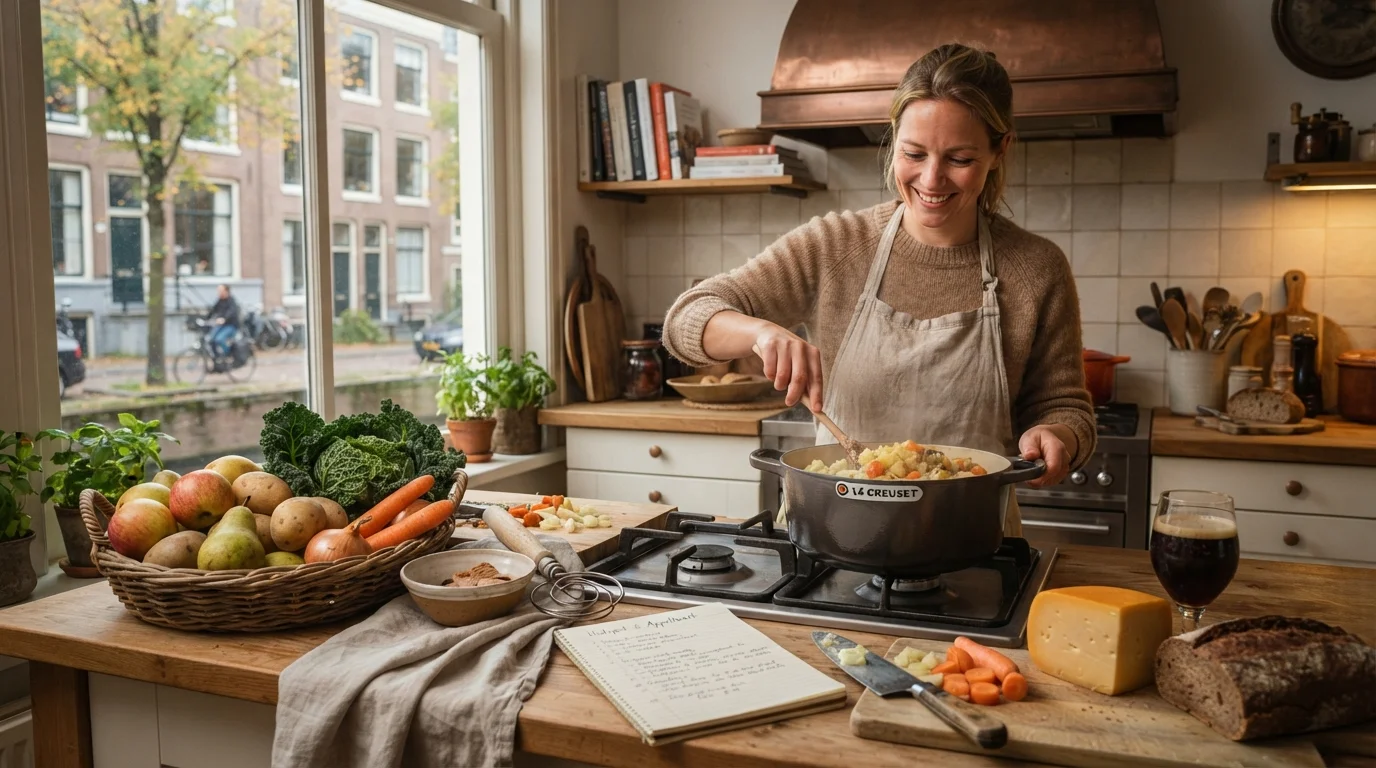
As the golden days of late summer begin to fade across the Netherlands, a quiet but profound transformation takes place. The canal terraces pack away their parasols, the morning mist hovers over the polders, and the air turns brisk and fragrant with fallen leaves. For food lovers, expats, and Dutch language learners alike, September signals the most comforting time of the culinary calendar: the arrival of herfstkost (autumn food).
Dutch autumn cuisine is grounded in comfort, simplicity, and celebrating seasonal produce freshly harvested from local fertile soils. Whether you are stocking your pantry from the weekly street market, practicing your Dutch ordering skills at the local groenteboer (greengrocer), or preparing for your civic integration exam, understanding what the Dutch eat in September offers a delicious window into the heart of Dutch culture.
In this comprehensive guide, we will explore the essential ingredients harvested in September, classic early-autumn recipes to recreate at home, essential Dutch kitchen vocabulary, and how food intertwines with the cherished concept of autumn comfort.
September is a bridge month in the Low Countries. It marks the transition from crisp summer salads and light barbecues to deep, earthy, slow-cooked meals. If you visit any open-air market in cities like Utrecht, Haarlem, or Groningen in September, you will see wooden crates overflowing with freshly picked local produce (oogst).
Late August through September is peak harvest time for Dutch orchards, especially in the Betuwe region—the fruit orchard heartland of the Netherlands. You will encounter two main stars:
Dutch soil is famed for producing world-class root vegetables. September reintroduces staples that form the backbone of Dutch comfort cooking:
Drive through Dutch villages in September, and you will spot small wooden roadside stalls outside farms displaying bright orange pumpkins (flespompoen and Hokkaido pompoen) operating on the honor system (betaal wat je wilt or via a QR code). Pumpkins have become a beloved modern staple across Dutch households for velvet-smooth soups and oven-roasted traybakes.
September rains awaken Dutch woodlands. While commercial foraging is strictly regulated across national parks (managed by Staatsbosbeheer), greengrocers and supermarkets fill their shelves with autumn mushrooms such as kastanjechampignons (cremini), chanterelles (haanrode or cantharellen), and oyster mushrooms (oesterzwammen).
When the evening temperature drops, Dutch kitchens fill with aromas of cinnamon, cloves, butter, and slow-braised meats. Here are the quintessential dishes you should cook or order this month.
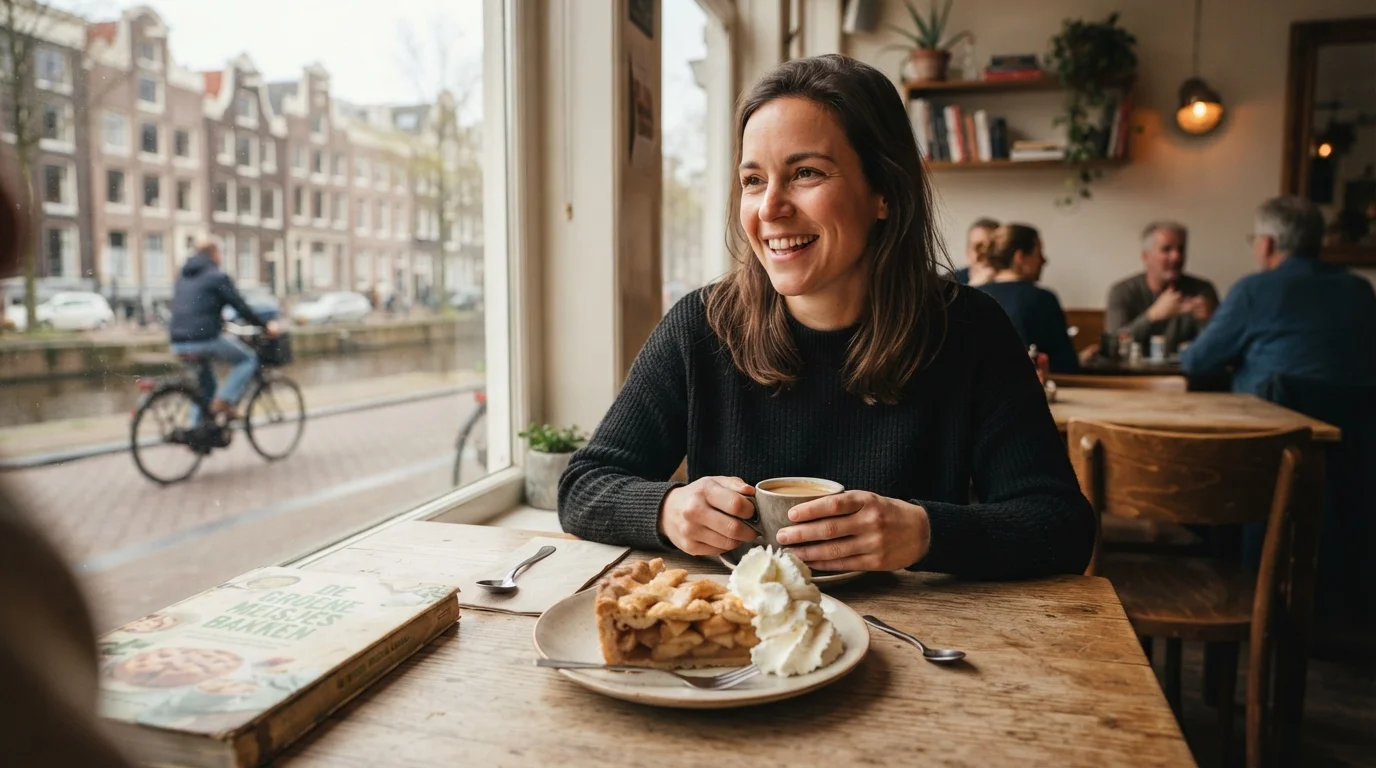
There is arguably nothing more iconic in Dutch gastronomy than a freshly baked slice of Hollandse appeltaart served warm with a generous dollop of whipped cream (slagroom). Unlike delicate French tarts or flaky American pies, Dutch apple pie features a thick, buttery, cookie-like crust laced with lemon zest, packed high with tart apples, raisins, cinnamon, and sometimes a pinch of speculaas spices.
Baking an appeltaart in September using fresh Goudreinetten is a weekend ritual across Dutch households—the ultimate culinary expression of warmth and home.
Stoofperen are an essential side dish served alongside roasted meats, game, or mashed potato dishes from September right through Christmas. Peeled small pears are gently simmered for two to three hours with cinnamon sticks (kaneelstokjes), whole cloves (kruidnagels), star anise, lemon peel, and sweetened red wine or berry juice until they turn a deep, ruby-red color and become meltingly tender.
While heavy winter mash dishes like boerenkool (kale stamppot) usually wait for the first winter frost, September is the prime season for transitional mash meals:
Dutch home cooks love robust soups that double as complete weeknight meals. A pot of velvety pumpkin soup spiked with ginger, nutmeg, and cream, served alongside a thick slice of Dutch farmhouse bread (boerenbrood) spread with salted butter, defines casual September dining.
Bring the fragrance of a Dutch autumn kitchen into your own home with this classic, foolproof recipe.
Learning Dutch through food is one of the most effective and memorable ways to expand your everyday language skills. Here is a curated vocabulary list to help you decipher restaurant menus and market signs this September:
If you want to practice ordering these seasonal specialties with confidence, the StroopTaal app offers AI-powered pronunciation training with instant feedback and interactive dialogue games that simulate authentic interactions at Dutch markets, bakeries, and restaurants.
Eating seasonally in the Netherlands is not only tastier and more nutritious—it is also significantly cheaper. When fruits and vegetables are in season locally, supply surges and prices drop across all major retail channels.
Every Dutch city, town, and neighborhood hosts a weekly market where local farmers and grocers sell seasonal produce at steep discounts compared to standard supermarket prices. Visiting the market around 3:00 PM on a Saturday often yields incredible end-of-day deals (such as 3 kilos of baking apples for just two euros).
If you prefer shopping at Albert Heijn, Jumbo, Dirk, or Lidl, look for products labeled "Van eigen bodem" (grown locally on Dutch soil). Seasonal produce will feature prominent weekly bonus discounts. To maximize your grocery budget while enjoying autumn specialties, check out our insider guide to Dutch supermarket secrets: how to save money at Albert Heijn and Lidl.
You cannot talk about Dutch food without mentioning the foundational cultural concept of gezelligheid. While the Danes celebrate hygge, the Dutch experience gezelligheid—a warm, convivial atmosphere that combines coziness, togetherness, and contentment.
September food plays a vital role in cultivating this mood. After braving a rainy bike ride home against the autumn headwinds (tegenwind), stepping into a warm kitchen smelling of simmering stewed pears or baking apple pie is the very essence of feeling thuis (at home).
To dive deeper into the cultural nuances of how locals embrace the changing season, explore our dedicated post on understanding Dutch 'Gezelligheid' in autumn: cozy season guide.
Integrating into Dutch society is about much more than memorizing irregular verbs; it is about sharing everyday experiences with the people around you. Discussing the weather, asking colleagues what they cooked last night, or sharing a home-baked slice of apple pie at the office creates instant connections.
Here are three practical ways to turn your autumn cooking into a language-learning exercise:
September in the Netherlands is an invitation to slow down, light a few candles, and celebrate the rich, earthy flavors of the Dutch harvest. From sweet, spiced stoofperen bubbling on the stove to golden slices of appeltaart enjoyed with friends, food is the most comforting gateway into Dutch culture.
Grab your bicycle, head to your local market, pick up a bag of fresh Goudreinetten, and start cooking your way toward Dutch fluency today. Eet smakelijk! (Enjoy your meal!)
Share this article:
It is Friday afternoon at 16:45. Keyboard clicking slows down, laptops begin to snap shut, and someone across the open-plan office calls out the...
Read moreMoving to the Netherlands as an expat or international resident comes with plenty of cultural discoveries—from navigating bike lanes in the pouring...
Read moreStep into any traditional Dutch café on a brisk afternoon, and you will almost certainly be greeted by a familiar, intoxicating aroma: warm...
Read more