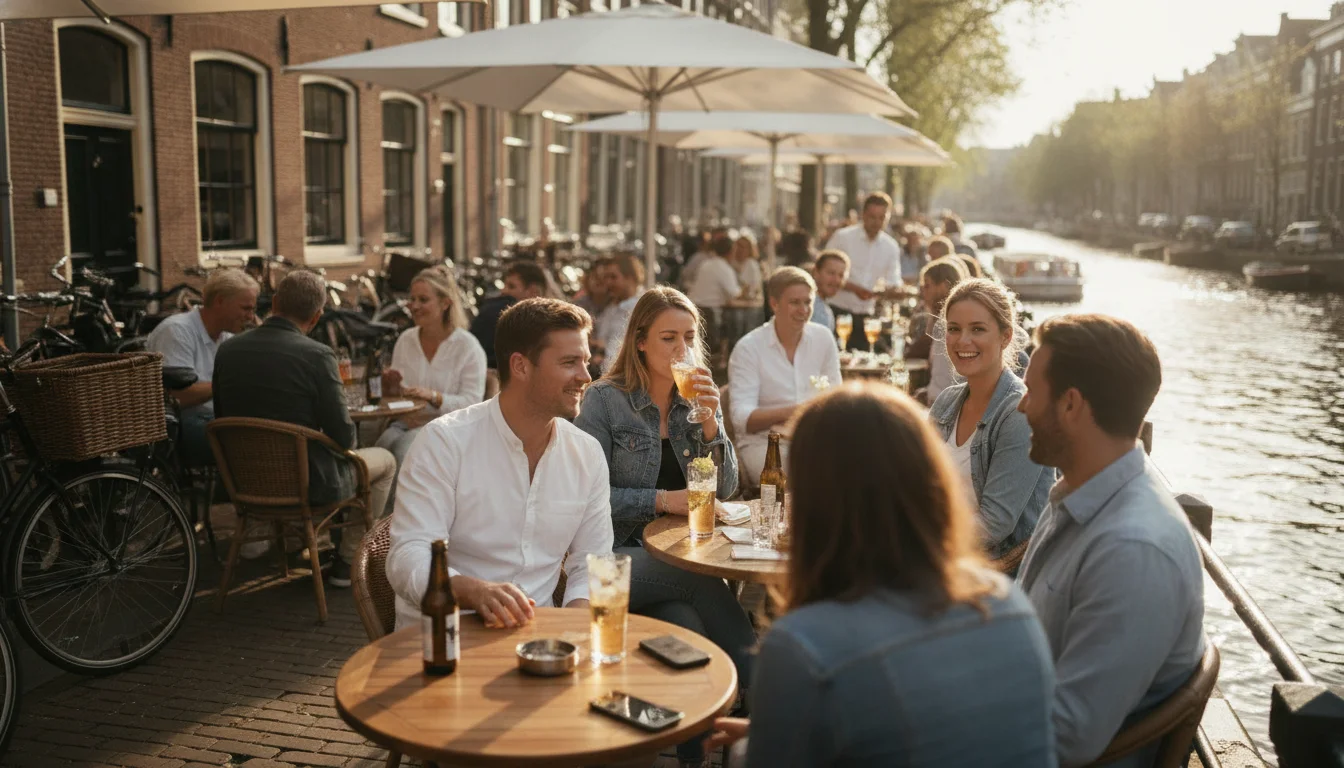
The Dutch Love for Terraces: Enjoying 'Terrasjesweer' in Summer
Introduction: The Magic of the First Sunbeams If you have spent even a single week in the Netherlands during the warmer months, you have likely...
Read more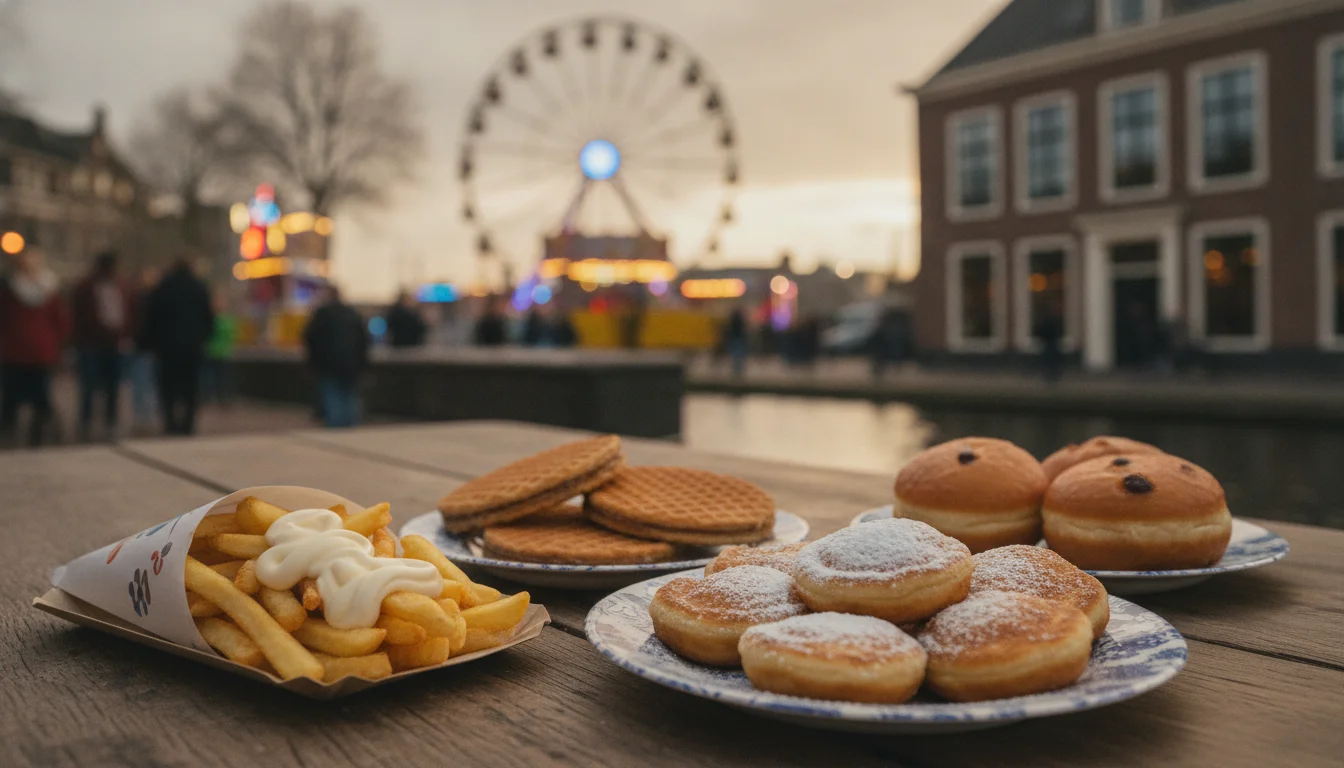
As June arrives in the Netherlands, the days grow longer, the canals shimmer under the summer sun, and a familiar, nostalgic sound begins to echo through town squares. It is the music of the kermis (the traditional Dutch funfair). Traveling amusement rides, bright neon lights, and the laughter of families and teenagers fill the air. But for food lovers, expats, and language learners alike, the real attraction of a Dutch kermis is the aroma drifting from the historic, wooden food stalls.
While international visitors are usually well-acquainted with the famous stroopwafel, the culinary landscape of a traditional Dutch funfair goes far deeper. From piping-hot, pillow-soft sweet treats to deep-fried savory delicacies, the kermis is a living museum of Dutch food culture. If you are preparing for your integration exams, learning the language, or simply trying to blend in with the locals this June, mastering the art of kermis snacking is an essential rite of passage.
In this guide, we will take you on a gastronomic tour of the best traditional Dutch snacks you must try at a kermis in June, complete with cultural context, linguistic tips, and advice on how to order like a native speaker.
The word kermis has deep historical roots, originating from the Middle Dutch word kermisse (a contraction of kerkmis, or church mass). Historically, it was a festival celebrated on the anniversary of the consecration of a local church. Over the centuries, these religious gatherings evolved into secular, traveling funfairs featuring acrobatics, theatrical performances, rides, and, of course, specialized food vendors.
Today, a kermis can be found in almost every Dutch town and city at some point between spring and autumn. June is a particularly magical month to experience them, as the warm weather makes outdoor socializing a delight. The kermis is a fantastic addition to your summer itinerary, fitting perfectly alongside other seasonal events like Dutch summer festivals in June.
To understand the culture, you must understand the food. Let’s dive into the classic treats you will encounter at the stalls.
If there is one sweet snack that defines the Dutch fairground experience, it is poffertjes. These are tiny, fluffy pancakes made with yeast and buckwheat flour, cooked in a special cast-iron pan with shallow indentations. The baker flips them with lightning speed using a long metal fork, ensuring they remain light and airy on the inside.
At a traditional poffertjeskraam (poffertjes stall), which is often decorated with nostalgic lace curtains and wooden furniture, a standard serving (een portie) consists of about ten to fifteen poffertjes. They are served hot, crowned with a generous pat of real butter and a heavy dusting of poedersuiker (powdered sugar). Eating them with a tiny plastic fork while they melt in your mouth is pure bliss.
While oliebollen (literally 'oil balls'—deep-fried sweet dough dumplings) are famously eaten on New Year\'s Eve in the Netherlands, many people are surprised to find them at the kermis in June. The traveling gebakkraam (pastry stall) is a permanent fixture of the funfair, serving fresh, hot oliebollen year-round.
You can choose between a plain oliebol or a krentenbol (filled with raisins and currants). They are fried to a golden brown, crispy on the outside, soft on the inside, and served warm with powdered sugar. Don\'t miss out on this winter favorite during a warm June evening!
For those with an extreme sweet tooth, the kermis offers suikerspin (cotton candy, literally 'sugar spider') and traditional zuurstokken. A zuurstok is a long, hard candy cane, traditionally flavored with cinnamon (kaneelstok) or wine ball flavor (wijnbal). These sweets have been sold at Dutch fairs for over a century and represent the ultimate nostalgic treat for older generations of Dutch citizens.
If you prefer savory over sweet, the Dutch kermis has plenty to offer. The Dutch have perfected the art of the deep fryer, and the kermis is the perfect place to sample these crispy delights.
Though highly popular at coastal towns and open-air markets, kibbeling is a beloved savory snack at summer funfairs. It consists of chunks of white fish (traditionally cod, though often pollock or hake today) dipped in a spiced batter and deep-fried to crispy perfection. It is served hot, usually accompanied by a creamy garlic sauce (knoflooksaus) or ravigotte sauce. It is the perfect savory pick-me-up between high-speed rides.
No outdoor event in the Netherlands is complete without a serving of fries. Depending on which region of the country you are in, you will order either patat (primarily in the north and west) or friet (in the south). At the kermis, you can grab a paper cone (puntzak) of thick-cut, crispy fries topped with a mountain of Dutch mayonnaise, which is creamier and sweeter than its American or French counterparts.
Pair your fries with a kroket—a deep-fried roll containing a thick, savory meat ragout covered in breadcrumbs. For an authentic experience, try eating it on a soft white bun (broodje kroket) with a smear of mustard.
Visiting a kermis is not just a culinary adventure; it is also a fantastic opportunity to practice your Dutch in a real-world setting. Ordering food in a fast-paced environment can feel intimidating, but with a few key phrases, you will feel confident and sound natural.
Here are some essential phrases to use at the food stalls:
To make sure you nail the pronunciation of tricky words like poffertjes or kibbeling, you can practice your speaking skills beforehand. Using StroopTaal’s pronunciation feedback tool can help you master the subtle Dutch vowel sounds and the famous guttural "g", ensuring the stall owner understands your order perfectly on the first try!
Food is one of the most effective gateways to integration. When you stand in line at a gebakkraam, chatting with the person next to you about the weather (a favorite Dutch pastime) or sharing a table at a crowded poffertjeskraam, you are actively participating in Dutch society. This informal, community-focused environment is exactly where real-world language skills are forged.
If you are studying for your Inburgeringsexamen (integration exam), understanding these cultural touchstones is incredibly valuable. The exam doesn\'t just test your grammar; it tests your knowledge of Dutch society (Kennis van de Nederlandse Samenleving). Knowing the history of the kermis and the significance of seasonal foods shows a deep appreciation for the local lifestyle.
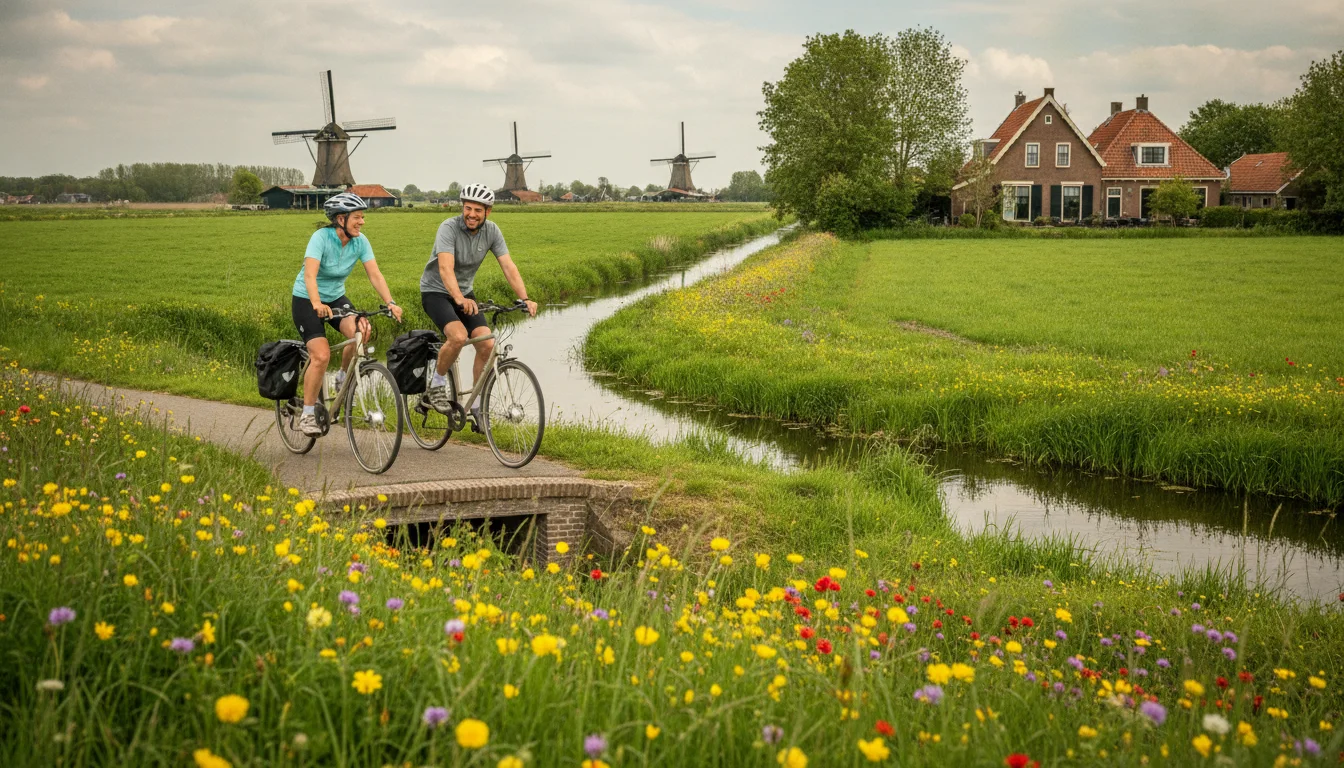
To make the most of your June adventures, consider combining a trip to a local village fair with one of the many scenic summer cycling tours across the countryside. Cycling through the polders and ending your day with a warm plate of poffertjes at a village kermis is the ultimate Dutch summer experience.
Learning Dutch isn\'t just about memorizing vocabulary lists; it\'s about context, culture, and connection. At StroopTaal, we believe that language learning should be as engaging and satisfying as a hot plate of fresh poffertjes. Our app features personalized learning plans powered by AI, real-life conversation practice, and interactive dialogue games designed to prepare you for real-world scenarios—like ordering food at a busy fairground or festival.
With our spaced repetition vocabulary builders and bite-sized grammar lessons spanning from A0 to C1, you can build the confidence you need to take your Dutch out of the app and into the real world. Why not download StroopTaal today and start preparing for your next cultural excursion?
The Dutch kermis is a feast for the senses, offering a delightful blend of history, community, and delicious traditional snacks. This June, challenge yourself to step away from the familiar stroopwafels and dive into the world of hot, buttery poffertjes, crispy kibbeling, and sweet zuurstokken. Every bite is a step closer to understanding the heart of Dutch culture, and every interaction at the counter is a victory for your language journey.
For more information on traditional Dutch customs, festivals, and events, check out the official Holland Tourism Portal or read up on the history of European fairs on Wikipedia\'s Kermis History page. Enjoy the rides, enjoy the food, and eet smakelijk!
Share this article:
Introduction: The Magic of the First Sunbeams If you have spent even a single week in the Netherlands during the warmer months, you have likely...
Read moreEmbracing the Sun: The Surprising World of Dutch Beach Culture When you think of the Netherlands, your mind likely drifts to historic canals, fields...
Read moreIntroduction: The Magic of Dutch Summers on Two Wheels June in the Netherlands is nothing short of magical. As the spring chill fully recedes, the...
Read more