Traditional Dutch Snacks: What to Eat at a Kermis in June
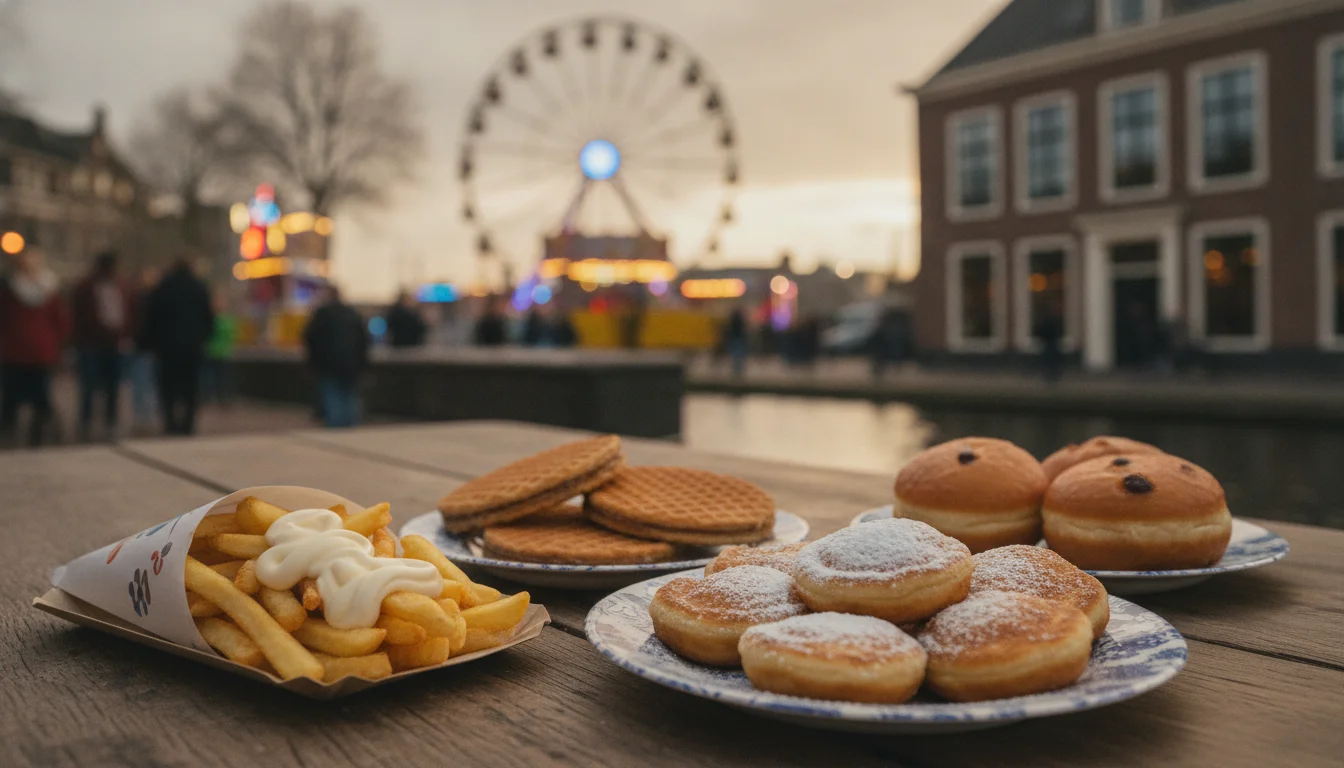
Step Into the Vibrant World of the Dutch Kermis As June arrives in the Netherlands, the days grow longer, the canals shimmer under the summer sun,...
Read more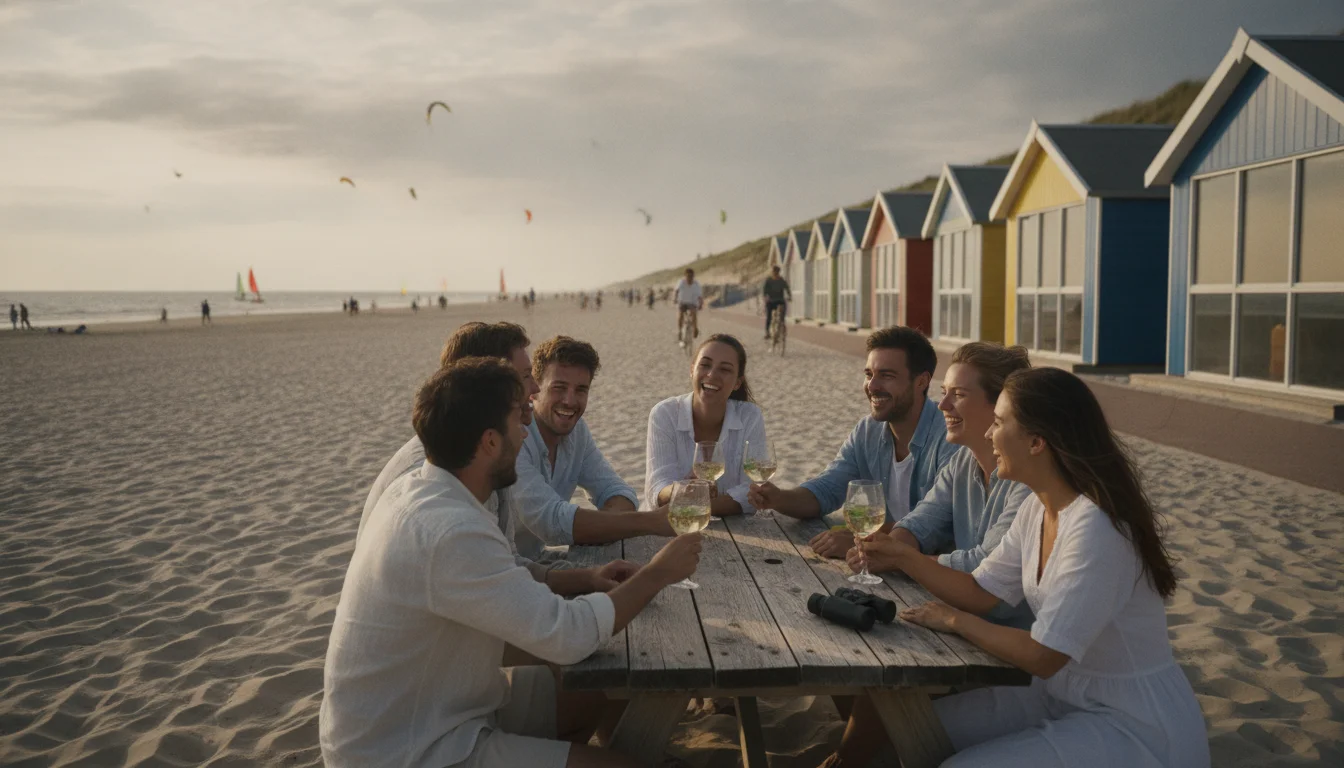
When you think of the Netherlands, your mind likely drifts to historic canals, fields of vibrant tulips, historic windmills, and perhaps a gentle drizzle of rain. However, when summer arrives, a dramatic transformation occurs. The Dutch pack away their raincoats, hop onto their bicycles, and head straight for the coast. With over 450 kilometers of stunning coastline, the Netherlands boasts a thriving, unique, and deeply cherished beach culture that every expat, language learner, and visitor should experience.
If you are preparing for your integration exams or simply trying to navigate life as an expat, understanding the nuances of Dutch beach culture is a fantastic way to blend in. From the bustling beach pavilions of Scheveningen to the serene dunes of the Wadden Islands, the Dutch coast in Summer 2026 offers a perfect blend of relaxation, sport, and socializing. In this comprehensive guide, we will explore what to expect, where to go, essential vocabulary, and how to enjoy the coastline like a true local.
The Dutch coast is highly diverse, offering everything from high-energy party hubs to peaceful nature reserves. Depending on what kind of beach day you are looking for, here are the top coastal destinations to visit this summer:
Located right next to The Hague, Scheveningen is the most famous beach resort in the Netherlands. It features a massive sandy beach, a historic pier complete with a Ferris wheel, and an endless strip of beach clubs and restaurants. It is lively, crowded, and perfect if you enjoy people-watching, beach sports, and a vibrant nightlife. However, because of its popularity, it can get incredibly busy on hot summer days.
Often referred to as "Amsterdam Beach" due to its direct train connection from Amsterdam Centraal, Zandvoort is a favorite for city dwellers. Beyond the wide sandy expanses, Zandvoort is famous for the Circuit Zandvoort, which hosts the Dutch Formula 1 Grand Prix. The surrounding dunes, known as the Kennemerduinen, offer breathtaking walking and cycling paths where you might even spot wild highland cattle.
If you prefer a slightly calmer, more family-oriented beach experience, head south to the province of Zeeland. Known for having the most sunshine hours in the country, Zeeland boasts incredibly clean beaches, massive dune systems, and spectacular engineering marvels like the Delta Works. It is also a haven for water sports enthusiasts, particularly kitesurfers and windsurfers.
For a truly magical escape, take a ferry to one of the Wadden Islands (such as Texel, Terschelling, or Ameland). Located in the north, the Wadden Sea is a UNESCO World Heritage site. Here, the beach culture is defined by wide-open spaces, cycling through salt marshes, and enjoying the quiet rhythm of island life. It is the ultimate destination for uitwaaien—the unique Dutch concept of walking in the wind to clear your mind.
To fully enjoy your coastal adventure in Summer 2026, it helps to understand the unique customs and unwritten rules that define Dutch beach culture. The Dutch have a highly organized yet relaxed approach to their days in the sun.
Unlike many countries where beaches are lined with simple snack shacks, the Dutch have perfected the art of the strandtent (beach pavilion). These are massive, beautifully designed, temporary wooden structures built right on the sand every spring and dismantled in autumn. They feature full-service restaurants, stylish lounge chairs, fireplaces for chilly evenings, and extensive outdoor terraces.
In Summer 2026, expect to see a strong focus on sustainability in these pavilions, with many offering organic, locally sourced menus and zero-plastic operations. Sitting at a strandtent with a cold drink while watching the sunset is the pinnacle of Dutch summer relaxation.
The North Sea breeze is legendary. Even on a hot, sunny day of 28°C, the wind can whip up the sand and make sunbathing uncomfortable. Enter the windscherm. You will see thousands of these colorful fabric barriers staked into the sand, creating private, wind-free micro-climates for families and sunbathers. If you plan to spend more than a couple of hours at the beach, buying or renting a windbreak is highly recommended.
As the afternoon transitions into evening, around 4:00 PM, the Dutch transition to borrelen—the beloved social tradition of having drinks and savory snacks. At the beach, this means ordering a cold beer, a glass of rosé, or a refreshing fluitje (a small draft beer) accompanied by a platter of hot bitterballen, cheese sticks, or local seafood like kibbeling (deep-fried battered fish pieces served with garlic sauce).
To truly immerse yourself in the local culture and feel confident during your seaside excursions, it helps to practice your language skills. Whether you are ordering food at a pavilion or chatting with fellow beachgoers, here is a handy list of essential Dutch beach vocabulary:
If you want to feel confident using these terms in real-life conversations, practicing beforehand is key. To ensure you sound natural and relaxed when asking for zonnebrandcrème or ordering your favorite drink, you can practice how to use StroopTaal's pronunciation feedback to sound more native in Dutch. The app's interactive dialogue games let you simulate real-world conversations at a busy beach pavilion, giving you the vocabulary and confidence you need before you even step onto the sand.
As we look forward to the summer of 2026, several exciting trends are shaping the Dutch coastline. Sustainability is at the forefront of beach management. Many coastal municipalities are implementing "green beach" initiatives, aiming to reduce waste and protect the fragile dune ecosystems. Visitors are encouraged to use public transport, bicycle, or walk to the coast rather than driving.
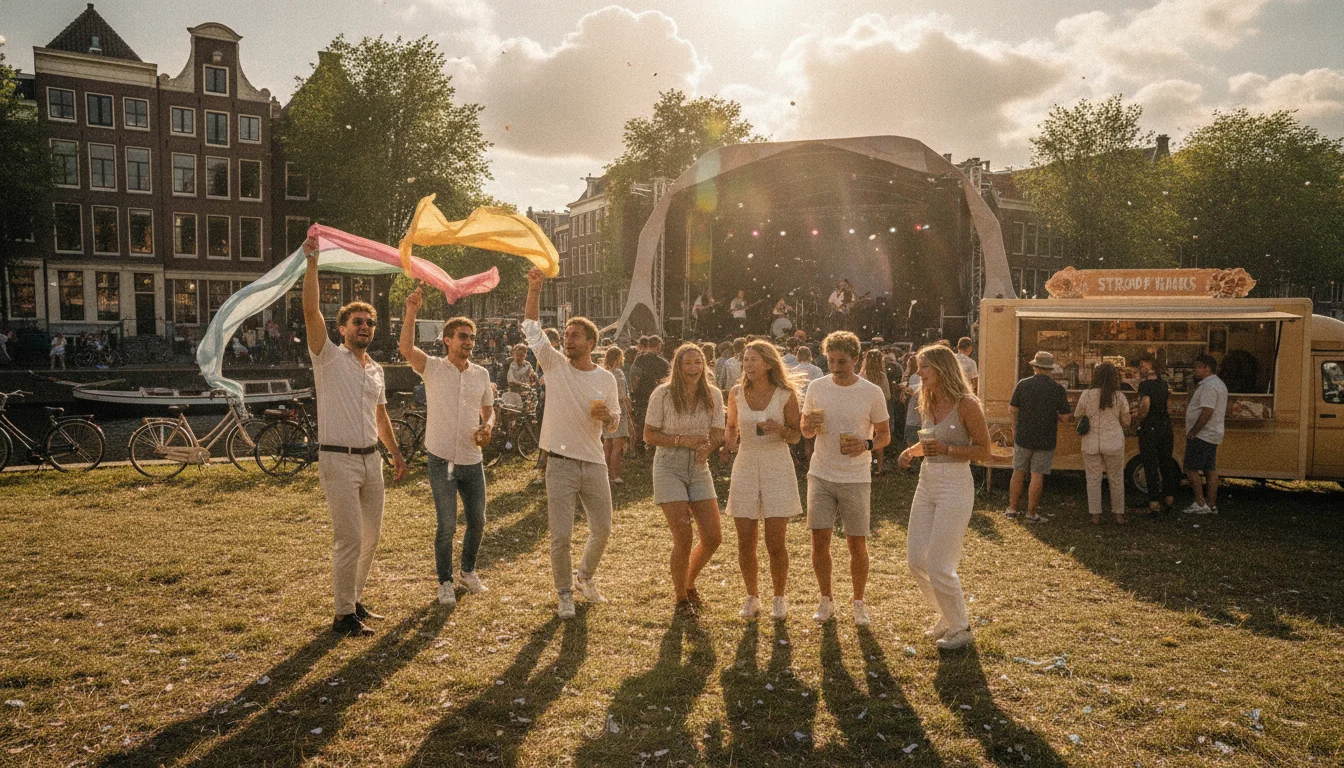
Furthermore, the summer of 2026 is set to host a spectacular lineup of seaside cultural events, music festivals, and outdoor art installations. You can easily combine a relaxing day on the sand with attending some of the most anticipated vibrant Dutch summer festivals in 2026, which often feature beachside stages and ecological themes.
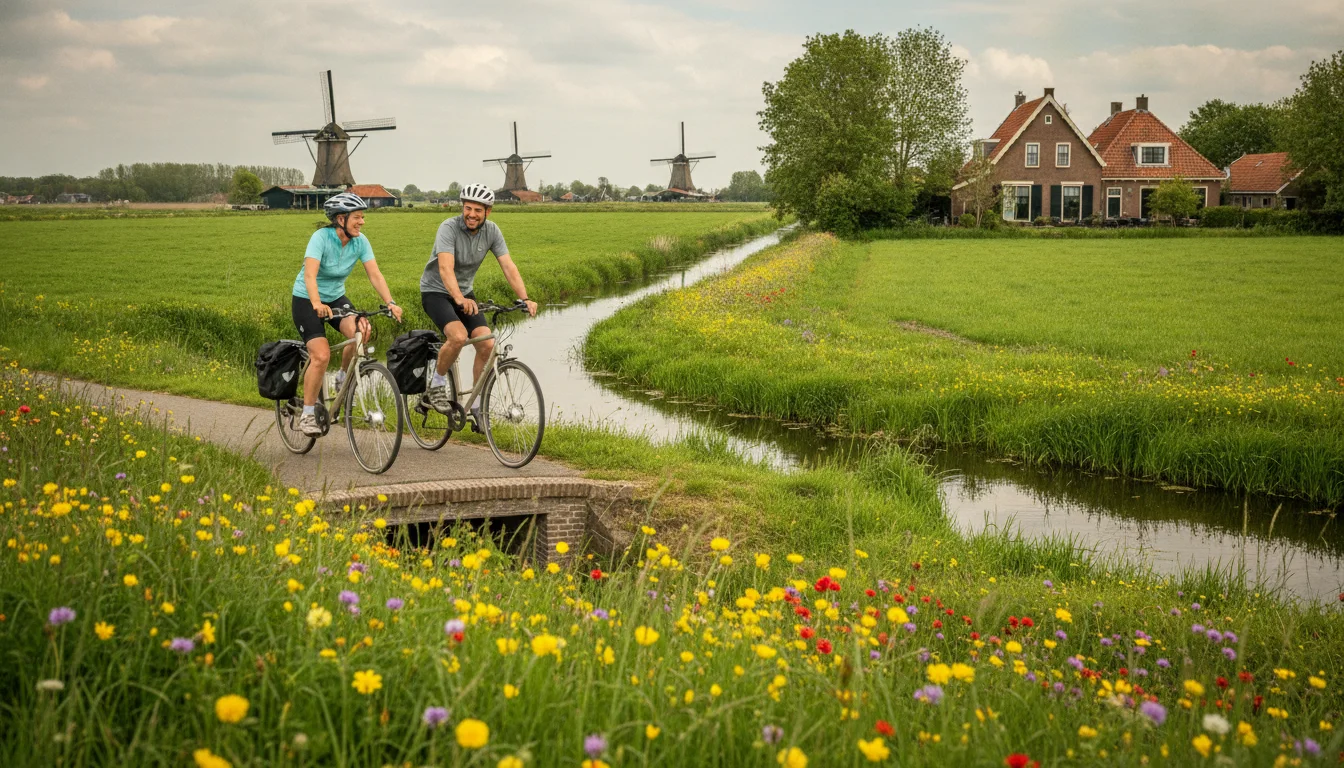
If you prefer an active holiday, consider planning a multi-day journey along the coast. The Dutch cycling infrastructure makes it incredibly easy to pedal from town to town. Exploring the coastline via two wheels is a fantastic addition to any of the scenic Dutch summer cycling tours available across the country, allowing you to experience the transition from busy port cities to quiet, wind-swept dune landscapes.
To ensure your beach trip is memorable for all the right reasons, keep these practical tips in mind:
The Dutch weather is notoriously unpredictable. A bright, cloudless morning can occasionally turn into a rainy afternoon. Always check a reliable local weather app like Buienradar or Weeronline before you travel. These apps provide highly accurate, minute-by-minute rain forecasts so you can time your beach escape perfectly.
On hot summer days, the roads leading to popular beaches like Zandvoort and Scheveningen become heavily congested, and parking fees can be astronomically high. The smartest way to travel is by train or bicycle. The NS train station at Zandvoort aan Zee is just a short walk from the sand, making it incredibly accessible. Alternatively, renting an OV-fiets (public transport bike) and cycling through the dunes is a beautiful, stress-free way to arrive.
The dune systems are not just beautiful; they are vital natural sea defenses that protect the low-lying Netherlands from flooding. They are also home to sensitive wildlife. Always stay on designated paths, keep your dog on a leash where required, and never pick wild plants. Respecting these boundaries ensures the coast remains beautiful and safe for everyone.
The North Sea can have strong currents, undercurrents, and rip tides (known locally as muien). Always swim between the yellow or red flags, which indicate monitored safe zones looked after by the local KNRM (Royal Netherlands Sea Rescue Institution). If you ever find yourself caught in a rip current, do not panic or swim against it; instead, swim parallel to the shore until you are out of the current, and then swim back to land.
Experiencing Dutch beach culture in Summer 2026 is about much more than just sunbathing; it is an invitation to understand the Dutch way of life. It is about embracing the elements, enjoying simple culinary pleasures, practicing environmental mindfulness, and sharing a warm, gezellig moment with friends and family against the backdrop of a North Sea sunset.
As you plan your summer adventures, remember that every interaction—from buying a train ticket to ordering a portion of kibbeling—is a valuable opportunity to practice your Dutch. To help you prepare for these real-life moments, the StroopTaal app offers personalized learning plans, vocabulary training with spaced repetition, and real-life dialogue games designed to make you feel right at home in any Dutch setting. Download StroopTaal today, master your conversational skills, and get ready to enjoy the beautiful Dutch coastline with absolute confidence. Veel plezier aan het strand! (Have fun at the beach!)
Share this article:
Step Into the Vibrant World of the Dutch Kermis As June arrives in the Netherlands, the days grow longer, the canals shimmer under the summer sun,...
Read moreIntroduction: The Magic of Dutch Summers on Two Wheels June in the Netherlands is nothing short of magical. As the spring chill fully recedes, the...
Read moreEmbracing the Dutch Summer: Your Guide to June 2026 Festivals When June arrives in the Netherlands, the entire country undergoes a magical...
Read more