The Dutch Summer Holiday: Where Locals Go and How to Wish Them Well
Introduction: The Magic of the Dutch Summer Ah, summer in the Netherlands! While the Dutch weather can be famously unpredictable, the moment the sun...
Read more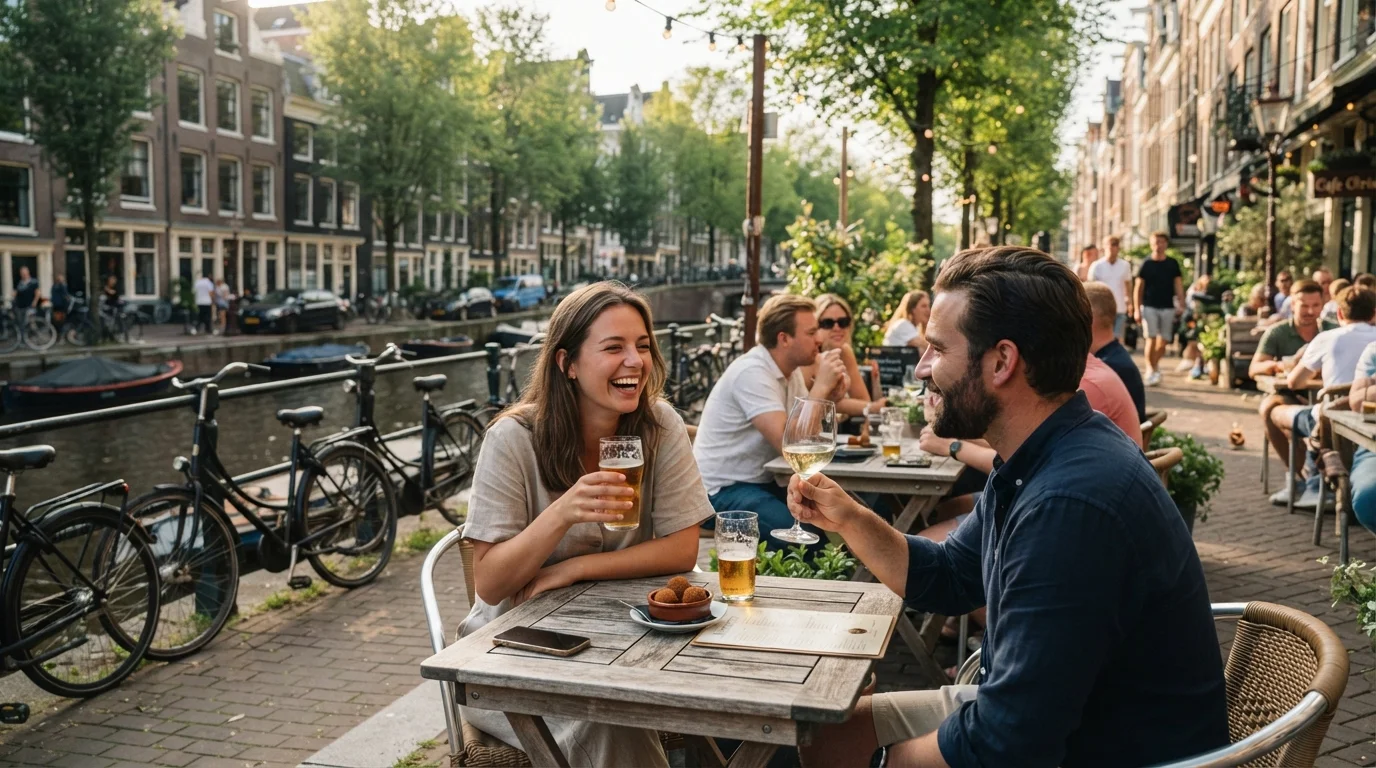
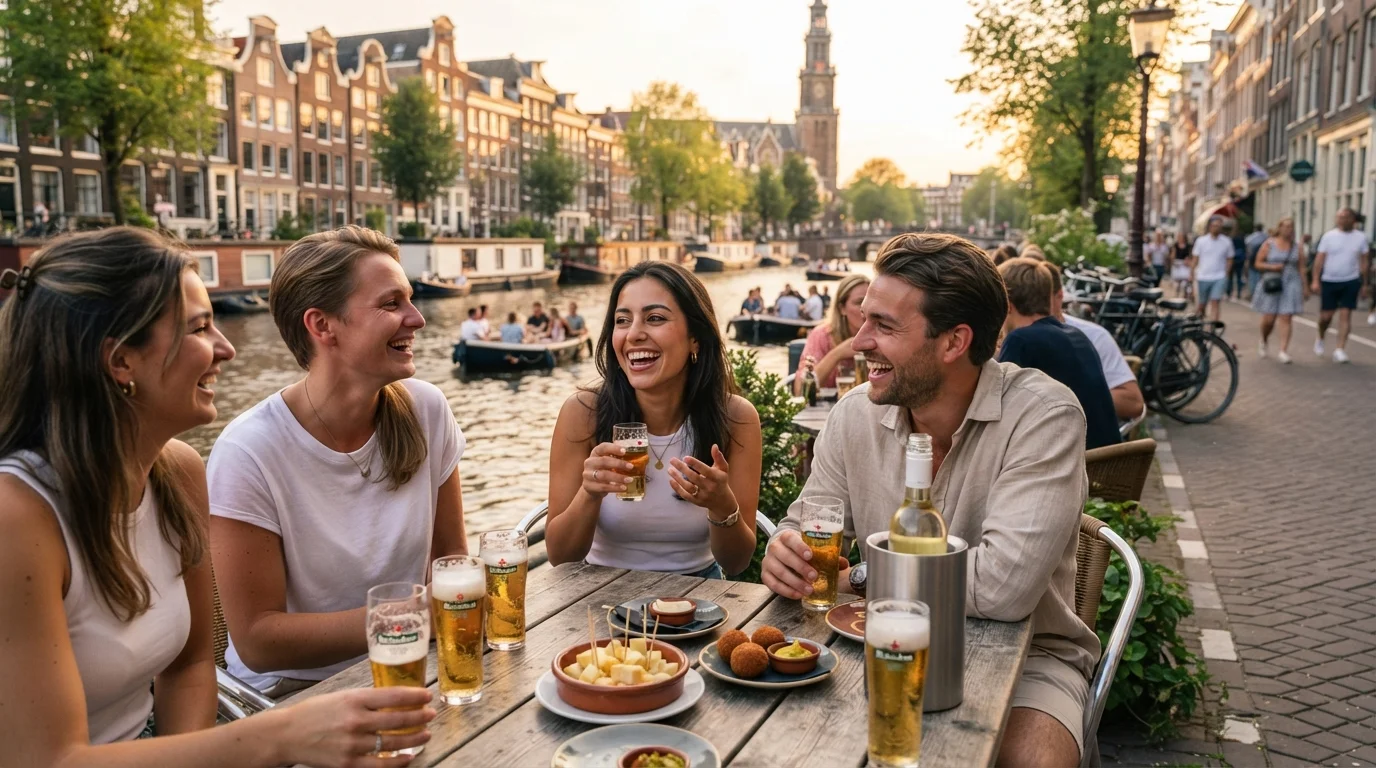
As soon as the first rays of spring and summer sun pierce through the notoriously gray Dutch skies, a remarkable transformation occurs across the Netherlands. Cities like Amsterdam, Utrecht, Rotterdam, and Haarlem instantly come alive. The Dutch abandon their cozy living rooms and spill out into the open air. This collective migration to the outdoors is driven by one core cultural force: the pursuit of gezelligheid.
Often described as the ultimate untranslatable Dutch word, gezelligheid is the soul of Dutch culture. While winter gezelligheid is all about candles, warm blankets, and hot cocoa (often referred to as knus), summer gezelligheid is vibrant, sun-drenched, and intensely social. It is found on the sprawling canal-side terraces (terrasjes) and on the lush green lawns of city parks. For expats, international students, and language learners, understanding this summer phenomenon is your golden ticket to truly integrating into Dutch society.
In this comprehensive guide, we will unpack the concept of summer gezelligheid, explore the unwritten rules of Dutch terraces and parks, arm you with essential Dutch vocabulary, and show you how to confidently navigate these social hubs like a local.
To understand the Dutch, you must understand gezelligheid (and its adjective form, gezellig). While often translated as "coziness," "conviviality," or "togetherness," none of these English words quite capture its full essence. According to Wikipedia's definition of gezelligheid, the term encompasses circumstances that are cozy, friendly, warm, and social. It is a feeling of belonging, comfort, and shared enjoyment.
In the summer, gezelligheid is active and communal. It is about:
For expats, learning to recognize and participate in these moments is a crucial part of the integration process. It is also an excellent opportunity to practice your Dutch in a relaxed, low-pressure environment.
If there is one phrase you will hear on loop between May and September, it is: "Zullen we een terrasje pakken?" (Shall we grab a terrace?).
The terras (terrace) is the undisputed king of Dutch summer social life. Every café, bar, and restaurant with even a sliver of sidewalk space will set up outdoor tables and chairs. The moment the temperature hits 15°C (59°F), these terraces fill up. The Dutch will sit outside in full winter coats and sunglasses just to catch those precious sunbeams.
However, to fully enjoy the terrace culture, there are a few cultural nuances and unwritten rules you should know:
When the terraces are overflowing, or when you prefer a more laid-back, budget-friendly vibe, the local city park (het park) is the place to be. From the famous Vondelpark in Amsterdam to the Wilhelminapark in Utrecht, green spaces become communal living rooms during the summer months.
Unlike in some countries where parks are strictly for walking or quiet contemplation, Dutch parks are highly active social zones. Here is how to master the art of the Dutch park hangout:
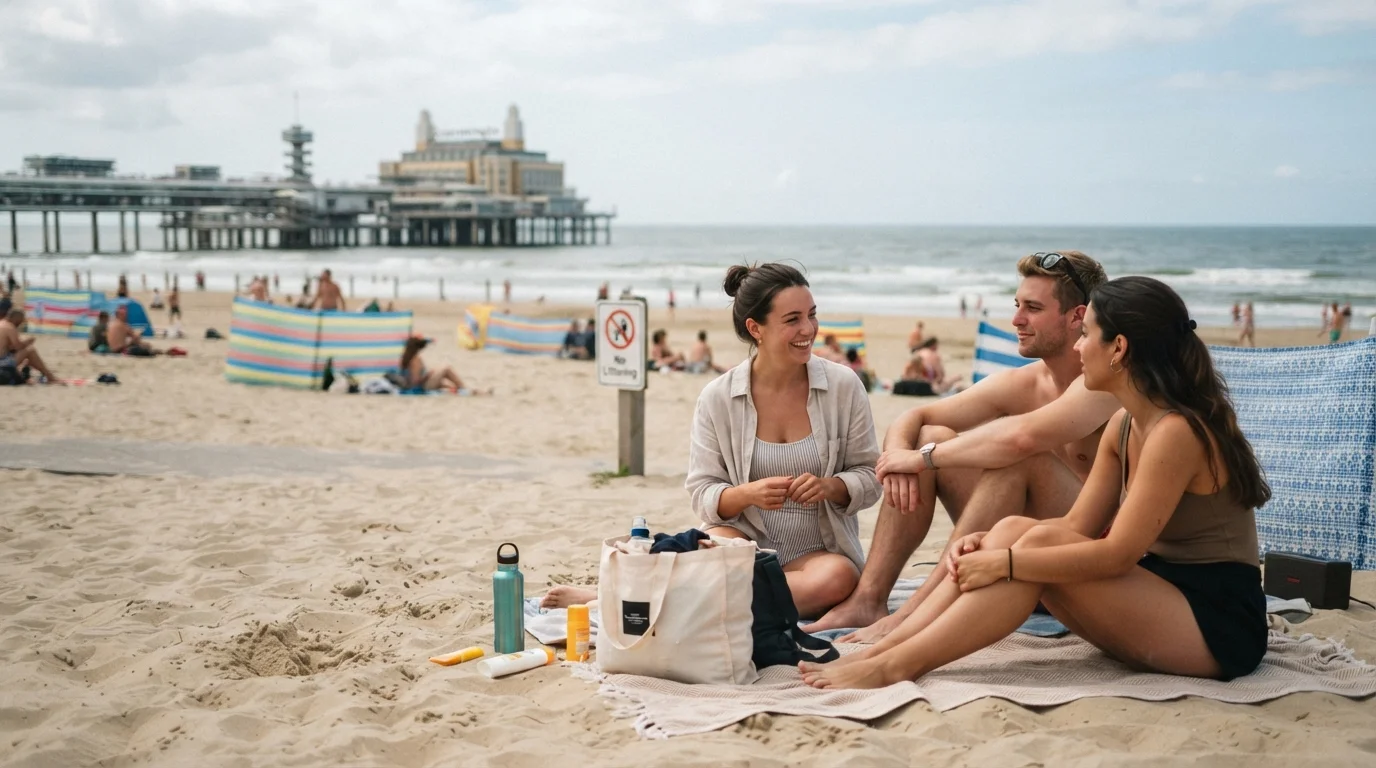
If you want to combine your park visit with a trip to the coast, make sure to read up on beach etiquette for expats to ensure a smooth, stress-free day by the North Sea.
To help you navigate these summer social scenes, we have compiled a list of essential Dutch words and phrases. Practicing these will help boost your confidence when ordering or chatting with locals.
Stepping onto a bustling terrace or joining a group of locals in the park can feel intimidating if you are still building your confidence in Dutch. That is where StroopTaal comes in.
StroopTaal is designed specifically for expats and language learners who want to transition from textbook Dutch to real-life, practical conversations. Instead of memorizing abstract sentences that you will never use, StroopTaal focuses on high-impact vocabulary and real-world scenarios.
Here is how StroopTaal helps you prepare for a summer of gezelligheid:
Summer in the Netherlands is a magical, fleeting time. The collective joy of the Dutch people reclaiming the outdoors is infectious. By stepping onto the terraces and laying down your picnic blanket in the parks, you are participating in the very heart of Dutch culture.
Do not let language barriers hold you back from experiencing this unique cultural phenomenon. Armed with a few key phrases, an open mind, and a willingness to embrace the cozy chaos of a packed terrace, you will find that gezelligheid is a language everyone can speak.
Ready to take your Dutch conversational skills to the next level this summer? Download the StroopTaal app today, start your personalized learning plan, and get ready to say "Proost!" to your new life in the Netherlands!
Share this article:
Introduction: The Magic of the Dutch Summer Ah, summer in the Netherlands! While the Dutch weather can be famously unpredictable, the moment the sun...
Read moreIntroduction: The Magic of the Dutch Summer Afternoon Imagine this: It is a warm Friday afternoon in July. The sun is shining bright over the canals...
Read moreAs the temperatures rise and the rare Dutch sun makes its glorious appearance, there is one destination that calls to almost everyone in the...
Read more