Healthcare for Expats in 2026: Dutch Insurance Guide
Welcome to the Dutch Healthcare System: An Expat’s Introduction Moving to the Netherlands is an exciting adventure filled with scenic canal walks,...
Read more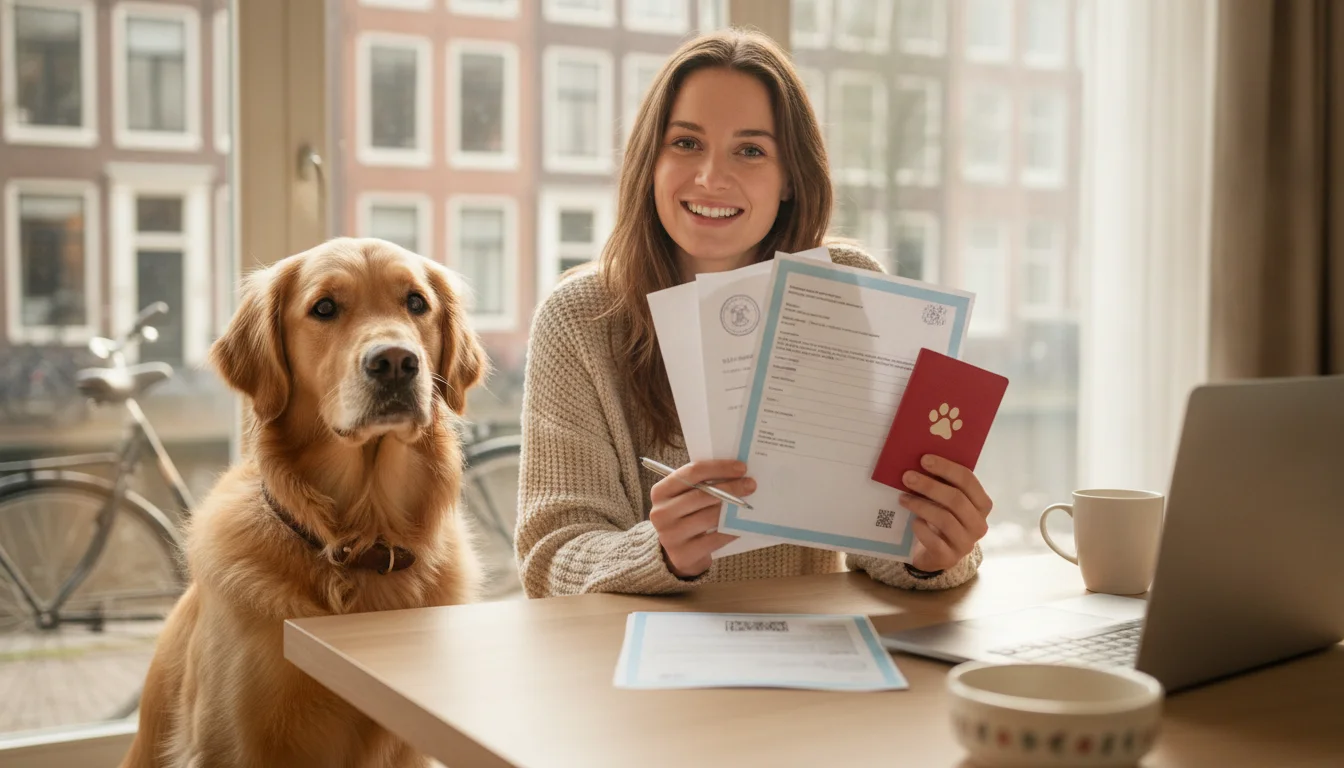
Moving to a new country is a massive milestone, but doing so with a beloved furry companion adds an extra layer of complexity. The Netherlands is famously pet-friendly, boasting dog-welcoming cafes, sprawling green parks, and well-behaved cats lounging in canal-side windows. However, behind this relaxed exterior lies a highly organized bureaucratic system. From mandatory microchip databases to municipal dog taxes, navigating Dutch pet regulations is a crucial step for any expat animal owner.
Whether you have just arrived in Amsterdam with your golden retriever or are planning a move to Utrecht with your tabby cat, understanding your legal obligations is vital. This comprehensive guide walks you through everything you need to know about registering your pet, paying local taxes, finding a vet, and mastering Dutch pet etiquette.
Before you can register your pet on Dutch soil, you must ensure they have legally entered the country. The rules for importing pets depend heavily on whether you are relocating from an EU member state or a non-EU country. The Netherlands Food and Consumer Product Safety Authority (NVWA) strictly enforces these import regulations to keep rabies and other infectious diseases out of the country.
To enter the Netherlands legally, your dog, cat, or ferret must meet the following criteria:
For detailed, up-to-date entry requirements based on your specific country of origin, always consult the official Government.nl guide prior to booking your travel.
Once you and your pet have safely landed, the real paperwork begins. In the Netherlands, registering your dog's microchip is not just recommended; it is a strict legal requirement. This rule was heavily updated in November 2021 to combat illegal puppy breeding and trade. All dogs imported into the country must be registered in an official database within 14 days of arrival.
While cat registration is not legally mandatory under national law, it is highly recommended. If your indoor cat slips out of your Dutch townhouse, a registered microchip is often the only way local animal shelters can reunite you.
To register your pet, you cannot simply fill out an online form yourself as an importer. You must take your pet to a local Dutch veterinarian (dierenarts) within your first two weeks. The vet will perform the following steps:
Setting up your pet's legal status is a foundational part of your relocation checklist, carrying a similar level of administrative importance as obtaining your BSN number when you first arrive in the country. Don't delay this visit, as failing to register an imported dog within the 14-day window can result in steep fines.
One of the biggest surprises for expat dog owners is the hondenbelasting (dog tax). Dating back to the 15th century—originally introduced to combat rabies and regulate stray populations—this tax is still levied by many local municipalities (gemeenten) today. Cats, rabbits, and other domestic pets are exempt from taxation.
Because the dog tax is managed at the municipal level, the cost varies wildly depending on where you live. Some cities have completely abolished the tax to reduce administrative burdens, while others charge significant annual fees that increase progressively with each additional dog you own.
If your municipality still charges this tax, you are legally required to declare your dog within 14 days of moving to your new address or acquiring the pet. You can easily do this online by logging into your local municipality's website (such as the DigiD portal for your gemeente). If you fail to register your dog and the municipality conducts a routine check (which they occasionally do by sending inspectors to knock on doors or patrol popular dog parks), you could face a hefty retroactive tax bill plus an administrative fine.
Finding a reliable veterinarian (dierenarts) should be at the top of your priority list. Dutch veterinary care is of an exceptionally high standard, and almost all veterinarians speak fluent English. However, when navigating emergencies or filling out medical forms, knowing a bit of Dutch can make a massive difference.
Here are a few essential Dutch pet care terms to add to your vocabulary:
To build your confidence before heading to the clinic, you can use the StroopTaal app. With its interactive dialogue games and real-life Dutch conversation practice with AI, you can practice explaining your pet's symptoms in Dutch without any stress. This is a fantastic way to transition your language skills from classroom basics to practical, real-world situations.
Additionally, consider signing your pet up for pet insurance (dierenverzekering). Veterinary care in the Netherlands can be expensive, particularly for specialized surgeries or emergency weekend visits. Having a basic policy ensures that your furry family member is always protected.
The Dutch value order, cleanliness, and mutual respect in public spaces. This ethos extends directly to how pets are managed in public. To ensure a harmonious relationship with your neighbors, you must familiarize yourself with local pet etiquette.
In most built-up areas, dogs must be kept on a leash at all times. This is known as the aanlijnplicht. If you want to let your dog run free, you must look for designated off-leash areas, known as a losloopgebied or hondenuitlaatplaats. These areas are usually clearly marked with signs showing an illustration of a running dog. Forested areas and beaches often have seasonal rules—for example, dogs might be allowed off-leash on beaches only during the autumn and winter months.
You must always clean up after your dog. Failing to clear up dog waste (hondenpoep) is a major social taboo and can result in a fine of over €150. When walking your dog, you are legally required to carry clean-up bags (poepzakjes) on your person. Municipal officers (BOAs) can stop you and ask to see your bags; if you cannot produce them, you can be fined on the spot.
Properly disposing of your pet's waste in public trash cans is a fundamental civic duty. Keeping the streets clean is highly prioritized in Dutch society, aligning closely with other public hygiene standards like the strict Dutch waste separation rules. Always tie your bags securely and place them in the designated public gray bins.
The Netherlands is incredibly accommodating when it comes to traveling with pets. Small dogs and cats traveling in a carrier bag or sitting on your lap can travel for free on all trains, buses, trams, and metros. For larger dogs on trains, you must purchase a special dog ticket (Dagkaart Hond) for a small flat fee, and they must remain on a leash and sit on the floor rather than on the passenger seats.
Having a pet is actually one of the fastest ways to integrate into your local Dutch community. The Dutch are passionate animal lovers, and a walk through a local park is an open invitation for friendly conversation. You will frequently hear passersby comment, "Wat een schatje!" (What a cutie!) or ask, "Mag ik hem aaien?" (May I pet him?).
In fact, regular trips to the local dog park or joining neighborhood pet-owner groups on social media can be a cornerstone of making friends in the Netherlands. It breaks down cultural barriers instantly, providing a shared topic of interest and a natural excuse to meet up for a coffee (and a pup cup) at a local pet-friendly cafe.
Registering your pet in the Netherlands might feel like a daunting task amidst the chaos of international relocation, but taking it step-by-step makes the process incredibly manageable. By securing their microchip registration, declaring them for the municipal dog tax, and finding a great local vet, you lay the foundation for a safe, happy, and legally compliant life for your pet.
As you settle into your new Dutch lifestyle, mastering the language will help you feel truly at home—whether you are chatting with fellow dog owners at the park or explaining a dietary issue to your vet. Download the StroopTaal app today to start practicing real-life Dutch dialogues, building your vocabulary, and unlocking the keys to a smooth, successful integration into Dutch life. Your pet—and your peace of mind—will thank you!
Share this article:
Welcome to the Dutch Healthcare System: An Expat’s Introduction Moving to the Netherlands is an exciting adventure filled with scenic canal walks,...
Read moreDemystifying the Dutch Loonstrook: An Expat's Guide Moving to a new country comes with a long list of bureaucratic milestones. You secure housing,...
Read moreIntroduction: The Freedom of the Dutch Road Moving to the Netherlands is an exciting adventure. You quickly learn to love the iconic Dutch windmills,...
Read more