Summer in the Netherlands: Best Outdoor Activities for Expats in June 2026
Embracing the Dutch Summer: Why June 2026 is Your Time to Shine When you think of the Netherlands, your mind might instantly conjure up images of...
Read more
You've arrived in the Netherlands, a country famous for its tulips, windmills, and refreshingly direct, English-speaking locals. You're settling in, you've figured out the public transport, and you've even braved your first Albert Heijn. Yet, one crucial piece of the puzzle might still be missing: a solid group of friends. It's a common experience for expats. The Dutch are incredibly friendly and helpful, but breaking into their established social circles can feel like trying to solve a particularly tricky puzzle. They have a word, 'gezellig', that perfectly encapsulates a feeling of coziness and conviviality, yet accessing that gezelligheid can be a challenge.
This isn't because they're unfriendly; it's a cultural nuance. Many Dutch people form tight-knit groups of friends (a 'kring') in childhood or university that last a lifetime. But don't despair! Building a fulfilling social life here is entirely possible. It just requires a different strategy—one that involves being proactive, understanding the local culture, and diving into the heart of Dutch society: the club life. This guide will walk you through the practical steps and cultural insights you need to go from a lonely expat to a well-connected resident.
Before diving into where to meet people, it's essential to understand the cultural landscape you're navigating. Two concepts are key: the 'kring' (circle) and the infamous Dutch directness.
As mentioned, the Dutch often have a core 'kring' of close friends. They see these friends regularly, but new additions to this inner circle are not made lightly. This means you likely won't become someone's best friend after one chat at a bar. Friendship is a slow burn, built on shared experiences over time. This is also tied to the Dutch love for planning. Spontaneity is not a strong suit. Don't be surprised or offended if you suggest getting a coffee and your new acquaintance pulls out their agenda to schedule it three weeks from now. This isn't a brush-off; it's how they operate. It means they are genuinely making time for you.
Dutch people are known for their directness. They will tell you exactly what they think, which can be jarring for those from more indirect cultures. Try to see this as a positive: you always know where you stand. There are no hidden meanings or passive-aggressiveness. They appreciate the same in return. Being clear, honest, and open will earn you respect.
If there is one golden ticket to making Dutch friends, it's joining a 'vereniging' (a club or association). The Netherlands has a rich tradition of club life, covering almost every imaginable hobby and interest. This is where people with shared passions connect, and it’s the most natural way to build the repeated, informal contact that blossoms into friendship.
The Dutch are an active people, and sports clubs are a massive part of the social fabric. Whether you're a seasoned athlete or a complete beginner, there's a club for you.
Pro Tip: The most important part of a sports club is often the 'derde helft' (the third half). This is the post-match socializing in the clubhouse (the 'kantine') with a beer and a plate of 'bitterballen'. This is where the real bonding happens, so don't skip it!
If sports aren't your thing, don't worry. The options are endless.
While clubs are a fantastic starting point, there are many other ways to build your social network. The key is to put yourself in situations where you can meet people regularly.
Giving back to your new community is not only rewarding but also an excellent way to meet like-minded people. You can find opportunities on platforms like NLvoorelkaar or via your local municipality ('gemeente'). Consider helping at a local festival, a petting zoo ('kinderboerderij'), or a nature conservation project. You'll be working alongside locals who share your values.
Learning Dutch is perhaps the single most important step you can take towards integration. While many Dutch people speak flawless English, making an effort to speak their language opens up a new level of connection and respect. Attending a 'taalcafé' (language cafe), often hosted by local libraries, is a fun, informal way to practice and meet both locals and fellow learners. While apps like StroopTaal are fantastic for building your core language skills with features like AI conversation practice and pronunciation feedback, applying those skills in a real 'taalcafé' can supercharge your confidence and help you make friends.
Platforms like Meetup.com and Internations are very active in the Netherlands, with groups for everything from hiking and international dinners to professional networking. Facebook is also full of city-specific expat groups. These are great for finding your footing and meeting people in the same boat as you. While these groups are a valuable resource, make an effort to also venture into Dutch-speaking environments to truly integrate. Exploring different communities can also help you find the perfect place to live, whether you're looking for vibrant city life or a quieter spot that's still great for families, as many Dutch cities beyond Amsterdam offer fantastic quality of life.
Okay, you've found a club or a group. Now what? Here are some final tips to turn acquaintances into friends.
Making friends in the Netherlands as an expat is a marathon, not a sprint. It requires patience, proactivity, and a willingness to step out of your comfort zone and into the heart of Dutch culture. By understanding the social norms, embracing the 'vereniging' culture, and making a genuine effort with the language, you can transform your experience from one of quiet observation to one of active, 'gezellig' participation.
The connections are there to be made. You just need to take the first step, send that message, and schedule that coffee—even if it's three weeks from now. Your future Dutch friends are waiting.
Ready to break the language barrier and unlock a new social world? Download the StroopTaal app today and start your personalized journey to Dutch fluency with AI-powered lessons and real-life conversation practice!
Share this article:
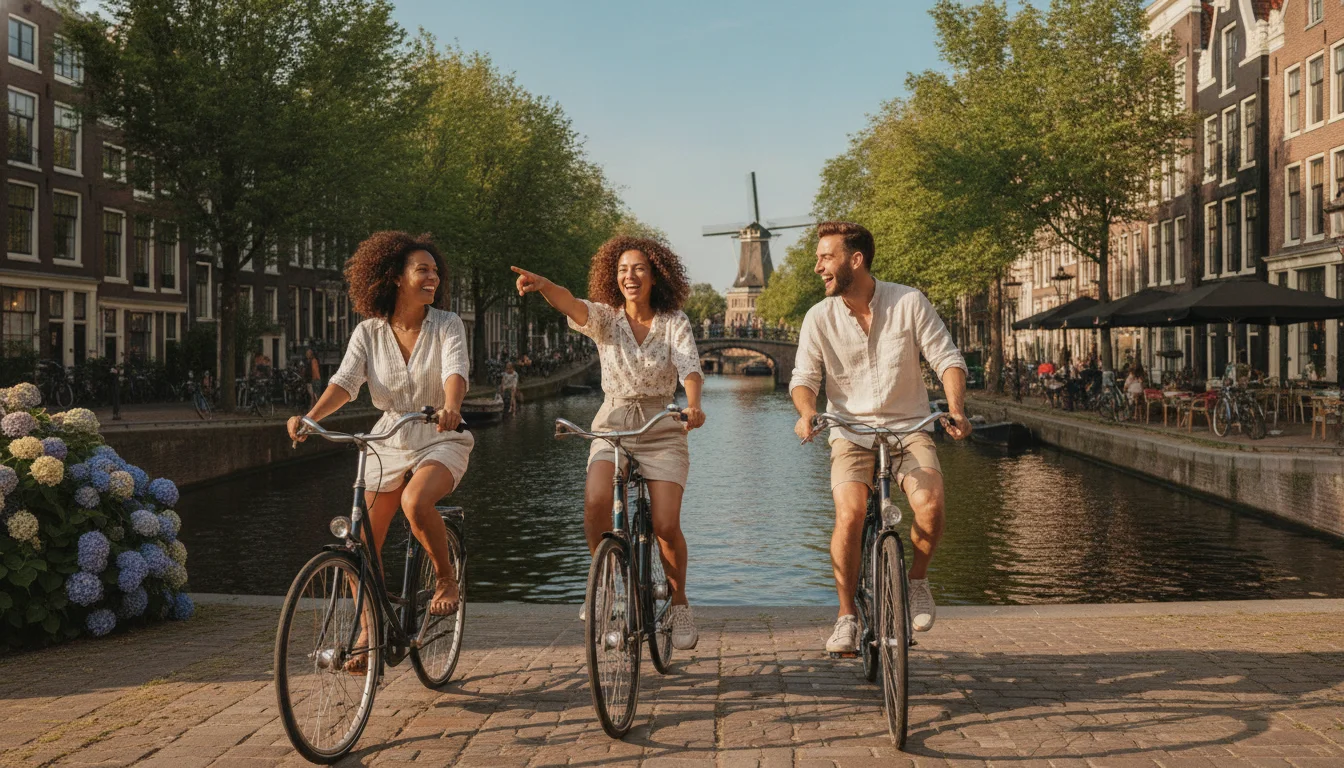
Embracing the Dutch Summer: Why June 2026 is Your Time to Shine When you think of the Netherlands, your mind might instantly conjure up images of...
Read moreWelcome to the Netherlands! Now, Let's Talk About Money Moving to the Netherlands is an exhilarating adventure. You're picturing picturesque canals,...
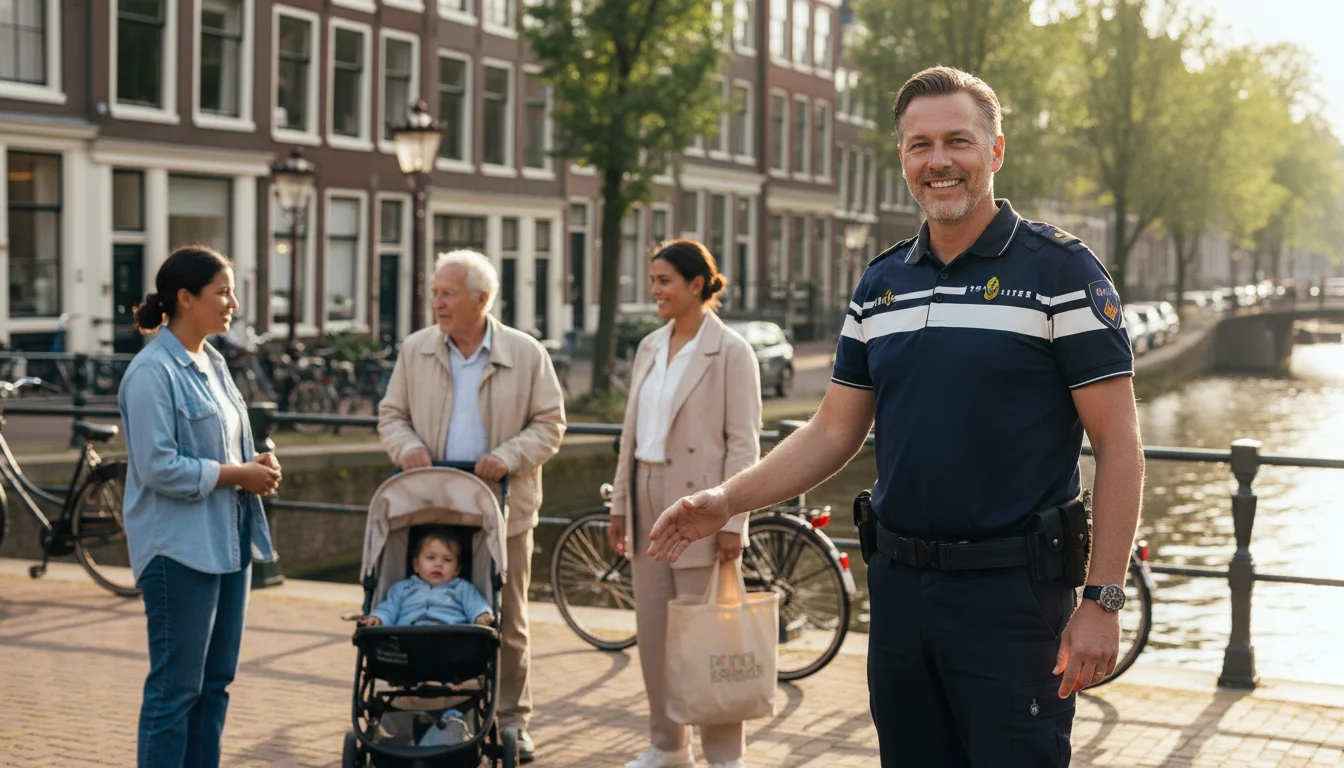
Read moreYour Guide to the 'Wijkagent': The Friendly Face of Dutch Policing You’ve just moved into your new Dutch neighborhood. You’re learning to...
Read more