Dutch Banking Fees Explained: Best Accounts for Expats
Welcome to the Cashless Kingdom: An Introduction to Dutch Banking Moving to the Netherlands is an exciting adventure. You are likely anticipating...
Read more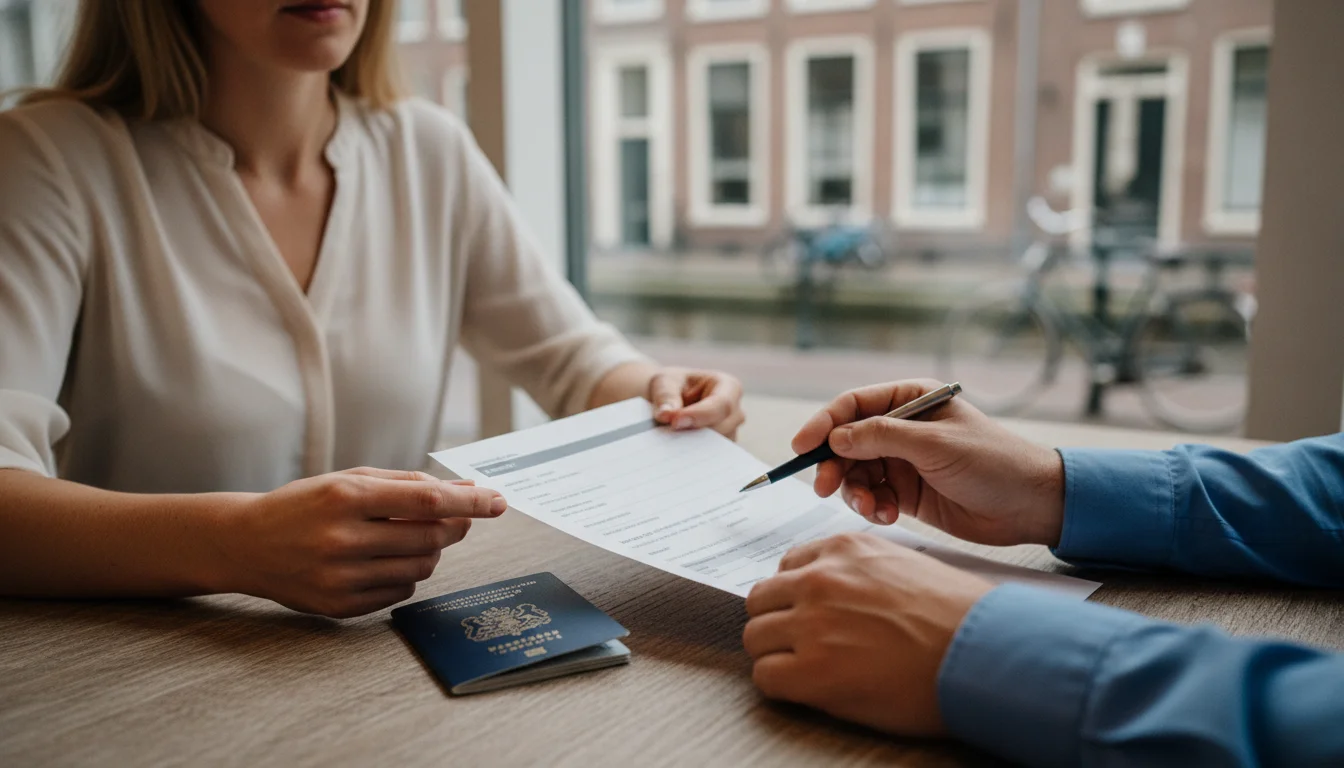
Moving to the land of windmills, tulips, and bicycles is an exciting adventure. However, before you can fully settle down, rent an apartment, start your dream job, or even open a local bank account, there is one crucial piece of Dutch administration you must conquer: obtaining your Burgerservicenummer (BSN). Think of the BSN (Citizen Service Number) as your personal administrative key. Without it, your life as an expat in the Netherlands will effectively be on pause.
Navigating the administrative steps of a new country can feel overwhelming, especially when confronted with unfamiliar terms and procedures. Fortunately, getting your BSN is a structured process. In this comprehensive guide, we will walk you through everything you need to know about getting a BSN as an expat, from understanding what it is to booking your appointment and preparing your documents. We will also share practical tips on how to handle the language barrier and settle into your new Dutch life smoothly.
The Burgerservicenummer (BSN) is a unique personal identification number issued by the Dutch government to everyone registered in the personal records database, known as the Basisregistratie Personen (BRP). It serves as your tax number, social security number, and general identification number for all government-related matters.
You cannot avoid getting a BSN if you plan to live, work, or study in the Netherlands. You will need your BSN for almost every essential service, including:
According to the official Dutch Government website, anyone who intends to stay in the Netherlands for more than four months is legally required to register with their local municipality (gemeente) within five days of arrival, which automatically triggers the generation of your BSN.
Before booking your appointment, you must determine which category of registration applies to your situation. The Dutch system distinguishes between short-term visitors and long-term residents.
If you plan to live in the Netherlands for more than four months, you must register in the BRP. This registration must take place at the municipality (gemeente) where you will be living. Once registered, you will receive a permanent Dutch BSN. This is the path most expats, international students, and highly skilled migrants take.
If you are moving to the Netherlands for less than four months—for example, for a short contract, seasonal work, or a temporary study program—you should register in the Non-Residents Records Database (RNI). You can do this at one of the 19 designated RNI municipalities across the country. You will receive a temporary BSN, which is identical in format to a regular BSN but indicates you are not a permanent resident.
For most expats, registering in the BRP is the standard route. Here is the step-by-step process to secure your BSN successfully.
You cannot register in the BRP without a valid residential address. The municipality requires proof that you live at the address you are registering. This means you must have a signed rental contract or a permission statement from the primary tenant or homeowner. When searching for housing, always ask the landlord: 'Is registration possible at this address?' If the answer is no, avoid renting it, as unregistered living is illegal and will prevent you from getting your BSN. If you are starting your search in the political capital, consult our guide on expat housing in The Hague for tips on finding registration-friendly rentals.
As soon as you have a confirmed address and arrival date, book your registration appointment. Do not wait until you arrive in the country, as appointment slots at popular municipalities like Amsterdam, Rotterdam, Utrecht, and The Hague can be booked out weeks in advance. You can book this appointment online via the website of your local municipality (e.g., Gemeente Amsterdam, Gemeente Den Haag). Look for the option 'First registration from abroad' (Eerste inschrijving vanuit het buitenland).
Arriving at your appointment without the correct documentation is the most common reason registrations are delayed. Make sure you have the following documents printed and ready:
On the day of your appointment, arrive at the municipal office (Stadhuis or Stadsloket) on time. The appointment itself is usually straightforward. A municipal officer will verify your identity, scan your documents, and register your address in the system.
While municipal employees are generally fluent in English, showing that you are trying to learn the local language is always highly appreciated! Utilizing an app like StroopTaal can give you the confidence to exchange pleasantries in Dutch. StroopTaal's pronunciation training with instant feedback and interactive dialogue games are perfect for practicing real-life scenarios, such as introducing yourself at the town hall.
In most cases, you will receive your BSN on the spot at the end of your appointment, printed on a formal registration document. In some municipalities or more complex cases, it may be sent to your registered address by post within 10 to 14 business days.
The Dutch are famous for their efficiency, but they are also strict sticklers for rules. Dealing with foreign documents can sometimes lead to bureaucratic hurdles. For example, if your birth certificate was issued in a country outside the EU, you will likely need to have it legalized. This process proves that your document is genuine and legally valid in the Netherlands. Depending on your country, this may involve getting an Apostille stamp or visiting your home country's Ministry of Foreign Affairs and the Dutch Embassy.
If you ever feel overwhelmed by the paperwork, you are not alone. Our comprehensive Dutch Bureaucracy Guide offers practical advice on tackling official letters, deciphering complex forms, and understanding the administrative culture of the Netherlands.
Congratulations! You have your BSN. Now, you can unlock the full expat experience. Here are the immediate next steps you should take:
Your DigiD (Digital Identity) is your secure login portal for all Dutch government services, tax offices, pension funds, and insurance companies. Once you have your BSN, go to the DigiD website and apply. They will send an activation code to your registered address within a few days.
With your BSN, you can open a traditional bank account (like ING, Rabobank, or ABN AMRO) or an online-only account (like Bunq). This is essential for receiving your salary, paying rent, and setting up direct debits for utilities.
By law, everyone who lives or works in the Netherlands must take out basic Dutch health insurance (basisverzekering) within four months of registering. You will need your BSN to sign up for a policy.
If you move to a new house within the Netherlands, you must report your move to your new municipality. They will update your records in the BRP, and your BSN will stay the same. If you decide to leave the Netherlands permanently, you must deregister (uitschrijven) at your local municipality. This is a crucial step to officially stop your Dutch tax liabilities and cancel your health insurance policy.
Getting your BSN is the first major milestone of your expat journey in the Netherlands. It transforms you from a visitor into an official resident. While the administrative steps might seem daunting at first, following this guide will ensure a smooth, stress-free registration process.
As you settle into your new life, you will quickly realize that while English is widely spoken, learning Dutch is the key to truly feeling at home, making local friends, and building a community. This is where StroopTaal comes in. Designed specifically for expats and language learners, StroopTaal offers AI-powered personalized learning plans, cultural lessons about Dutch customs, and vocabulary building with spaced repetition to help you go from A0 to C1 level at your own pace. Download StroopTaal today to master the Dutch language and confidently navigate your new life in the Netherlands!
Share this article:
Welcome to the Cashless Kingdom: An Introduction to Dutch Banking Moving to the Netherlands is an exciting adventure. You are likely anticipating...
Read moreEmbracing the Dutch Summer: Why June 2026 is Your Time to Shine When you think of the Netherlands, your mind might instantly conjure up images of...
Read moreThe Dutch Paradox: Friendly People, Hard-to-Enter CirclesYou've arrived in the Netherlands, a country famous for its tulips, windmills, and...
Read more