Dutch Supermarket Loyalty Cards: Albert Heijn vs Jumbo Perks
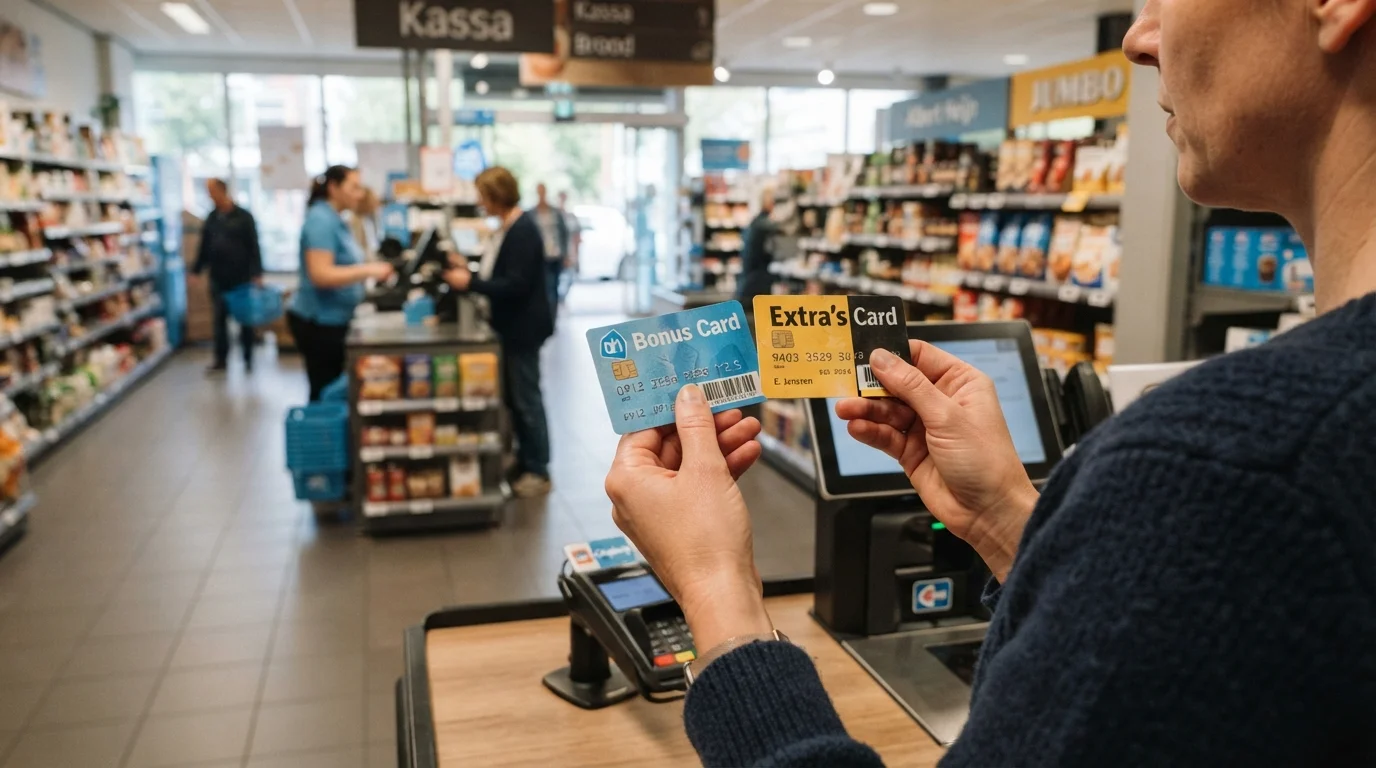
If you have recently moved to the Netherlands, your first trip to a local supermarket probably came with a mild shock at the checkout. You might have...
Read more
This article was written by AI and published by StroopTaal.
AI can get things wrong. For anything official, check the source it points to.
AI-generated image
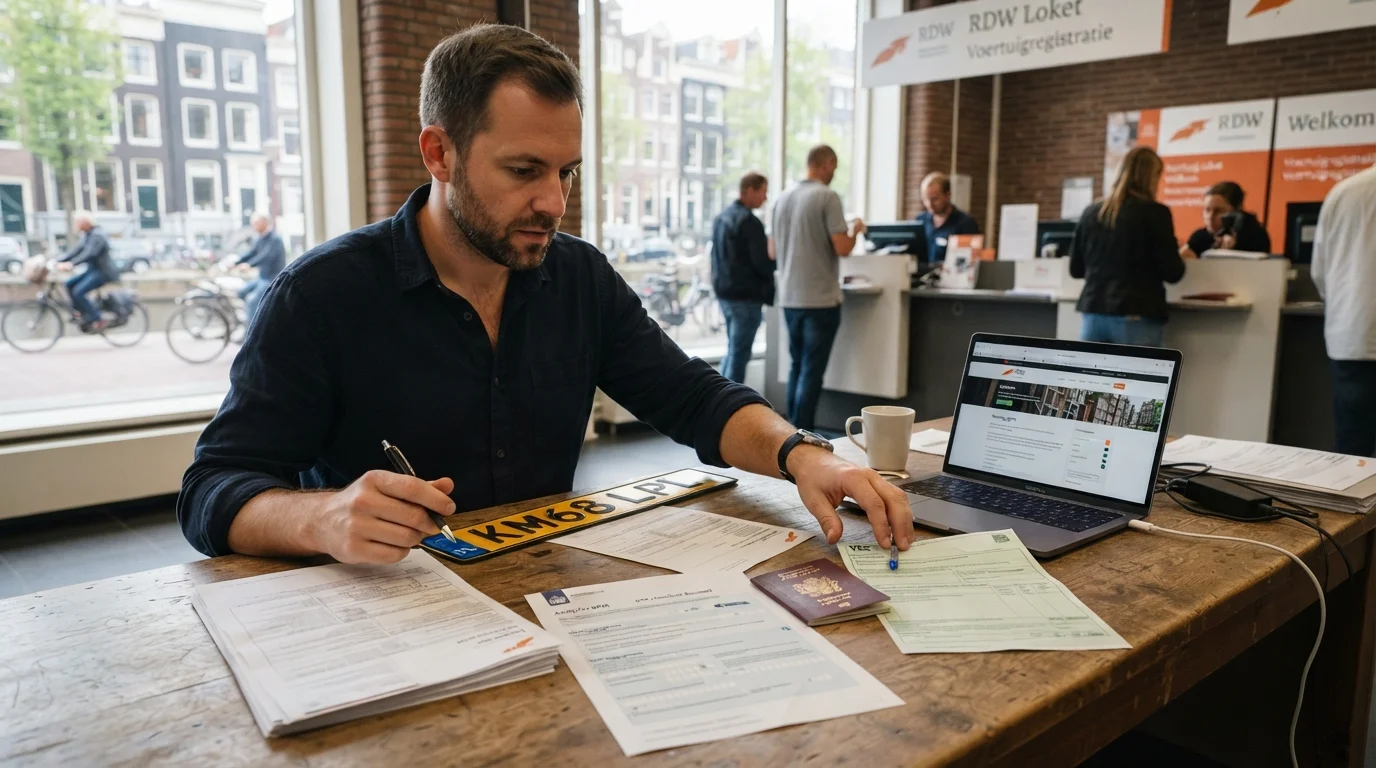
Relocating to the Netherlands is filled with milestones: finding a house, getting a BSN, picking out your commuter bicycle, and settling into Dutch life. However, if you decide to bring your own vehicle from abroad, you face one of the country's most bureaucratic processes: car importation, RDW technical checks, and calculating the infamous BPM car tax.
While the Netherlands is internationally renowned for its world-class cycling infrastructure and reliable public transit, having a personal car offers unmatched freedom for exploring rural provinces, crossing borders to Belgium or Germany, and managing family errands. To help you navigate the process seamlessly, this comprehensive guide walks you through every step of importing, inspecting, taxing, and registering your foreign car in the Netherlands.
The rules regarding foreign vehicles depend directly on your residency status. As a tourist or short-term visitor, you can drive a foreign-registered car for up to six months. However, the moment you register at your local municipality (Gemeente) and enter the Dutch Personal Records Database (BRP), the landscape shifts.
By Dutch law, residents are required to register their vehicles on Dutch license plates (geel kenteken) and pay Dutch motor vehicle tax (motorrijtuigenbelasting or MRB) as well as private motor vehicle and motorcycle tax (belasting van personenauto's en motorrijwielen, commonly abbreviated as BPM). Driving a foreign-plated vehicle on Dutch roads as a registered resident without notifying the tax authorities can result in hefty retroactive tax assessments and severe penalties from the Belastingdienst (Dutch Tax and Customs Administration).
BPM is a luxury and emissions tax that can make buying or importing a car in the Netherlands quite expensive. Fortunately for most international arrivals, the Dutch government offers an exemption called Vrijstelling van bpm bij verhuizing (Exemption from BPM as removal goods).
To import your vehicle completely free of import duties, VAT (btw), and BPM, you must satisfy strict conditions set by Dutch Customs (Douane) and the Belastingdienst:
To claim this exemption, you must submit the application form Aanvraag vrijstelling bpm - verhuisgoederen to the tax office, accompanied by supporting documentation such as your previous rental or purchase contract abroad, deregistration papers, foreign vehicle registration, and work contract.
Once you understand your tax obligations, the practical registration journey begins with the RDW (Netherlands Vehicle Authority). Follow these exact steps to obtain your Dutch license plates.
Before scheduling an appointment, assemble all necessary paperwork in an organized folder:
Navigate to the official RDW website and book an appointment for an import inspection (invoerkeuring) at a regional RDW testing station (RDW-keuringsstation). Choose a location closest to your Dutch residence.
Pro Tip for Driving to the Inspection: If your foreign insurance or foreign registration has expired, you can apply online for a free one-day registration certificate (eendagskenteken) from the RDW. This temporary plate allows you to drive the car legally in the Netherlands directly to and from the RDW inspection center on that specific date.
On the day of your appointment, drive to the RDW test center. The inspector will verify your vehicle identification number (VIN/chassis number), match engine specifications, assess emissions, and verify safety components. You can also request an immediate APK (Algemene Periodieke Keuring)—the mandatory periodic vehicle safety inspection—during the same visit. If your car has a valid roadworthiness certificate from another EU country, the RDW can often transfer that validity directly.
Immediately after the RDW completes the physical verification, you must submit your digital or paper BPM tax declaration to the Belastingdienst. Even if you hold an official BPM exemption permit, you must file the tax return to calculate the baseline value of the vehicle on paper and indicate your approved exemption permit code. If you do not qualify for the exemption, you will receive a tax assessment specifying the amount due based on the vehicle's CO2 emissions and depreciation scale.
Once the Belastingdienst confirms receipt of your BPM payment (or approves your exemption), the RDW receives digital clearance and mails your official Dutch registration card (Kentekencard) along with a separate letter containing the registration code (tenaamstellingscode). Keep the card in your wallet while driving and store the code securely at home.
The RDW issues registration paperwork, not physical metal plates. Take your newly received Kentekencard and photo ID to an officially authorized license plate manufacturer (kentekenplaatfabrikant). They will press your official yellow Dutch plates with raised letters while you wait (usually costing between €30 and €50 for a pair) and affix the official hologram stamp.
In the Netherlands, third-party liability coverage (WA-verzekering) is compulsory the second a car is registered in your name. You must take out insurance before driving the vehicle on public roads with its new Dutch plates. When contacting Dutch insurance providers, ask for proof of your foreign claim-free years (schadevrije jaren) from your previous insurer to qualify for substantial no-claim discounts.
Navigating the RDW, insurance companies, and repair garages requires a specific set of administrative vocabulary. Here are the essential Dutch terms you will encounter throughout this journey:
If you find dealing with Dutch bureaucratic terminology daunting, practicing language skills beforehand makes phone calls to insurers and in-person discussions at the RDW far less stressful. With the StroopTaal app, you can use interactive dialogue games and AI-powered personalized learning plans to master practical scenarios—like asking a mechanic about your APK status or speaking with administrative offices in clear Dutch.
Once your car is officially sporting yellow plates, ensure you budget for ongoing vehicle maintenance and mandatory taxes:
Road tax is calculated automatically by the Belastingdienst based on the vehicle's unladen weight, fuel type (petrol, diesel, LPG, hybrid, or full electric), and the province in which you reside. Electric vehicles enjoy reduced or zero-emission tax rates, whereas heavy diesel vehicles incur surcharges (fijnstoftoeslag). Payments can be set up via automated direct debit.
New petrol passenger cars generally require their first APK after four years, then every two years, and annually once they reach eight years old. Diesel cars typically require an APK after three years and annually thereafter. Driving with an expired APK carries automatic automated camera fines from the RDW.
If you live in major urban areas like Amsterdam, Rotterdam, The Hague, or Utrecht, street parking is strictly regulated. You must apply through your local municipality for a resident parking permit (bewonersparkeervergunning), which often has a waiting list depending on the neighborhood.
Staying organized is critical when managing Dutch vehicle paperwork. To ensure your paperwork remains in perfect order, keep these administrative tasks in mind:
Before embarking on the process, evaluate whether importing your vehicle makes financial sense:
| Scenario | Importing Makes Sense? | Key Consideration |
|---|---|---|
| Eligible for BPM Exemption | Yes, highly recommended | You avoid significant tax fees; only pay modest inspection and plate fees (~€150–€200). |
| Older/High-Emission Car (No Exemption) | Usually No | BPM and monthly road tax for high CO2/heavy diesel vehicles can easily exceed the car's market value. |
| Right-Hand Drive (UK) Vehicle | Situational | Headlights must be adjusted/replaced for driving on the right; lower resale value in continental Europe. |
Registering a car in the Netherlands might seem intimidating with its various forms, RDW checks, and tax conditions, but taking it step by step ensures a smooth transition. Once your yellow plates are mounted and your road tax is set up, you are ready to explore the stunning dunes, historic towns, and scenic countryside of your new home.
Settling into Dutch society involves mastering both the systems and the language. Whether you want to negotiate with an auto mechanic, talk to the RDW on the phone, or prepare for the inburgering exam, building your Dutch skills opens every door. Download StroopTaal today to practice real-life Dutch conversations, sharpen your everyday pronunciation with instant AI feedback, and conquer Dutch life with complete confidence!
Share this article:
If you have recently moved to the Netherlands, your first trip to a local supermarket probably came with a mild shock at the checkout. You might have...
Read moreMoving into a new Dutch home is an exciting milestone, whether you have just signed a lease on a historic canal house or bought a modern apartment....
Read moreRaising children in the Netherlands comes with world-class facilities, safe cycling paths, and nurturing daycares. However, Dutch childcare...
Read more