How to Buy a Used Bike in Amsterdam Without Getting Scammed
Arriving in Amsterdam and buying your first two-wheeled steed is practically a rite of passage. Cycling isn't merely a hobby or exercise in the...
Read more
This article was written by AI and published by StroopTaal.
AI can get things wrong. For anything official, check the source it points to.
AI-generated image
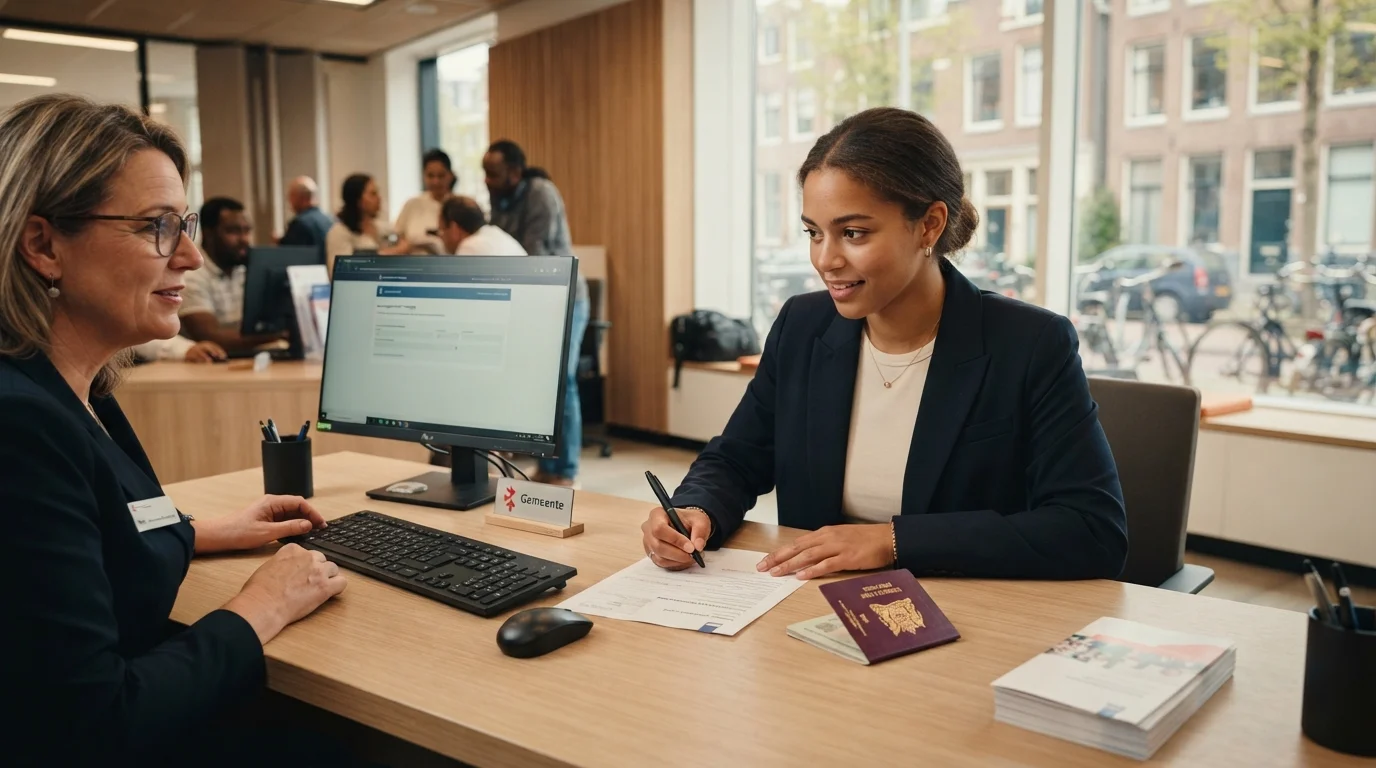
Moving to the Netherlands is an exhilarating adventure. Between picturesque canals, cycling cultures, and delicious stroopwafels, there is plenty to look forward to. However, before you can truly settle down and enjoy life in your new Dutch home, there is one crucial administrative hurdle you must clear first: registering in the Basisregistratie Personen (BRP).
The BRP registration is the master key to your legal life in the Netherlands. Without it, you cannot obtain a Citizen Service Number (Burgerservicenummer or BSN), open a Dutch bank account, take out mandatory health insurance, or legally work. In this comprehensive guide, we will walk you through everything you need to know about the BRP registration process, required documentation, common pitfalls, and the essential Dutch vocabulary you will need for your municipal appointment.
The Basisregistratie Personen (BRP) translates literally to the 'Personal Records Database'. Managed by the Dutch Government and local municipalities (gemeenten), it contains the vital personal details of every resident living in the Netherlands, as well as non-residents who have an official relationship with the Dutch state.
The BRP records details such as your full legal name, date and place of birth, marital status, nationality, current residential address, immigration status, and parentage. According to official guidelines from Government.nl, any foreign national intending to live in the Netherlands for more than four months within a six-month period is legally obligated to register in the BRP within five days of arrival.
Registering in the BRP is not just a bureaucratic formality; it triggers the creation of your Burgerservicenummer (BSN). Your BSN is your unique tax and social security number. You will need your BSN for almost every official transaction in the Netherlands, including:
A frequent point of confusion for newcomers is the distinction between registering in the BRP and registering in the RNI (Registratie Niet-Ingezetenen).
If you are relocating for work, university, or long-term family reunification, you must register as a resident in the BRP.
You cannot register in the BRP without a legitimate residential address where municipal registration is legally permitted. In Dutch rental listings, you will often see terms like "inschrijving mogelijk" (registration possible). Always verify this before signing any lease or paying a deposit. Subletting arrangements or short-term vacation rentals often forbid registration, which will leave you in administrative limbo.
Registration cannot be done online for your first entry into the country. You must schedule an in-person appointment (afspraak maken) at the town hall (stadskantoor or gemeentehuis) of the municipality where you live. In high-demand cities like Amsterdam, Utrecht, The Hague, or Rotterdam, appointment slots fill up weeks in advance. As soon as you confirm your travel dates and rental address, book your appointment online on your municipality's official website.
Showing up with incomplete documents is the most common reason expat registrations are delayed. Make sure you gather all required originals and certified copies well in advance.
Arrive 10 to 15 minutes early for your appointment. Bring all requested documents in a dedicated folder. If you are moving with a spouse, partner, or children, every family member (including infants) must attend the municipal appointment in person so their identity can be verified by the civil registrar (ambtenaar van de burgerlijke stand).
In many municipalities, you will be handed your BSN document directly at the end of your appointment. In other municipalities, you will receive a formal confirmation of registration containing your BSN by post within 5 to 10 working days.
Before heading to your municipal appointment, double-check that you have the following paperwork ready:
Due to the competitive Dutch housing market, some landlords offer cheaper apartments under the condition: "Geen inschrijving mogelijk" (No registration possible). This is usually illegal and indicates an unauthorized sublet, overcrowding violations, or tax evasion by the landlord.
Renting a property where you cannot register leaves you vulnerable. You will not get a BSN, you cannot buy health insurance, you risk municipal fines up to €325, and you may even compromise your residence permit status. Always insist on a contract with valid BRP registration rights.
While municipal civil servants in major Dutch cities generally speak fluent English, showing an effort to speak basic Dutch is greatly appreciated and makes your appointment smoother. Here are key terms and phrases you should know:
Here are three practical sentences you can use during your visit:
If you want to practice real-life municipal dialogues before your appointment, StroopTaal offers interactive dialogue games and pronunciation training powered by AI. You can simulate booking appointments, speaking with civil servants, and asking administrative questions in a stress-free environment.
Once your BRP registration is finalized and you have your BSN, several critical administrative steps unlock immediately:
Your DigiD (Digital Identification) is your secure online identity for all Dutch government services, pension funds, municipal portals, and healthcare providers. Once your BSN is registered in the system, you can set up your Dutch DigiD online within minutes.
Under Dutch law, you have four months from your arrival date to take out mandatory Dutch basic health insurance (basisverzekering). It will backdate to your official date of entry or BRP registration, so do not delay securing a policy.
Within a few weeks of registration, you will receive official letters welcoming you to the municipality, details about local waste taxes (afvalstoffenheffing), and water authority assessments. Learning how to handle Dutch municipal mail and official letters will save you from surprise collection notices down the road.
Bureaucratic processes like BRP registration can feel daunting, but mastering everyday administrative Dutch is one of the fastest ways to feel truly at home in the Netherlands. Beyond paperwork, speaking the language opens doors to friendships, career advancements, and seamless integration.
With StroopTaal, you can accelerate your language learning through bite-sized grammar lessons from A0 to C1, cultural insights into Dutch customs, and vocabulary building with spaced repetition. Whether you are preparing for your inburgering integration exams or simply wanting to greet your municipal registrar in fluent Dutch, daily practice will give you the confidence to thrive.
Completing your BRP registration is a monumental milestone in your expat relocation. By securing a registered address, gathering properly legalized vital documents, and booking your gemeente appointment early, you can avoid unnecessary delays and kick off your Dutch journey on the right foot.
Take charge of your administrative setup today, practice your Dutch vocabulary, and enjoy everything your new municipality has to offer!
Share this article:
Arriving in Amsterdam and buying your first two-wheeled steed is practically a rite of passage. Cycling isn't merely a hobby or exercise in the...
Read moreIf you have recently moved to the Netherlands or are navigating Dutch administrative life for the first time, you have likely encountered the term...
Read moreIf you have recently moved to the Netherlands, your first trip to a local supermarket probably came with a mild shock at the checkout. You might have...
Read more