How to Buy a Dutch Bike: New vs. Secondhand Guide 2026

This article was drafted by AI and edited by a person before it was published.

AI can get things wrong. For anything official, check the source it points to.

How StroopTaal uses AI

AI-generated image

How to Buy a Dutch Bike: New vs. Secondhand Guide 2026

Welcome to the Netherlands: Your Cycling Adventure Begins

There are a few things that scream 'I live in the Netherlands' more than owning a bicycle. It’s not just a mode of transport; it’s a cultural cornerstone, a daily ritual, and your ticket to true integration. From suited-up professionals commuting to work to parents ferrying multiple children in a 'bakfiets', the bicycle, or 'fiets', is the great equalizer. For any expat, acquiring your first Dutch bike is a rite of passage. But this exciting step comes with a crucial question: should you buy a shiny new bike or embrace the local tradition of a trusty secondhand steed? This guide will navigate you through the bustling world of Dutch bike buying, ensuring you make the best choice for your needs and budget.

The Great Debate: New 'Fiets' vs. Secondhand 'Tweedehands'

Choosing between a new and a used bike is the first major decision on your cycling journey. Both options have significant pros and cons, especially for an expat navigating a new country. Let's break it down.

The Case for a Brand New Bike

Walking into a 'fietsenwinkel' (bike shop) and picking out a brand new bicycle can be a thrilling experience. The smell of fresh rubber, the gleam of untouched paint, and the promise of a smooth, hassle-free ride are very appealing.

  • Reliability and Warranty: This is the biggest advantage. A new bike comes with a manufacturer's warranty and often a service package from the shop. You can be confident that every part is in perfect working order, which is a huge relief when you're still figuring out the local geography.
  • Modern Features: New bikes come with the latest technology. Think integrated lights powered by a dynamo hub, smoother gear systems, and better-quality locks. If you're considering an e-bike ('elektrische fiets'), buying new is almost always the safer bet for battery health and motor longevity.
  • Less Immediate Hassle: You buy it, you ride it. There's no need for initial repairs or tune-ups. It's ready to go as soon as you leave the store.

However, there are downsides:

  • Cost: A new, decent quality city bike (a 'stadsfiets') can start from €400 and go well over €1000. This is a significant initial investment.
  • Theft Target: A shiny new bike is a magnet for thieves. Bike theft is rampant in the Netherlands, and a new bike makes for a more attractive prize.
  • Depreciation: Like a new car, a new bike loses a chunk of its value the moment you ride it out of the shop.

Embracing the Dutch Way: The Secondhand Bike

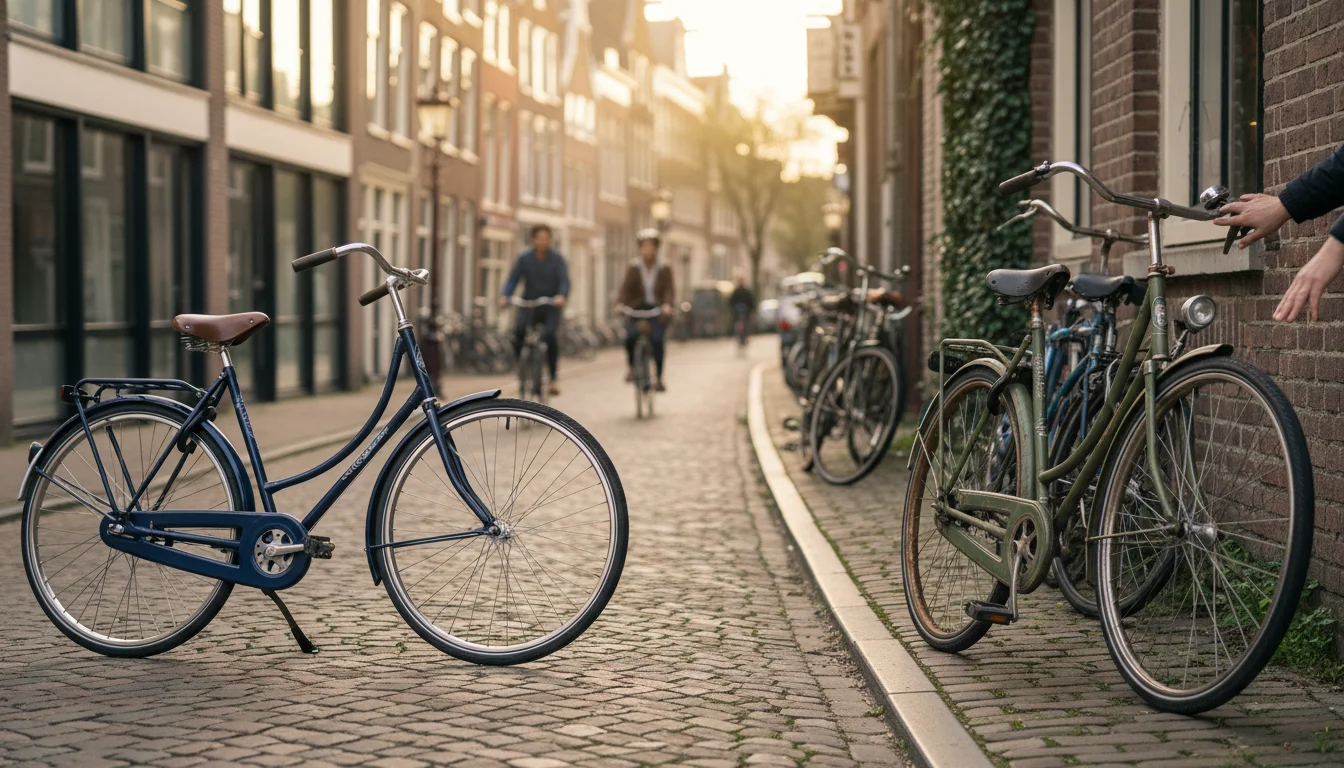
Most locals and seasoned expats will tell you that a secondhand bike is the 'real' Dutch way. There’s a certain charm to a slightly battered, well-loved bicycle that doesn't scream "tourist!"

  • Affordability: This is the number one reason. You can get a perfectly functional secondhand bike for anywhere between €80 and €250. This frees up your budget for other essential expat expenses.
  • Theft Deterrent: The 'uglier the better' philosophy is a genuine survival strategy here. A bike with a few scratches and a bit of rust is far less appealing to thieves. You'll worry less about parking it at the train station.
  • Sustainability: Giving an old bike a new life is an environmentally friendly choice.

But be prepared for the trade-offs:

  • Hidden Problems: The bike might look fine, but it could have underlying issues with the gears, bottom bracket, or wheel alignment that you won't notice on a short test ride.
  • No Warranty: Once you buy it, it's yours, problems and all. Any repairs will be out of your own pocket.
  • Risk of Buying Stolen Goods: The cheap bike market is unfortunately fueled by theft. It's crucial to know how to avoid purchasing a stolen bicycle.

Your Ultimate Checklist for Buying a Secondhand Bike

If you've decided to go the secondhand route, congratulations! You're about to embark on a Dutch treasure hunt. To ensure you get a gem and not a dud, use this checklist. Knowing the right vocabulary is a huge help here. Practicing terms like 'remmen' (brakes), 'versnellingen' (gears), and 'verlichting' (lights) in the StroopTaal app’s AI conversation practice can give you the confidence to ask the right questions and inspect the bike like a local.

Where to Look:

  • Marktplaats.nl: The Dutch equivalent of eBay or Craigslist. It's the largest source, but you need to be cautious.
  • Facebook Marketplace & Expat Groups: Often a good source as expats leaving the country sell their belongings.
  • Local 'Fietsenwinkels': Many bike shops sell refurbished secondhand bikes. They are a bit more expensive but have been checked by a mechanic, offering a safer bet.
  • AFAC/Fietsdepot: These are official city depots that sell bikes that were removed for being parked illegally and never claimed. They are sold legally and are usually very cheap.

The Inspection Checklist:

  1. Frame ('Frame'): Check for deep rust spots, dents, or cracks, especially where the tubes are welded together.
  2. Brakes ('Remmen'): Squeeze the brake levers hard. They should feel firm, not spongy. Test both the front and back brakes. Most Dutch city bikes have a coaster brake ('terugtraprem') where you pedal backward to stop – make sure it engages smoothly.
  3. Wheels & Tires ('Wielen & Banden'): Spin the wheels. They should spin freely without wobbling. Check the tires for cracks and ensure they have enough tread.
  4. Gears ('Versnellingen'): If the bike has gears, try to shift through all of them. They should change smoothly without the chain skipping or falling off.
  5. Chain ('Ketting'): It should be oiled and relatively clean, not a rusty, stiff mess.
  6. Lights ('Verlichting'): This is a legal requirement! It is illegal to cycle in the dark or in poor visibility without working front (white or yellow) and back (red) lights. Fines are steep. Check if they work.
  7. The Lock ('Slot'): Most Dutch bikes have a built-in ring lock ('ringslot') on the back wheel. Make sure it works and that you get the key!
  8. Check if it's Stolen: This is critical. Ask for the frame number ('framenummer'), usually located under the bottom bracket. You can check this number online at the Dutch Fietsdiefstalregister. If the seller is hesitant to provide it, walk away.

When buying from a private seller on Marktplaats, payment is often handled instantly. It's very common to use a payment request through an app like Tikkie, so make sure you have your Dutch bank account set up.

Must-Have Accessories & Rules of the Road

Once you have your bike, you're almost ready. But to truly cycle like a Dutch person, you need the right gear and knowledge.

Essential Gear:

  • A Second, Heavy-Duty Lock: Yes, two locks. A built-in ring lock is for quick stops. For any longer parking, you need a heavy chain or U-lock ('kettingslot' or 'beugelslot') to secure your frame to a fixed object like a bike rack or lamppost.
  • A Bell ('Bel'): A working bell is mandatory and essential for navigating busy bike paths.
  • Rain Gear ('Regenkleding'): It will rain. A waterproof jacket and trousers are a lifesaver.

Key Rules of the 'Fietspad' (Bike Path):

The Netherlands has some of the world's best cycling infrastructure, and it's a joy to use once you know the rules. You can find detailed regulations on the official Dutch Government website.

  • Stay in Your Lane: Use the designated bike paths, marked by a round blue sign with a white bicycle.
  • Use Hand Signals: Stick your arm out to indicate you're turning left or right.
  • Give Way to the Right: At intersections without signs or shark teeth markings, traffic coming from your right has priority. This applies to bikes, cars, and everything in between.
  • No Phones: It is illegal to hold a mobile electronic device while cycling.
  • Lights On: As mentioned, lights are mandatory from dusk till dawn and in poor visibility.

Cycling is a fantastic way to get to know your new home, whether you're exploring the canals of Amsterdam or the parks in one of the other great Dutch cities for expats. It's also a great way to meet people; joining a local cycling club is just one of many ways to make new friends after moving here.

Conclusion: Your Dutch Journey on Two Wheels

Choosing between a new and secondhand bike is a personal decision based on your budget, risk tolerance, and how long you plan to stay. A new bike offers peace of mind and reliability, while a secondhand bike offers incredible value and a more authentic local experience. Whichever path you choose, the most important thing is to get out there and ride.

Embracing the Dutch cycling culture is one of the most rewarding parts of living in the Netherlands. It will keep you fit, save you money, and connect you to the rhythm of daily life in this beautiful, flat country.

Ready to hit the Dutch bike paths? Before you go, build your confidence by mastering essential cycling vocabulary and practicing real-life scenarios with StroopTaal. Our AI-powered lessons, from grammar to pronunciation feedback, help you practice the Dutch you need, whether you're negotiating a price for a 'tweedehands fiets' or simply enjoying the ride. Happy cycling, or as the Dutch say, 'fijne fietstocht!'

Frequently Asked Questions

How much does a good secondhand bike cost in the Netherlands?
A decent, functional secondhand city bike typically costs between €80 and €250. Prices are higher in big cities like Amsterdam and depend on the bike's condition, brand, and whether it has features like gears.
Is it illegal to cycle without lights in the Netherlands?
Yes, it is illegal to cycle in the dark or during poor visibility without a working front (white/yellow) and rear (red) light. You can be fined around €60 for missing or broken lights.
How can I check if a secondhand bike is stolen?
Ask the seller for the frame number ('framenummer') and check it in the online stolen bike register, Fietsdiefstalregister.nl. A legitimate seller should have no problem providing this. If the price seems too good to be true, it might be.