Buying a House in the Netherlands 2026: Hypotheek Guide
Introduction to the Dutch Housing Market in 2026 Buying a house in the Netherlands is a major milestone, especially for expats and internationals...
Read more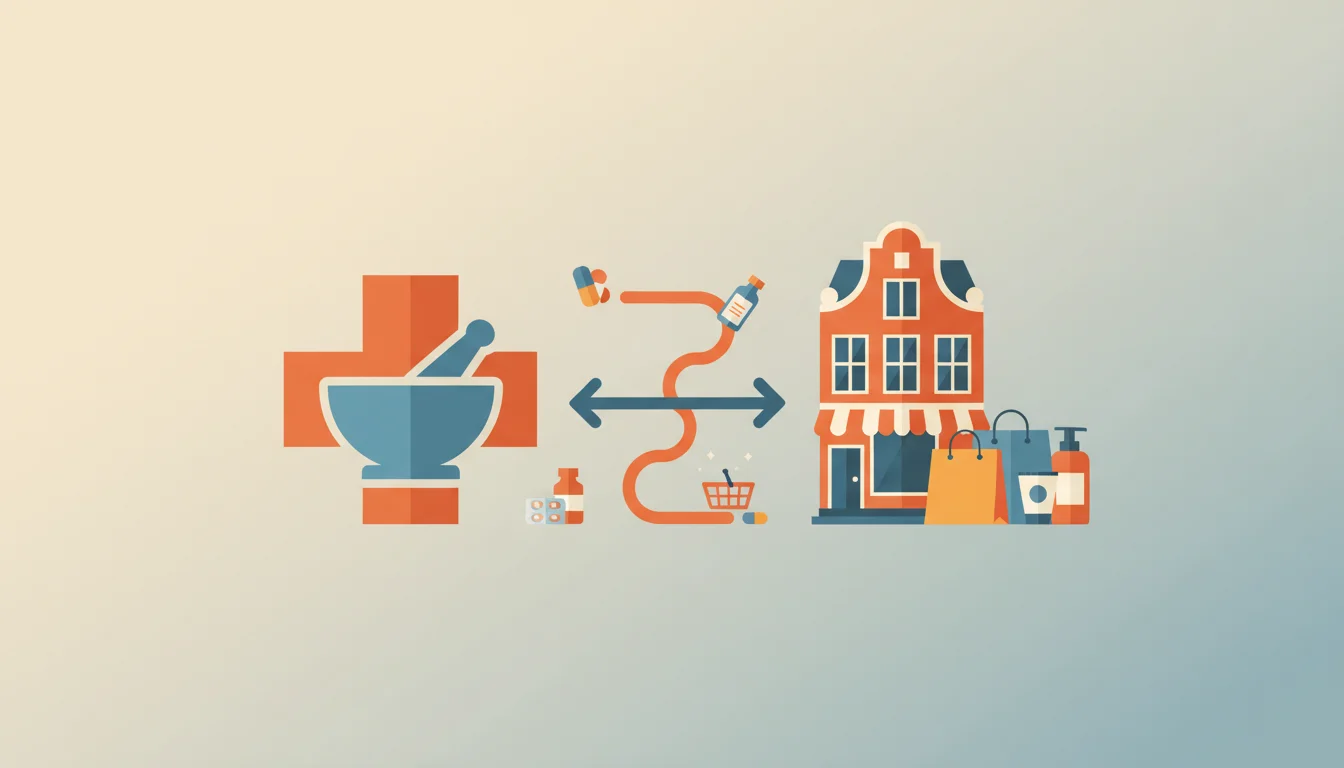
Moving to a new country brings a wave of exciting experiences, but falling ill while navigating a foreign healthcare system is rarely one of them. For many expats in the Netherlands, the first encounter with the Dutch medical system can be a bit of a culture shock. If you have ever complained of a cold, a sprained ankle, or a mild fever to a Dutch person, you have likely heard the legendary national medical advice: "Neem een paracetamolletje en rust goed uit" (Take a paracetamol and rest well).
The Dutch approach to healthcare is famously pragmatic and conservative. Doctors here do not hand out antibiotics or strong medications for minor ailments. Instead, the system relies heavily on the body's natural ability to heal, supported by basic over-the-counter remedies. Because of this unique approach, understanding where to buy your health supplies, how to get a prescription filled, and knowing the crucial difference between a Dutch pharmacy (Apotheek) and a drugstore (Drogist) is essential for a smooth life in the Low Countries.
In this comprehensive guide, we will walk you through exactly how to navigate Dutch pharmacies and drugstores, how to register for your medications, and the essential Dutch vocabulary you need to confidently manage your health.
One of the most common mistakes newly arrived expats make is walking into a drugstore expecting to get a prescription filled, or walking into a pharmacy to buy cheap shampoo. In the Netherlands, the retail health landscape is strictly divided into two distinct categories: the Apotheek and the Drogist.
An Apotheek is a certified clinical pharmacy. This is the only place in the Netherlands where you can obtain prescription medications (op recept). Pharmacists (apothekers) in the Netherlands are highly trained medical professionals who work closely with your General Practitioner (huisarts) to monitor your medication intake, check for adverse drug interactions, and provide medical advice.
When you walk into an apotheek, it feels very clinical. You will usually find a ticket machine near the entrance. The unwritten rule of the Dutch pharmacy is: always take a number (een nummertje trekken) and wait for your turn to be called to the counter. While they do sell some over-the-counter medical grade skincare, specialized vitamins, and first-aid supplies, these items are typically much more expensive here than at a drugstore.
A Drogist is a commercial health and beauty retailer. The most famous chains in the Netherlands are Kruidvat, Etos, and Trekpleister. You will find at least one of these on almost every shopping street in the country.
Drugstores are your go-to destination for over-the-counter (OTC) medicines, cosmetics, toiletries, cleaning supplies, baby formula, and vitamins. If you have a headache, a mild cough, or need allergy pills, this is where you go. You do not need a prescription to buy anything in a drogist. Furthermore, you can often find basic painkillers like paracetamol at local Dutch supermarkets right next to the checkout counter, making it highly convenient to grab essentials during your weekly grocery run.
Unlike drugstores where you can just walk in and buy what you need, you must formally register with a specific apotheek to receive prescription medications. It is highly recommended to do this as soon as you settle in, rather than waiting until you are sick.
Typically, you should choose the pharmacy that is geographically closest to your home or closest to your General Practitioner (huisarts). Many medical centers in the Netherlands actually have an apotheek located inside the same building for seamless communication.
To register, you will need to physically visit the pharmacy or sign up via their website. You will be asked to provide:
Once registered, your doctor and your pharmacist are digitally linked. When the doctor prescribes a medication, they send the order electronically straight to your pharmacy. By the time you walk from the clinic to the pharmacy, your medication is usually already being prepared.
The journey to getting prescription medication (medicijnen op recept) almost always starts with your General Practitioner.
In the Dutch healthcare system, the huisarts is the gatekeeper to all specialized medical care and prescription drugs. You cannot directly visit a specialist or request strong medication without their approval. If you need antibiotics, strong painkillers, antidepressants, or specialized treatments, you must schedule an appointment with your GP first.
Be prepared to advocate for yourself, but also be ready to accept that Dutch doctors prescribe medication very sparingly to prevent antibiotic resistance and dependency. If they believe your body can fight off a minor infection, they will send you home with advice to rest and hydrate.
If you are on chronic or long-term medication, you do not need to see the doctor every time you run out. You can request a repeat prescription (herhaalrecept). In modern Dutch healthcare, this is usually done online via your GP's patient portal or an app provided by your pharmacy. Keep in mind that logging into your patient portal securely usually requires setting up your DigiD beforehand.
Pro Tip: The Afhaalkluis (Pickup Locker)
Many Dutch pharmacies now feature a 24/7 medication dispensing machine (uitgifteautomaat or afhaalkluis) built into their exterior wall. When your repeat prescription is ready, you receive a text message with a unique PIN code. You can walk up to the machine at any time of day or night, type in your code, and the machine will dispense your medication. It is incredibly efficient and saves you from waiting in line during busy daytime hours!
For minor ailments, you will be relying on the drogist. Here is a breakdown of what you can find and how it is labeled in Dutch.
Paracetamol is the undisputed king of Dutch medicine. It is cheap, widely available, and sold in boxes of up to 50 tablets at drugstores and supermarkets. Ibuprofen is also readily available OTC, usually in 200mg or 400mg doses. If you need anything stronger, such as codeine-based painkillers, you will absolutely need a doctor's prescription.
The Dutch do not typically sell heavy, all-in-one "DayQuil/NyQuil" style multi-symptom cold medicines. Instead, you treat individual symptoms:
Hay fever (hooikoorts) is incredibly common in the Netherlands during spring. You can buy basic antihistamines like Cetirizine and Loratadine over the counter at Kruidvat or Etos for just a few euros. Eye drops (oogdruppels) are also easily found in the same aisle.
Walking into a pharmacy or drugstore can be intimidating if you don't speak the language. While almost all medical professionals in the Netherlands speak excellent English, making an effort in Dutch goes a long way and helps you integrate.
Here are some essential terms to memorize:
If you are worried about stumbling over your words, the StroopTaal app offers real-life Dutch conversation practice with AI. You can actually role-play a visit to the apotheek or a consultation with the huisarts in a safe, stress-free digital environment before you have to do it in real life. The app's pronunciation training provides instant feedback, ensuring that when you ask for hoestdrank, you get exactly what you need.
Illness doesn't respect business hours. Regular pharmacies in the Netherlands usually close around 17:30 or 18:00 on weekdays and have limited hours on Saturdays. They are almost universally closed on Sundays.
If you urgently need prescription medication outside of regular hours, you must go to a Dienstapotheek (Out-of-hours pharmacy). There is usually one central dienstapotheek per city or region, often located inside or right next to the local hospital's emergency room (Spoedeisende Hulp or Huisartsenpost).
Be aware that visiting a dienstapotheek incurs an extra service fee on top of the cost of the medication. This fee is standard across the country and is meant to discourage people from using emergency services for non-urgent matters. Always check the Dutch government's healthcare regulations to understand what constitutes an emergency and how billing works.
Having basic health insurance (basisverzekering) is a legal requirement for everyone living and working in the Netherlands. But does your insurance cover your medication?
In most cases, standard prescription medications prescribed by your GP are covered by your basic health insurance. Because your pharmacy is linked to your insurance profile, they will usually bill your insurance company directly. You simply pick up your medication and walk out without opening your wallet.
However, there is a catch: the Eigen Risico (deductible). In the Netherlands, every adult has an obligatory annual deductible (set at €385 for several years now). The cost of your prescription medications will be deducted from this eigen risico first. Once you have spent your €385 for the year, the insurance covers the rest fully. Note that visits to the GP are always free and do not count towards your deductible, but the medications they prescribe do.
Some specific medications, like certain ADHD medications, specific brands of birth control, or sleeping pills, might require a personal contribution (eigen bijdrage) even if you have met your deductible. Your pharmacist will always inform you if a medication requires an out-of-pocket payment.
Navigating Dutch pharmacies and drugstores might seem complex at first, mainly due to the strict separation between the apotheek and the drogist, and the conservative medical culture. However, once you understand the system, you will find it to be highly efficient, heavily digitized, and designed to keep the population healthy without over-medicating.
Remember to register with a local pharmacy as soon as you settle in, keep a steady supply of paracetamol in your cupboard from the Kruidvat, and do not be afraid to ask your pharmacist questions—they are highly trained experts ready to help.
To make sure the medical vocabulary sticks, you can use StroopTaal's vocabulary building with spaced repetition. By learning just a few medical terms each day, you will be fully prepared for any health hurdle life in the Netherlands throws at you. Download the StroopTaal app today and start building your practical Dutch confidence!
Share this article:
Introduction to the Dutch Housing Market in 2026 Buying a house in the Netherlands is a major milestone, especially for expats and internationals...
Read moreStaying Connected: The Expat's Guide to Dutch Mobile Providers in 2026 Welcome to the Netherlands! Whether you have relocated for a thriving career...
Read moreIntroduction: The Shock of the First Dutch Utility Bill Welcome to the Netherlands! You have successfully navigated the highly competitive housing...
Read more