Dutch Garbage Guide: Waste Rules for Expats
Introduction: Why Dutch waste rules matter for expats Moving to the Netherlands means adapting to many practical routines, and one of the most...
Read more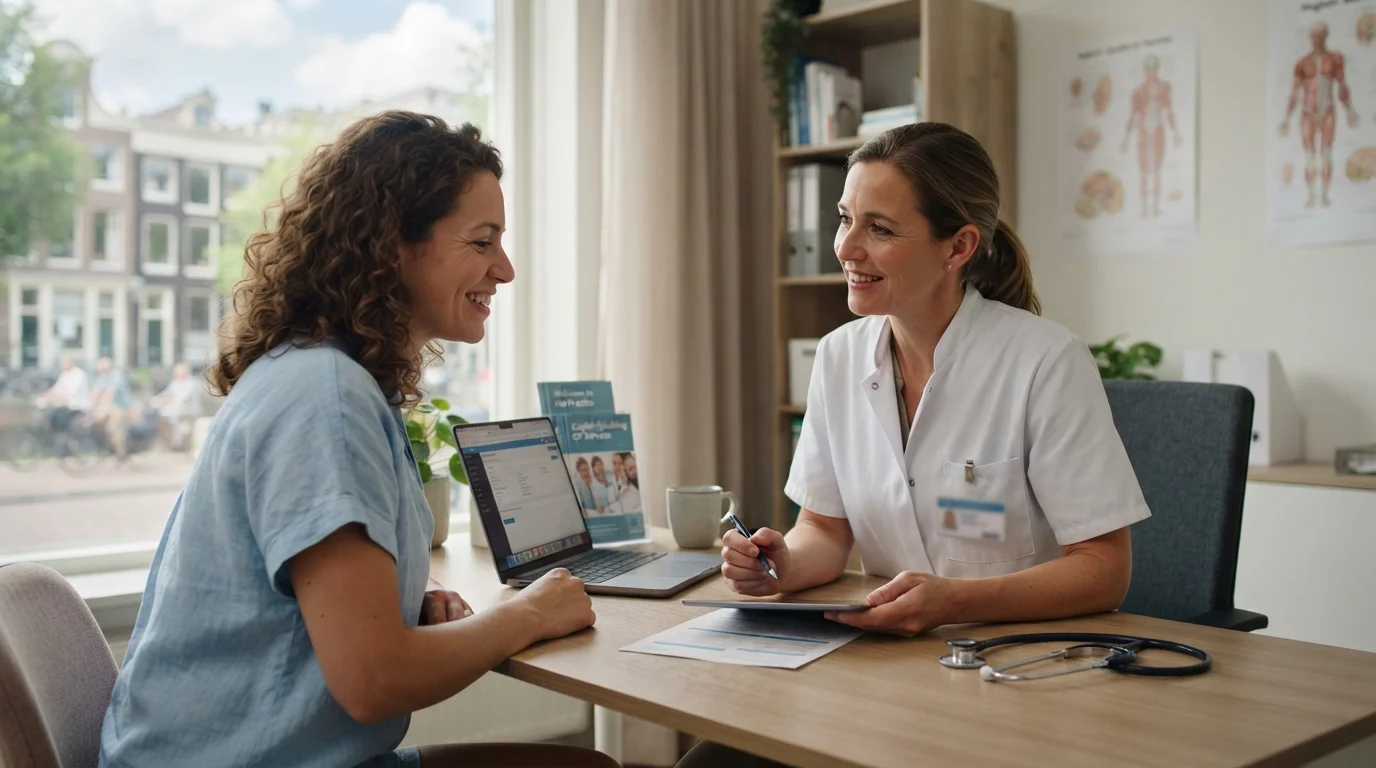
Moving to a new country is an exciting adventure, but it also comes with a long checklist of bureaucratic and practical tasks. If you are arriving in the Netherlands during the peak summer month of July, one of your absolute top priorities should be registering with a local general practitioner, known in Dutch as a huisarts. The Dutch healthcare system is highly efficient, but it operates on a strict gatekeeper model that can feel unfamiliar and overwhelming to newcomers.
In the Netherlands, your huisarts is your first point of contact for almost all medical matters. Whether you have a minor skin rash, need a prescription renewal, or require a referral to a hospital specialist, you must go through your GP first. Without a registered GP, getting non-emergency medical care can be extremely difficult. This comprehensive guide will walk you through exactly how to find an English-speaking GP in July, navigate summer-specific challenges, and master the basic Dutch vocabulary you need to feel confident during your first medical appointment.
July is a beautiful month to arrive in the Netherlands, but it presents unique challenges for those trying to register with a medical practice. Understanding these hurdles beforehand will help you plan ahead and avoid unnecessary stress.
In the Netherlands, the school summer holidays (*zomervakantie*) kick off in July. During this period, many GP practices operate with reduced staff as doctors, nurses, and administrative workers take their annual leave. Some practices may even close entirely for two to three weeks, transferring their urgent patient care to neighboring clinics. Consequently, response times for registration requests may be slower than usual, and non-urgent intake appointments might be delayed until late August or September.
July and August represent the peak relocation window for international workers, researchers, and university students. With thousands of new residents arriving simultaneously, local GP practices in expat-heavy cities like Amsterdam, Utrecht, Rotterdam, and Eindhoven experience a massive surge in registration applications. Because practices are legally required to limit their patient lists to ensure safe, high-quality care, popular clinics can fill up rapidly in July.
Most GP practices in the Netherlands enforce a strict postcode policy. To ensure that they can reach you quickly in the event of a home emergency, doctors generally only accept patients who live within a 10 to 15-minute travel radius (usually by bicycle or car) from the clinic. If you are still living in temporary summer accommodation while searching for a permanent home, finding a GP willing to register you can be tricky. However, it is vital to secure temporary care or register as soon as you have a fixed address.
Finding a GP who speaks English is fortunately very easy in the Netherlands, as nearly all Dutch medical professionals speak fluent, high-level English. However, the administrative process, registration forms, and initial phone calls are often in Dutch. Follow this step-by-step roadmap to secure your GP registration smoothly this summer.
Before you can register with a GP, you must have a valid health insurance policy. Anyone who lives or works in the Netherlands is legally required to purchase basic Dutch health insurance (*basisverzekering*) within four months of arrival. To help you understand the financial side of your care, including out-of-pocket costs and deductibles, check out our detailed guide on understanding your Dutch health insurance policy. Once your insurance is active, it will cover 100% of your consultations with your registered GP.
To sign up for health insurance and register with a GP, you need a Citizen Service Number (BSN). You obtain this by registering at your local municipality as soon as you arrive. Once registered, you can also set up your digital identity using the DigiD app, which is essential for logging into your GP's online patient portal, viewing your medical test results, and ordering repeat prescriptions.
With your address and insurance ready, you can begin your search. Use these highly reliable resources to find practices near you:
Once you find a few practices in your postcode area, visit their websites to see if they are open for new registrations (*open voor nieuwe patiënten*). If their website is entirely in Dutch, look for a button that says "English" or use a browser translation tool. If a practice is open, you will usually need to fill out an online registration form. If you need to call them during the busy July summer hours, be prepared to explain your situation clearly.
While your doctor will almost certainly speak English, the receptionist (*doktersassistent*) who answers your call might start the conversation in Dutch. Showing that you are trying to learn the local language goes a long way in building a warm relationship with your local clinic. Plus, practicing these real-life scenarios is a fantastic way to boost your Dutch language skills!
To build your confidence before making that first phone call, you can use the StroopTaal app. StroopTaal offers interactive dialogue games for practical scenarios, allowing you to simulate real-life conversations with a Dutch medical receptionist. By practicing common questions and answers in a low-pressure environment, you will feel perfectly prepared when it's time to make the real call.
Here is a list of essential Dutch vocabulary and phrases you can use when contacting a GP practice:
| Dutch Term | English Translation |
|---|---|
| Huisarts | General Practitioner (GP) / Family Doctor |
| Huisartsenpraktijk | GP Practice / Clinic |
| Inschrijven | To register / enroll |
| Patiëntenstop | Patient intake freeze (not accepting new patients) |
| Afspraak maken | To make an appointment |
| Spoedgeval | Emergency case |
| Verwijsbrief | Referral letter (needed for specialists) |
| Recept | Prescription |
If you want to call and ask if they are accepting new patients, you can say:
"Goedemorgen/Goedemiddag, neemt u nog nieuwe patiënten aan?" (Good morning/Good afternoon, are you accepting new patients?)
If they say yes, you can follow up with:
"Ik ben net naar Nederland verhuisd en ik wil me graag inschrijven." (I have just moved to the Netherlands and I would like to register.)
By incorporating these terms into your daily study routine, perhaps using StroopTaal's vocabulary building with spaced repetition feature, you will effortlessly memorize these crucial words and retain them for when you need them most.
Because finding a GP in July can take some time due to summer holiday delays, you might find yourself in a situation where you need medical attention before your registration is officially processed. Do not panic—the Dutch system has safety nets in place to ensure you receive care.
If you need non-emergency care but do not have a registered GP yet, you can contact a local GP practice and ask to be treated as a passant (temporary visitor). They will charge you a standard, government-regulated temporary rate (*passantentarief*), which you must pay at the clinic (usually by debit card). You can then submit this receipt to your Dutch health insurance provider for full reimbursement.
If you have an urgent medical issue that cannot wait until the next business day, but is not a life-threatening emergency, do not go to the hospital emergency room (*Spoedeisende Hulp*). Instead, call your local Huisartsenpost. This is a collective after-hours clinic run by local GPs, open on weeknights from 17:00 to 08:00, and 24 hours a day on weekends and public holidays. You must always call them first to book an appointment; they do not accept walk-ins.
For life-threatening emergencies, call 112 immediately. The operators speak English and will dispatch an ambulance if necessary.
Once you secure your English-speaking GP, your first appointment might come with a bit of cultural shock. The Dutch medical system is famous for its conservative, evidence-based approach to treatment. Here is what you should expect during your first consultation:
Finding an English-speaking GP in July requires a proactive approach, but by understanding the summer holiday constraints and preparing your documents in advance, you can navigate the process with ease. Registering with a GP is one of the most important steps to truly feeling at home and secure in your new life in the Netherlands.
As you settle into your new Dutch lifestyle, mastering the language is the ultimate key to feeling integrated, confident, and independent. Whether you want to chat comfortably with your GP's receptionist, complete your integration exams, or simply order a coffee in Dutch, the StroopTaal app is here to support you. With personalized AI-powered learning plans, realistic conversation practice, and fun gamified features, StroopTaal makes learning Dutch engaging and highly effective. Download StroopTaal today and take your first step toward mastering Dutch for your daily life!
Share this article:
Introduction: Why Dutch waste rules matter for expats Moving to the Netherlands means adapting to many practical routines, and one of the most...
Read moreWelcome to the Netherlands: The Land of Trains, Trams, and the OV-chipkaart Moving to a new country brings a whirlwind of administrative tasks, from...
Read moreWelcome to Your New Digital Life in the Netherlands Moving to a new country is an exciting adventure, but it also comes with a mountain of...
Read more