10 Essential Dutch Vocabulary Words for the KNM Exam Section
Mastering the KNM Exam: Why Vocabulary is Your Secret Weapon Preparing for the Inburgeringsexamen (Dutch Civic Integration Exam) can feel...
Read more
This article was drafted by AI and edited by a person before it was published.
AI can get things wrong. For anything official, check the source it points to.
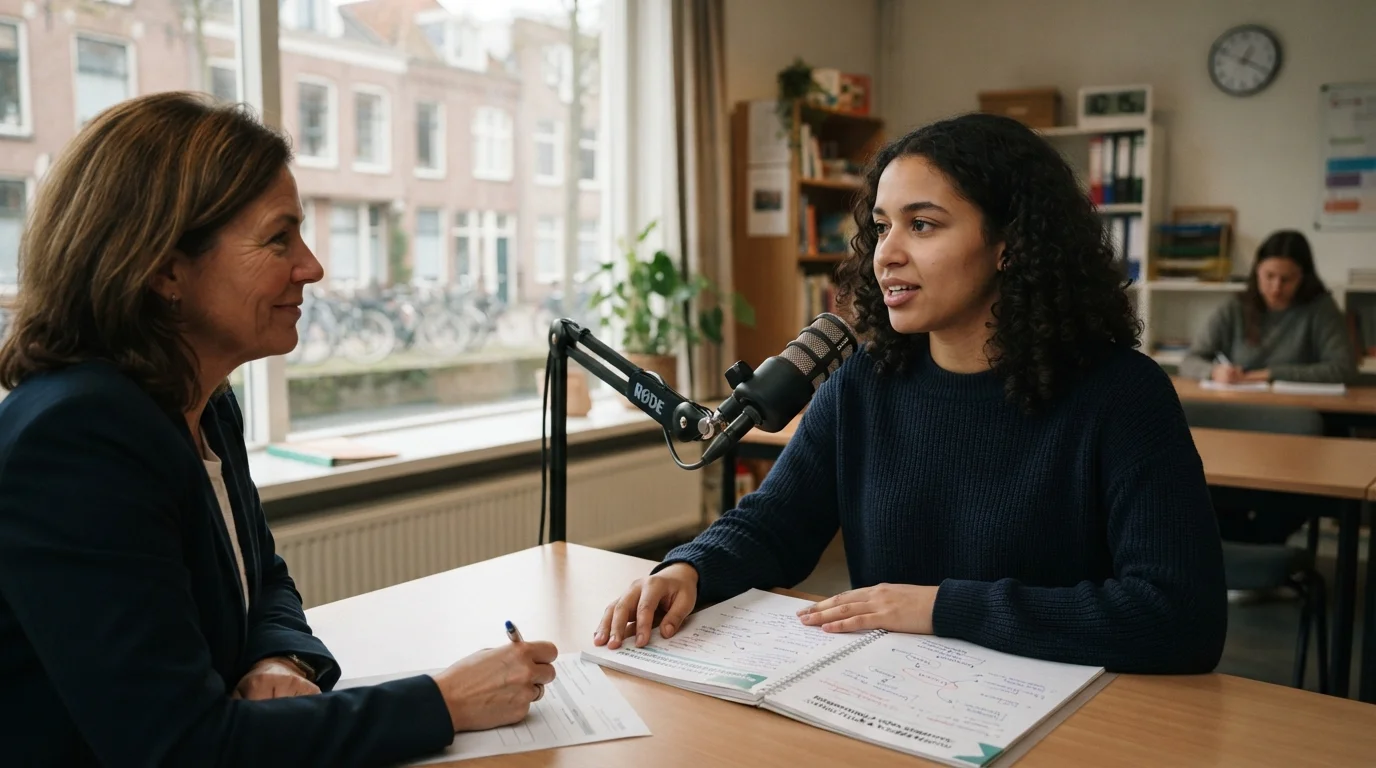
AI-generated image

Relocating to the Netherlands brings a wave of exciting changes: cycling through historic streets, discovering local traditions, and mastering the Dutch language. However, for many expats, non-EU newcomers, and immigrants, the process also involves strict administrative obligations—chief among them being the civic integration process (inburgering).
When you receive your official integration letter from the Education Executive Agency (Dienst Uitvoering Onderwijs, or DUO), a clock starts ticking. For most newcomers, DUO sets a three-year deadline ( known as the inburgeringstermijn) to pass all required language and societal exams. But what happens if unexpected life events interrupt your studies? What if illness, pregnancy, family emergencies, or delays in course availability prevent you from finishing on time?
The good news is that Dutch law allows candidates to apply for an extension under specific, justified circumstances. In this comprehensive guide, we will walk you through everything you need to know about requesting an extension for your Dutch civic integration deadline, including valid grounds, step-by-step procedures, key documentation, and how to safeguard your residence status.
Your official civic integration timeline begins on the date specified in the initial notification letter you receive from DUO. Under current regulations (including both the 2013 and 2021 Civic Integration Acts), candidates are generally granted 3 years to fulfill all requirements.
During this period, you must complete various components depending on your specific integration route (leerroute). These usually cover reading, listening, writing, and speaking skills, as well as Knowledge of Dutch Society (Kennis van de Nederlandse Maatschappij - KNM) and the Labor Market and Society module (MAP or ONA).
Failing to fulfill your integration requirements within the allotted 3-year window without an official extension can lead to significant administrative and financial consequences:
DUO does not grant deadline extensions automatically or casually. To receive an extension (uitstel van de inburgeringstermijn), you must prove that compelling personal circumstances outside your control prevented you from finishing on time. Below are the primary recognized grounds for an extension:
If you or a close family member experienced severe physical or mental health issues during your 3-year term, DUO may grant an extension. The condition must be significant enough to have prevented you from taking language classes or attending exam sessions for a prolonged period.
Required Evidence: An official medical statement from an independent, licensed healthcare professional (such as an arts or bedrijfsarts) detailing the nature of the condition and the duration during which you were unable to study.
Pregnancy and caring for a newborn can significantly alter your daily life. DUO routinely grants an extension of several months for pregnancy, provided the birth or pregnancy complications fell squarely within your integration window.
Required Evidence: A formal statement from your midwife (verloskundige) or obstetrician, or a birth certificate (geboorteakte) from your local municipality (gemeente).
Unforeseen family crises—such as providing full-time informal care (mantelzorg) for a severely ill relative, going through a complex divorce, or experiencing a bereavement in your immediate family—can serve as acceptable grounds.
Required Evidence: Official documentation demonstrating the event, such as care register records, legal paperwork, or death certificates.
If your approved language school closed unexpectedly, canceled essential classes, or faced extreme waiting lists for required modules, you may not be at fault for falling behind.
Required Evidence: Written communication from the language institution confirming course cancellations, unexpected disruptions, or documented waiting lists.
If you have worked hard, taken numerous classes, and passed several components, but need just a bit more time to finish the remaining exams, DUO may extend your deadline on the grounds of demonstrated effort (voldoende inspanning).
To qualify on this ground, you typically must show that you have taken a required minimum number of course hours at an accredited institution (Blik op Werk quality mark) and have made genuine attempts to pass the remaining tests.
If you fit into one of the recognized categories, follow these steps to file a formal request for an extension.
Log in to the DUO Inburgeren portal using your DigiD. Review your exact end date (uiterste inburgeringsdatum), the number of exams you have completed, and any outstanding modules. Take note of how many months remain before your deadline expires.
The strength of your extension request relies almost entirely on your supporting documentation. Ensure all foreign documents are translated into Dutch, English, German, or French by a certified translator, and legalize them if required. Key documents include:
Download the official extension form (Aanvraag verlenging inburgeringstermijn) from the DUO website or request it directly through your online DigiD account. Fill out every section accurately, specifying the exact reasons why you need extra time and detailing how many months of extension you are requesting.
Crucial Rule: Always submit your extension request before your official integration deadline expires. Submitting a request after your end date has passed makes approval significantly more difficult and exposes you to automated fines.
DUO usually takes between 4 to 8 weeks to evaluate extension applications. During this assessment phase, keep practicing your language skills and preparing for any remaining exams. You will receive an official decision letter (beschikking) stating whether your extension has been granted and detailing your new deadline.
While securing an extension offers relief, the ultimate goal remains achieving full civic integration so you can unlock permanent residency, citizenship, or career growth. If you are struggling with tight schedules or exam anxiety, adjusting your daily learning methods can drastically shorten your preparation time.
If you're feeling stressed about the upcoming tests, mastering specific modules like strategies to pass the Inburgering B1 reading exam can boost your confidence and help you secure quick wins on your score report.
Traditional classroom settings often move too slowly or fail to address individual language weak spots. Utilizing dedicated digital tools can fill these gaps efficiently:
This is where modern tools can streamline your preparation. An AI-powered application like StroopTaal helps you maximize your study efficiency through personalized learning plans, interactive real-life Dutch conversation practice, and instant feedback on speaking and grammar exercises—allowing you to bridge performance gaps rapidly without sacrificing your work-life balance.
Receiving a rejection letter (afwijzing) from DUO can be discouraging, but you still have legal options available.
If you believe DUO wrongly evaluated your evidence or ignored critical personal factors, you have 6 weeks from the date listed on the decision letter to lodge a formal objection (bezwaarschrift). In your objection, clearly explain why you disagree with the assessment and attach any additional supporting proof that was missing from your initial application.
If a severe long-term medical condition prevents you from ever passing the exams, a simple extension may not be enough. In such cases, you can apply for an exemption on medical grounds (ontheffing van de inburgeringsplicht). This process requires an assessment by an independent medical expert designated by DUO.
If your situation is complex, consider consulting an immigrant support group (such as VluchtelingenWerk), a specialized Dutch immigration lawyer, or your local municipal integration coach (klantmanager inburgering). They can offer tailored guidance and help draft your legal appeals.
Facing a looming Dutch civic integration deadline can be stressful, but you do not have to navigate the process in panic. By understanding DUO's extension criteria, collecting thorough documentation, and acting before your original deadline lapses, you can give yourself the operational buffer needed to finish your exams successfully.
Remember that request approvals depend heavily on clear evidence and demonstrated effort. Don't wait until the final month—log in to Mijn DUO today, check your timeline, gather your documents, and supercharge your study plan with modern language learning solutions like StroopTaal to help you prepare for your exams in time.
Share this article:
Mastering the KNM Exam: Why Vocabulary is Your Secret Weapon Preparing for the Inburgeringsexamen (Dutch Civic Integration Exam) can feel...
Read moreA werklozenuitkering (commonly referred to as a WW-uitkering or simply WW) is the official Dutch unemployment benefit. Administered by the government...
Read moreMaster the Inburgering Speaking Exam 2026: How to Structure Your Oral Answers Are you preparing to take the Dutch integration exam...
Read more