StroopTaal vs Memrise: Which is Best for Dutch Vocab?
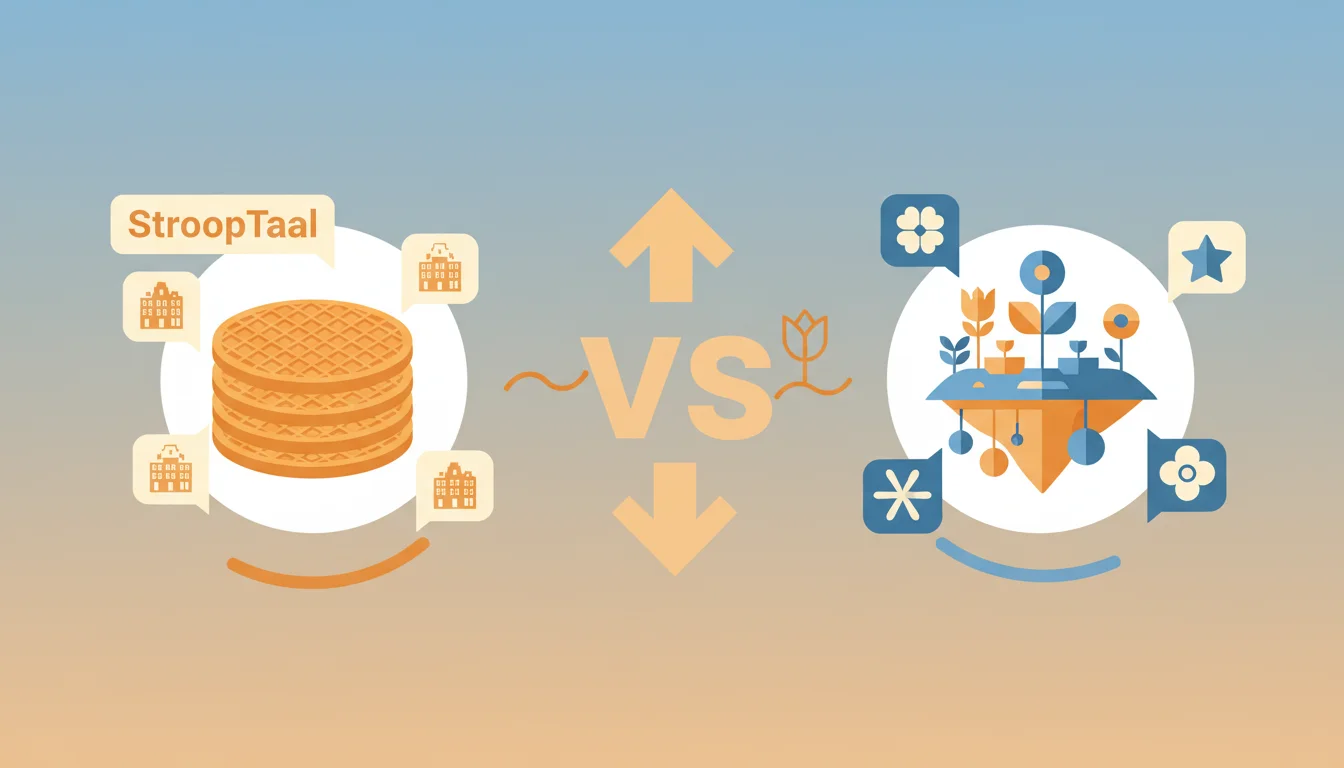
StroopTaal vs Memrise: The Ultimate Showdown for Dutch Vocabulary Mastery So, you’ve decided to learn Dutch. Leuk! You’re picturing yourself...
Read more
Remember the day you decided to learn Dutch? The excitement was palpable. You imagined yourself effortlessly ordering a 'koffie verkeerd' in a cozy Amsterdam café, chatting with new colleagues, or finally understanding what your Dutch in-laws are really saying at the dinner table. The first few weeks were a whirlwind of 'Hallo,' 'Dank je wel,' and wrestling with that tricky 'g' sound.
But then, reality sets in. The motivation that once burned so brightly starts to flicker. Conjugating irregular verbs feels like a chore. Memorizing which words take 'de' and which take 'het' feels like an impossible quest. Suddenly, your daily Duolingo notification feels less like a friendly reminder and more like a nagging parent. This is the infamous language learning plateau, and it's where many aspiring Dutch speakers give up.
What if there was a way to recapture that initial excitement? A way to transform the daily grind into a daily game? Enter gamified Dutch learning, the secret weapon to keeping your motivation high and making consistent progress, day after day.
Gamification isn't just about playing games instead of studying. It's the strategic use of game design elements and principles in non-game contexts, like language education. Think about what makes games so addictive: points, badges, leaderboards, quests, and a constant sense of progress. By applying these concepts to learning Dutch, we can tap into the same psychological triggers that keep us coming back for one more level.
At its core, gamification leverages our brain's natural reward system. When you correctly answer a question, complete a lesson, or maintain a daily streak, your brain releases a small amount of dopamine, a neurotransmitter associated with pleasure and motivation. This creates a positive feedback loop: you feel good about your progress, which makes you want to learn more, which leads to more progress, and so on. It's a powerful cycle that transforms studying from a passive activity into an active, engaging pursuit. For a deeper dive into the concept, you can explore the principles of gamification on Wikipedia.
So, how does this translate into practical features that help you learn Dutch? A well-designed language app integrates several key gamified elements to keep you hooked.
The single most important factor in language learning is consistency. Practicing for 15 minutes every day is far more effective than cramming for two hours once a week. This is where daily streaks are a game-changer. The simple goal of not 'breaking the chain' provides a powerful daily incentive. StroopTaal’s streak feature encourages you to log in daily, turning Dutch practice into a non-negotiable part of your routine, just like brushing your teeth.
Who doesn't love a bit of recognition for their hard work? Earning points for correct answers, unlocking badges for milestones (like 'Vocabulary Virtuoso' or 'Grammar Guru'), and seeing your name climb a leaderboard provides tangible evidence of your progress. It creates a sense of achievement and can spark a little friendly competition, whether it's with other users or just with your past self.
Memorizing vocabulary lists is one thing; using those words in a real conversation is another. This is where interactive games shine. Instead of just flashcards, you're placed in practical scenarios: ordering food, asking for directions, or making small talk at a party. StroopTaal’s AI-powered conversation practice allows you to have these dialogues in a low-pressure environment, getting instant feedback without the fear of making mistakes in front of a native speaker.
A long journey is always more manageable when you can see how far you've come. Progress bars that fill up as you complete a lesson and the ability to 'level up' from A0 to A1, and all the way to C1, provide clear visual milestones. It breaks down the monumental task of learning a language into small, achievable steps, helping you see that you are, in fact, moving forward, even on days when it doesn’t feel like it.
Dutch presents its own unique set of challenges that gamification is perfectly suited to tackle. From tricky grammar rules to subtle pronunciation, turning these hurdles into a game can make all the difference.
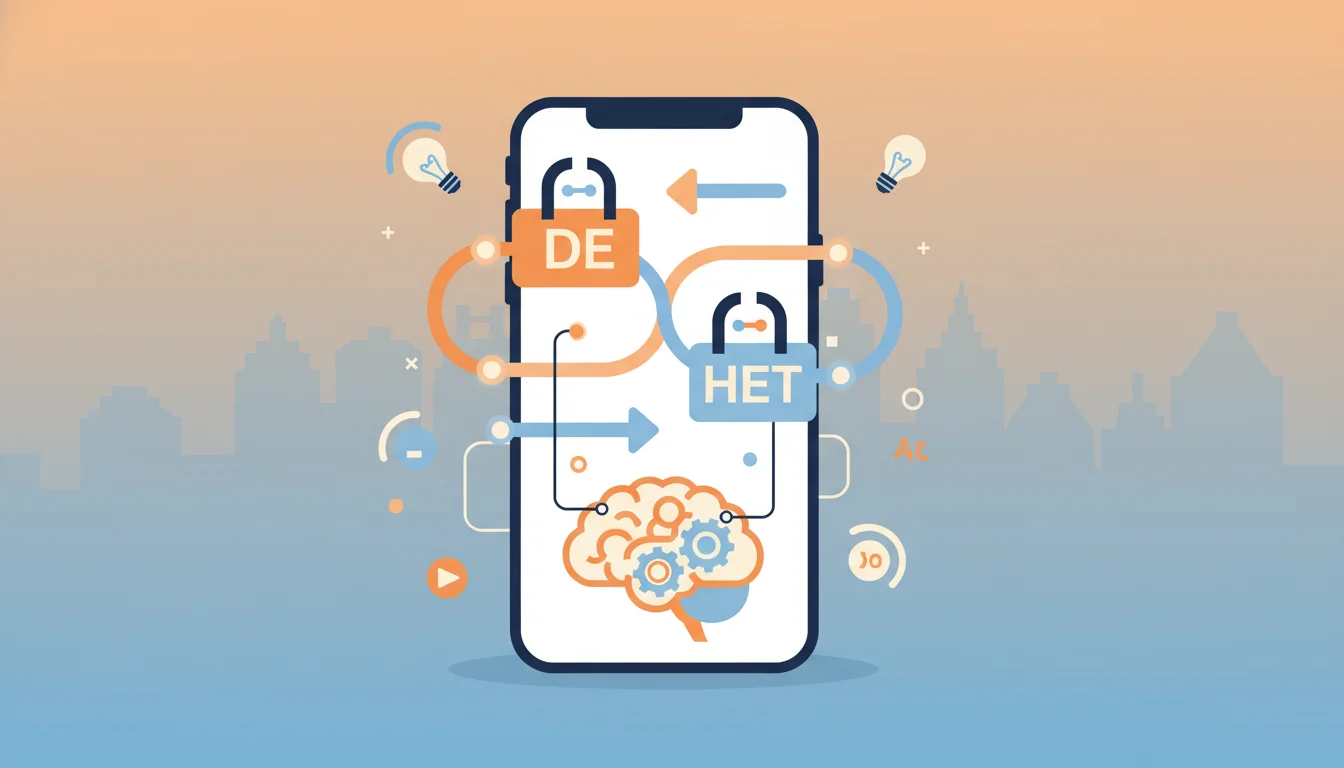
The gender of Dutch nouns is a notorious stumbling block for learners. Why is it 'de tafel' but 'het huis'? While there are some rules, much of it comes down to memorization. This is where gamified drills are invaluable. Instead of staring at lists, you can play rapid-fire games that test your knowledge. Apps like StroopTaal include specific Article Mastery Games designed to burn these distinctions into your memory, making the process of mastering the tricky 'de' and 'het' articles feel less like a chore and more like a challenge to be conquered.
Vocabulary acquisition requires repetition. There's no way around it. But endless flashcard drills can be mind-numbingly dull. Gamification disguises this repetition as fun. By using effective spaced repetition systems (SRS) within a game-like interface, you review words at the exact moment you're about to forget them. This optimizes memory retention while keeping the process engaging. Each correct recall feels like scoring a point, not just completing a task.
For many, especially those preparing for high-stakes exams like the inburgeringsexamen (civic integration exam), the pressure can be immense. The fear of making mistakes can lead to 'speaking anxiety.' Gamified learning creates a safe space to practice and fail. Each correctly completed level, each badge earned, and each AI conversation navigated successfully is a small win. These small wins accumulate over time, building the confidence you need to take your skills from the app to the real world. For official information on integration requirements, the Dutch Immigration and Naturalisation Service (IND) website is an excellent resource.
While a great app is a fantastic tool, you can apply gamification principles to your entire learning process.
By combining these personal strategies with a dedicated tool, you create a comprehensive, motivating learning environment. You can read more about how gamification can boost your vocabulary retention in our other posts.
The journey to Dutch fluency is a marathon, not a sprint. The biggest challenge isn't intelligence or talent; it's staying motivated long enough to see real results. Gamified learning transforms this marathon into a series of exciting, rewarding mini-races.
By leveraging points, streaks, interactive challenges, and the simple joy of play, you can build a consistent, effective, and—most importantly—enjoyable learning habit. You stop seeing your Dutch practice as a 'should' and start seeing it as a 'want.' The daily session is no longer a task to be checked off a list, but a game you look forward to playing.
If you're ready to leave the motivation slump behind and rediscover the fun in learning Dutch, it's time to embrace the power of play. Download StroopTaal today and experience firsthand how our AI-powered, gamified approach can keep you engaged, motivated, and on the fast track to Dutch proficiency. Veel succes! (Good luck!)
Share this article:
StroopTaal vs Memrise: The Ultimate Showdown for Dutch Vocabulary Mastery So, you’ve decided to learn Dutch. Leuk! You’re picturing yourself...
Read moreThe Dutch Definite Article Dilemma: Conquering 'De' and 'Het' If you've spent more than five minutes learning Dutch, you've met them: the two tiny...
Read moreMastering Dutch Grammar in the Age of AIIf you are an expat living in the Netherlands, a prospective student, or simply a language enthusiast, you...
Read more