Beyond Amsterdam: Top Dutch Cities for Expat Families 2026
Thinking of Moving to the Netherlands with Your Family? Look Beyond Amsterdam! When expats dream of the Netherlands, the enchanting canals, historic...
Read more
This article was drafted by AI and edited by a person before it was published.
AI can get things wrong. For anything official, check the source it points to.
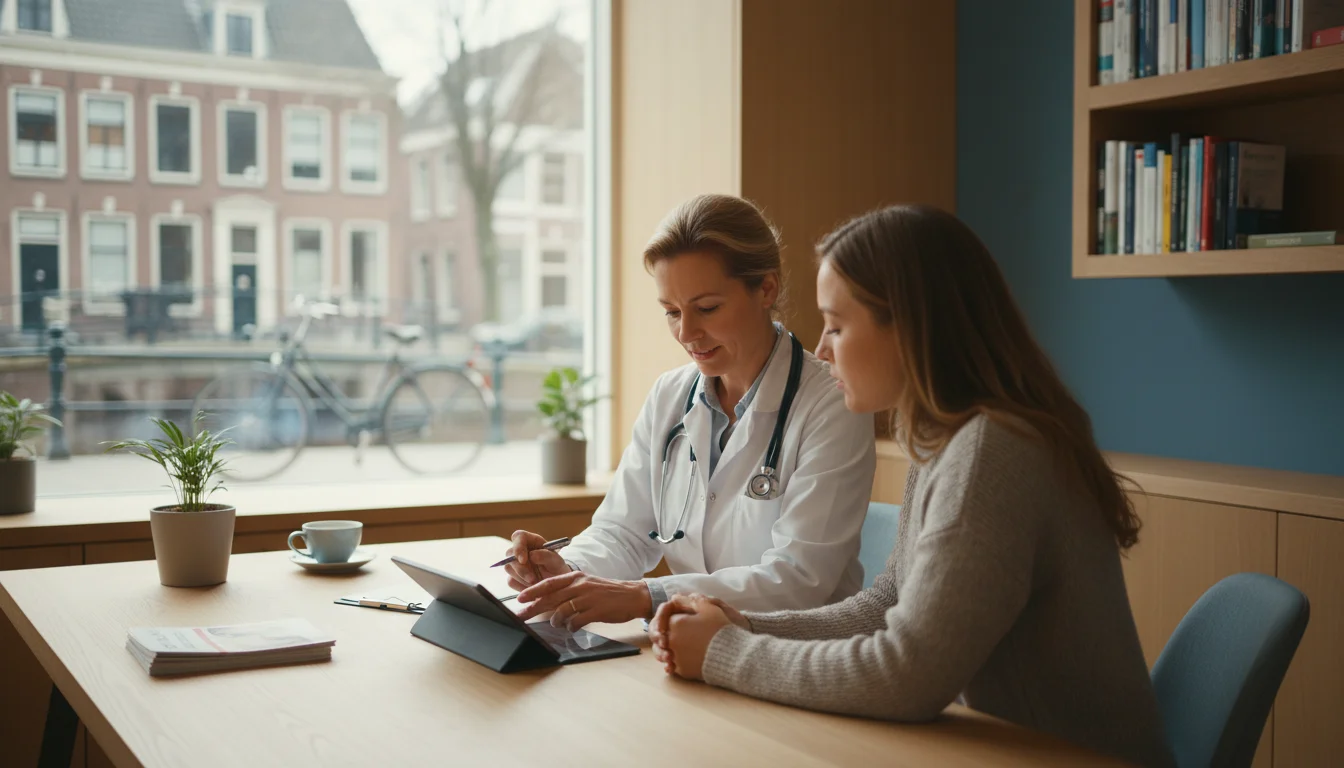
AI-generated image
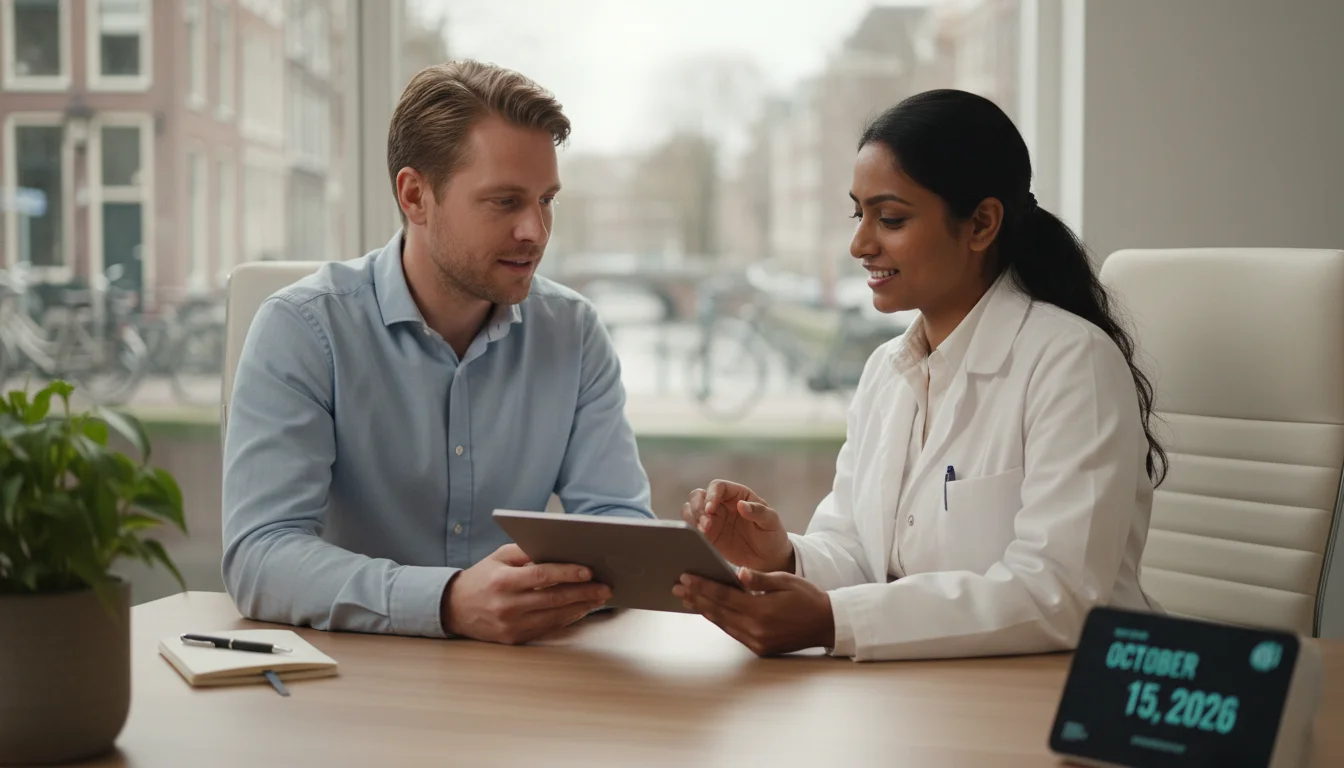
Moving to the Netherlands is an exciting adventure filled with stroopwafels, scenic canals, and a new culture to explore. But amidst the excitement, practicalities like healthcare can feel daunting. One of the most common questions we hear from expats is, "How do I find a doctor who speaks English?" The fear of being misunderstood during a vulnerable moment is real. But here’s the good news: the Dutch healthcare system is excellent, and finding an English-speaking doctor is much easier than you might think. In this comprehensive 2026 guide, we'll walk you through every step, from understanding the system to registering at a practice and navigating your first appointment.
Before you start your search, you need to understand the central figure in Dutch healthcare: the huisarts, or General Practitioner (GP). Unlike in some countries where you can directly book an appointment with a specialist, the Netherlands operates on a gatekeeper system. Your huisarts is your first point of contact for nearly all non-emergency medical issues.
Key roles of the huisarts:
It is crucial to register with a huisarts as soon as you have your BSN (Citizen Service Number) and a permanent address. You cannot simply walk into any clinic; you must be a registered patient. Getting this sorted early will save you a lot of stress when you actually need medical care. For a deeper dive into what to expect, check out our guide on making an appointment with your huisarts.
Ready to find your new GP? The Netherlands has one of the highest English proficiency rates in the world, so your options are plentiful. Here’s a practical, step-by-step approach to find the right practice for you.
Your Dutch health insurance provider is an excellent first resource. Your mandatory Dutch health insurance, which may be partially subsidized through the zorgtoeslag or healthcare allowance, is the first step to accessing care. Most insurers have an online portal or a customer service line where you can find a list of contracted doctors (gecontracteerde artsen) in your area. Their websites often have a filter to search for doctors who list English as one of their languages.
Several independent websites are dedicated to helping you find healthcare providers. The most popular is ZorgkaartNederland. While the site is in Dutch, you can use your browser's translate function. You can search for 'huisarts' in your city and then read reviews, which often mention if the doctor and staff speak English. Another useful site is Independer, which also provides search tools for GPs.
Don't underestimate the power of personal recommendations. Join expat groups on Facebook for your city (e.g., 'Expats in Amsterdam,' 'Rotterdam Expats') and ask for recommendations. People are usually happy to share their positive experiences and can give you real-world insights that you won't find on an official website. Platforms like InterNations can also be a valuable source of information.
Once you have a shortlist of 2-3 practices, it's time to contact them directly. The key questions to ask are:
While the doctor almost certainly speaks English, the receptionist (doktersassistent) may be less comfortable. This is a perfect opportunity to build your confidence. You can use the StroopTaal app to practice real-life Dutch conversation scenarios, like booking a doctor's appointment. Our AI-powered dialogue games let you rehearse the call first, so you can feel better prepared to make a good first impression.
Once you've found a practice that is accepting new patients, the registration process (inschrijving) is straightforward. You will typically need to fill out a form (either online or in person) and provide the following:
Some practices may schedule a brief introductory appointment (kennismakingsgesprek) to meet you and discuss your medical history. This is a great chance to see if you feel comfortable with the doctor and their communication style.
In densely populated areas like Amsterdam or Utrecht, you may encounter a common problem: many practices are not accepting new patients. This can be frustrating, but don't give up. Here’s what to do:
Congratulations, you're registered! Now, what should you expect from your first real appointment? While your doctor will speak excellent English, understanding a few cultural nuances of the Dutch medical world can make the experience smoother.
Dutch communication is famously direct and to the point, and this extends to medicine. Your doctor will likely be pragmatic, efficient, and focused on evidence-based solutions. They may ask direct questions and get straight to the issue. This isn't rudeness; it's a cultural approach that values clarity and honesty.
Doctors in the Netherlands are often more conservative with prescriptions, especially for antibiotics and strong painkillers. The prevailing philosophy is often "kijk het nog even aan" (let's wait and see). They trust the body's ability to heal and avoid over-prescription. Be prepared to discuss your symptoms thoroughly, but trust their professional judgment. This approach is similar across many parts of the health system, including when you are looking for a dentist in the Netherlands.
While you can get by with English, learning some basic Dutch medical terms will be incredibly empowering. It helps when communicating with the receptionist, understanding appointment letters, or reading information on a prescription. Even simple phrases like "Ik heb een afspraak gemaakt" (I have made an appointment) or understanding terms like hoofdpijn (headache) and koorts (fever) can make a huge difference. The StroopTaal app's vocabulary builder uses spaced repetition to help you master these essential terms quickly, boosting your confidence for any medical situation.
Finding an English-speaking doctor in the Netherlands in 2026 is a very manageable task. The system is well-organized, and the high level of English proficiency among medical professionals removes a significant barrier for expats. By understanding the role of the huisarts, using the right resources for your search, and being prepared for the registration process, you can ensure your health is in good hands.
Don't let the fear of the unknown hold you back. Take the first step today by researching practices in your area. And if you want to feel even more prepared and confident in navigating your new life in the Netherlands, download StroopTaal. From practicing phone calls to building essential vocabulary, we're here to help you communicate with confidence. Succes!
Share this article:
Thinking of Moving to the Netherlands with Your Family? Look Beyond Amsterdam! When expats dream of the Netherlands, the enchanting canals, historic...
Read moreFeeling Under the Weather in the Netherlands? Your Guide to the Huisarts Moving to the Netherlands is an incredible adventure, filled with...
Read moreWelcome to Dutch Banking: More Than Just a Bank Account You’ve done it. You’ve navigated the bureaucracy, secured your BSN (Burgerservicenummer),...
Read more