Dutch Tax Return 2026: A Step-by-Step Guide for Expats in April
Demystifying the Dutch Tax Return for Expats in 2026 Springtime in the Netherlands brings blooming tulips, longer days, unpredictable rain showers,...
Read more
This article was drafted by AI and edited by a person before it was published.
AI can get things wrong. For anything official, check the source it points to.
AI-generated image
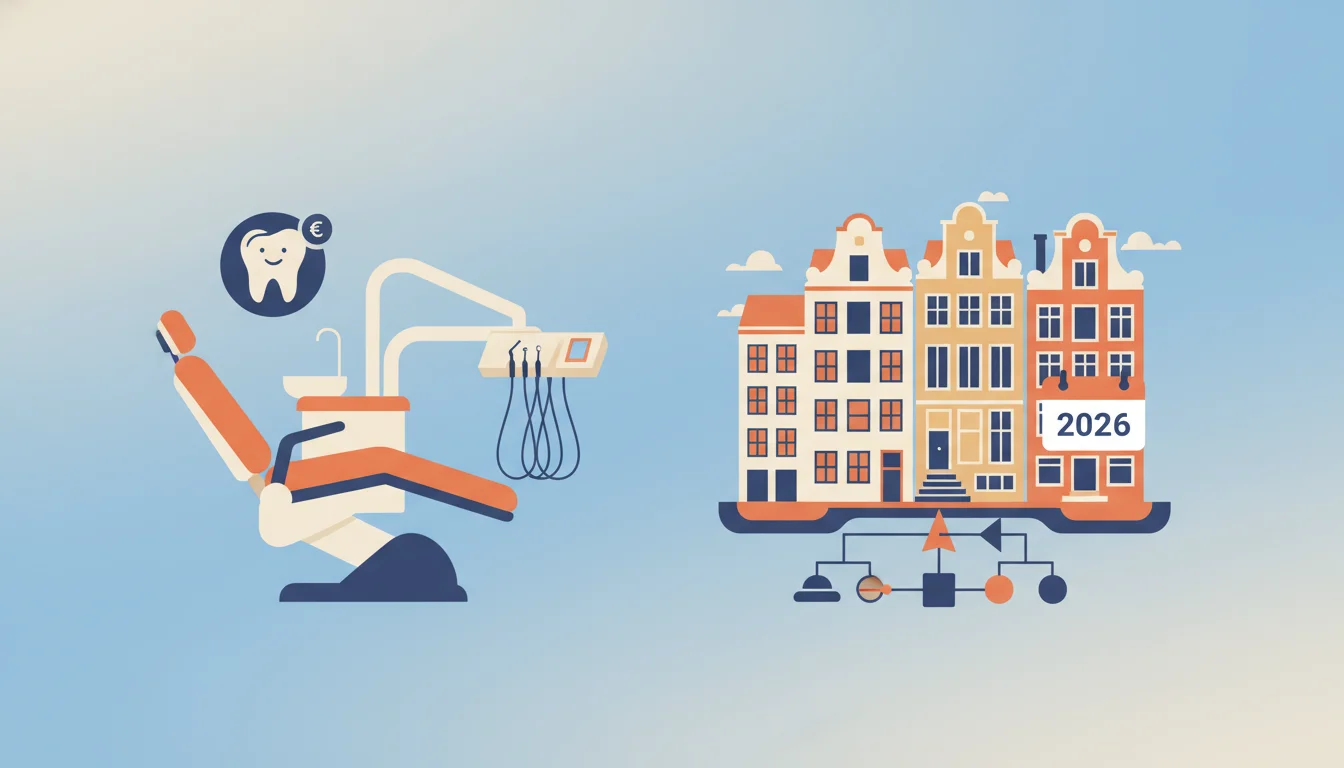
Moving to the Netherlands is an exciting adventure, but dealing with the administrative side of expatriate life can sometimes feel overwhelming. Between registering at the municipality, learning about Dutch utility bills, and figuring out the public transport system, your healthcare needs might accidentally take a backseat. However, understanding the Dutch healthcare system in 2026—specifically how to find a dentist (tandarts) and how dental costs work—is absolutely crucial for a smooth transition.
Unlike many other countries where dental care might be heavily subsidized by the state or included in your standard health coverage, the Netherlands treats adult dental care quite differently. Whether you are an expat working in Amsterdam, an international student in Groningen, or someone actively preparing for your civic integration exams (inburgeringsexamen), knowing the ins and outs of the Dutch dental system will save you time, money, and unnecessary toothaches.
In this comprehensive guide, we will walk you through exactly how to find a dentist in the Netherlands, explain the 2026 cost structures and insurance options, and provide you with the essential Dutch vocabulary you need to communicate effectively during your check-up.
The first thing you need to know about Dutch healthcare is the strict separation between general medical care and dental care for adults. Just as you need to know the specific protocols when communicating with your Dutch doctor (huisarts), you must understand that your general practitioner has nothing to do with your teeth.
In the Netherlands, basic health insurance (basisverzekering) is mandatory for all residents. However, for anyone aged 18 and older, this basic package does not cover routine dental care. It only covers specialized surgical dental procedures (usually performed in a hospital) and removable dentures. For regular check-ups, cleanings, fillings, and root canals, you have two choices: pay out of pocket, or purchase supplemental dental insurance (aanvullende tandartsverzekering).
If you are moving to the Netherlands with a family, there is excellent news: dental care for children and teenagers under the age of 18 is completely covered by the basic health insurance package. This includes preventive care, consultations, fillings, and even surgical procedures. The only major exception is orthodontics (braces), which requires a specific supplemental policy. According to the Dutch government's official health insurance portal, it is highly recommended to register your children with a dentist as soon as their first teeth appear.
Finding a dentist in the Netherlands is your own responsibility. The government will not assign one to you, and unlike the huisarts system, you are not strictly required to choose a dentist within your immediate postal code—though it is highly recommended for convenience.
Once you find a suitable clinic, you need to register (inschrijven). This is usually done online via the clinic's website. You will need to provide your BSN (Burgerservicenummer), your health insurance details, and your ID. If you have dental records from your previous dentist in your home country, it is highly advisable to request them and email them to your new Dutch dentist.
One of the most common questions expats ask is: "Should I get supplemental dental insurance?" In 2026, the answer requires a bit of math based on your personal dental history.
Supplemental dental insurance in the Netherlands works on a reimbursement cap system. You generally choose a policy that covers either 75% or 100% of the costs, up to a maximum amount per calendar year (usually €250, €500, or €750).
Let's say you choose a policy that costs €15 per month. That is €180 per year. This policy might cover 75% of your costs up to €250. If you only go to the dentist twice a year for a standard check-up (approx. €26 each) and maybe one quick cleaning with the hygienist (approx. €35), your total yearly dental bill is around €87.
In this scenario, paying €180 in insurance premiums to cover €87 worth of treatments does not make financial sense. Many Dutch people with healthy teeth choose to self-insure, meaning they pay for their bi-annual check-ups out of pocket. However, if you know you need a crown, multiple fillings, or a root canal, taking out the maximum supplemental insurance during the open enrollment period (mid-November to December 31st) is a very smart financial move.
To prevent price gouging, the Dutch government heavily regulates dental costs. The Dutch Healthcare Authority (NZa) sets fixed maximum rates for every single dental procedure. This means that a standard check-up will cost exactly the same whether you go to a luxury clinic in Amsterdam-Zuid or a standard practice in a small village in Friesland.
Dutch dental bills look like a complex spreadsheet, filled with specific alphanumeric codes. Understanding these codes is key to reading your invoice or estimating costs before a procedure. Here are the most common codes you will see in 2026:
If a proposed treatment will cost more than €250, the dentist is legally obligated to provide you with a written quotation (begroting) beforehand. This allows you to check with your insurance company to see exactly what will be covered.
Expats are often surprised to find that they rarely pay the receptionist directly after their appointment. In the Netherlands, most dental clinics outsource their invoicing to factoring companies like Infomedics or Anders Medical Factoring.
Here is how the process usually works:
If your dentist prescribes antibiotics or a special medicinal mouthwash during your visit, you will need to take that prescription to an apothecary. Knowing how to navigate Dutch pharmacies is essential, as the costs for these medications are separate from your dental bill and fall under your basic health insurance (subject to your deductible/eigen risico).
While almost all medical professionals in the Netherlands speak excellent English, making an effort to speak Dutch is highly appreciated and can help you feel more integrated. Plus, knowing the terminology ensures you understand your invoices and treatment plans.
Here is a list of essential Dutch dental vocabulary:
Learning specialized vocabulary can be tough, but you can master these terms quickly using StroopTaal's vocabulary building feature with spaced repetition. Our app ensures that words like wortelkanaalbehandeling move from your short-term to your long-term memory just in time for your check-up!
When you arrive at the clinic, you will report to the reception desk or scan your ID at a self-service terminal. You will then wait in the wachtkamer (waiting room). Dutch dentists are generally very punctual, so ensure you arrive at least 5 minutes early.
During a standard periodieke controle, the dentist will inspect your teeth, check your gums, and perhaps take routine X-rays. Dutch dentists lean towards a conservative approach to dentistry. They generally prioritize prevention and preserving your natural teeth over aggressive cosmetic interventions. If you need a cleaning, the dentist usually won't do it themselves; instead, they will schedule you for a separate appointment with the mondhygiënist.
Nervous about speaking Dutch during your appointment? Practicing these interactions is easy with StroopTaal. Our app features real-life Dutch conversation practice with AI, allowing you to role-play a dentist appointment. You can practice explaining your symptoms, asking for an estimate, and understanding the dentist's instructions—all with instant pronunciation feedback to build your confidence.
Dental emergencies don't always happen during office hours. If you knock out a tooth, experience severe swelling, or have unbearable pain on a Sunday or late at night, you need a spoedtandarts (emergency dentist).
Every region in the Netherlands has a dedicated emergency dental service. You can usually find the phone number on your own dentist's website or voicemail. Be aware that emergency appointments often require immediate payment on the spot (by debit card/PIN), and there is usually an extra surcharge for evening or weekend treatments.
Navigating Dutch healthcare in 2026 doesn't have to be a painful experience. By understanding the separation between basic and supplemental insurance, learning how the NZa cost codes work, and familiarizing yourself with the local terminology, you can take control of your dental health in the Netherlands with confidence.
Remember to register with a practice early, consider your insurance needs carefully during the open enrollment period, and don't be afraid to ask for a begroting (quote) before agreeing to major treatments.
Want to feel completely at ease during your next medical appointment? Download the StroopTaal app today! With our AI-powered personalized learning plans and interactive dialogue games, you can work toward chatting comfortably with your tandarts, huisarts, and neighbors. Start your daily streak today and make your Dutch integration journey a success!
Share this article:
Demystifying the Dutch Tax Return for Expats in 2026 Springtime in the Netherlands brings blooming tulips, longer days, unpredictable rain showers,...
Read moreWelcome to Utrecht: The Beating Heart of the Netherlands So, you are planning to move to Utrecht in 2026. Congratulations! With its iconic Dom Tower,...
Read moreWelcome to the Cycling Capital of the World Moving to the Netherlands comes with many exciting milestones: eating your first stroopwafel, navigating...
Read more