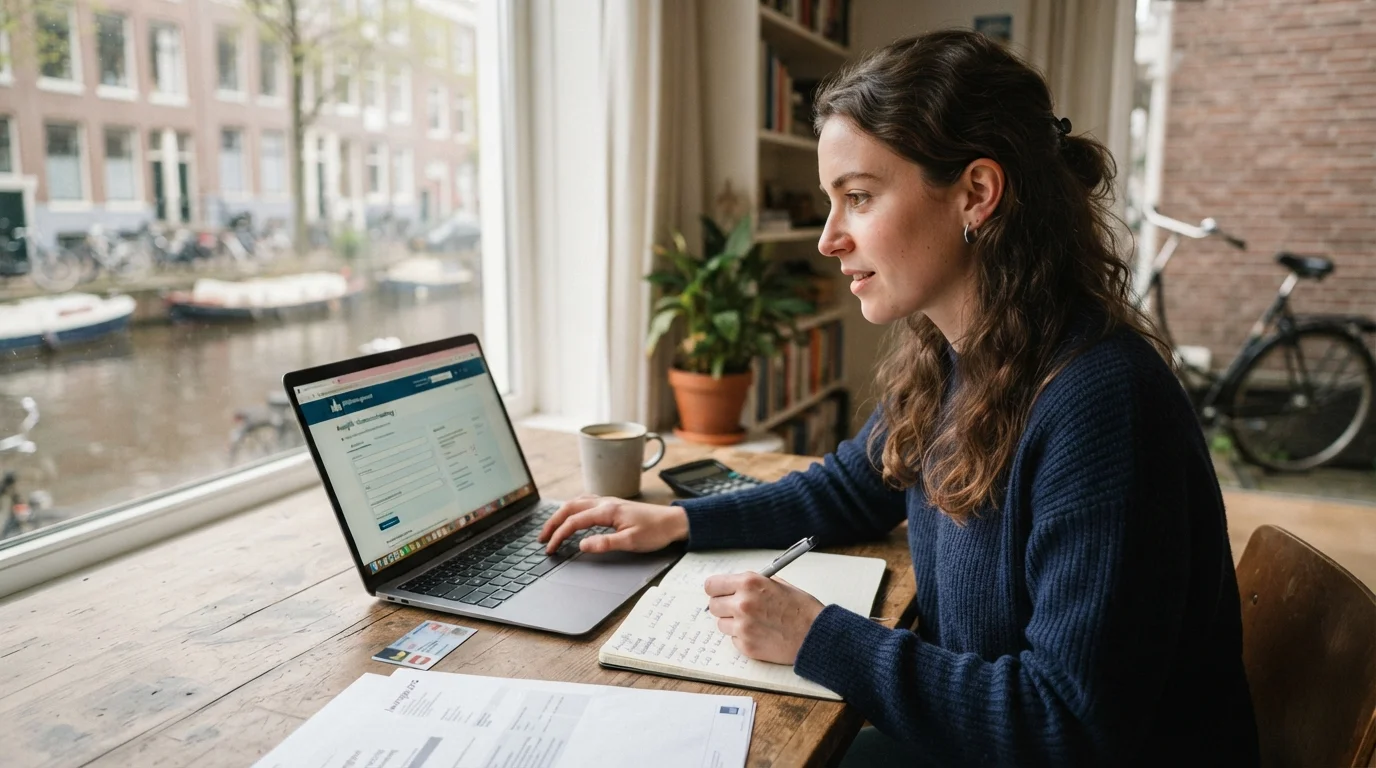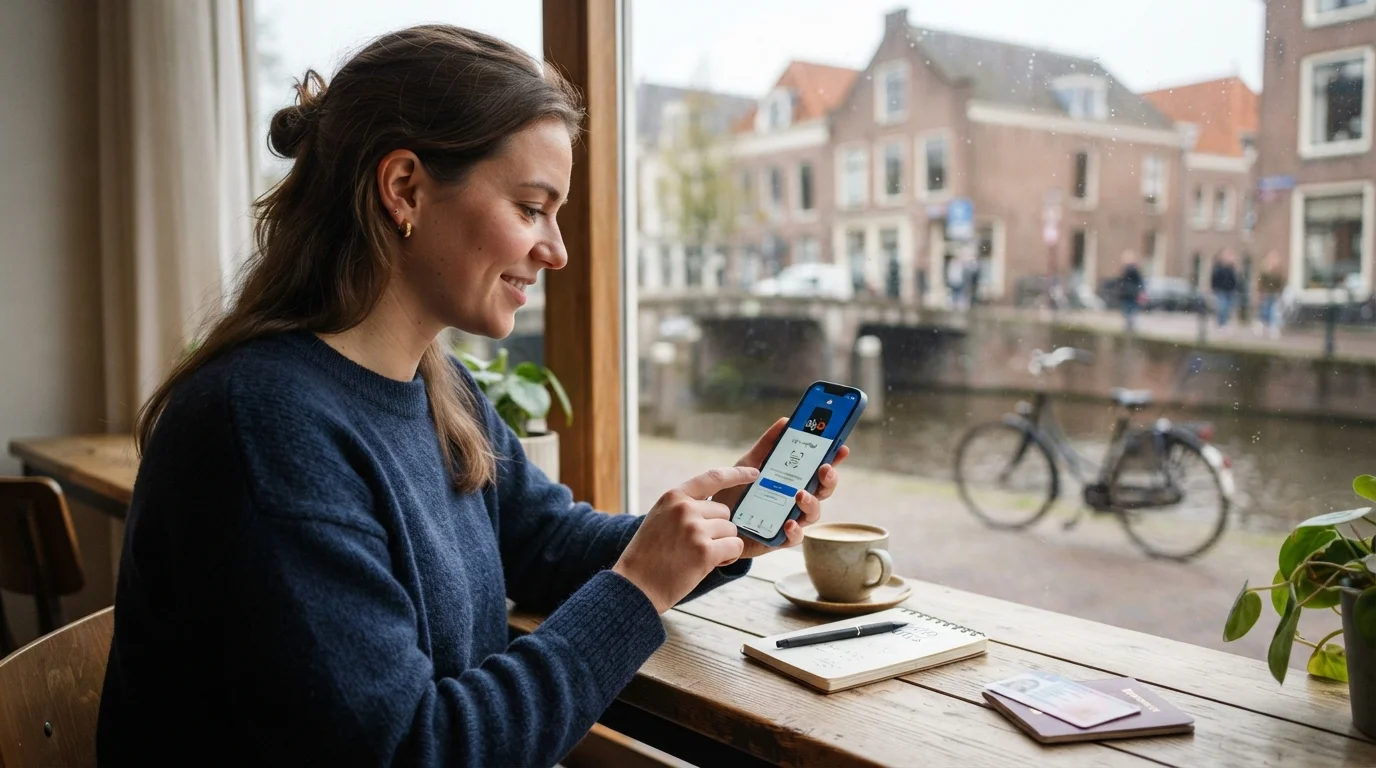
How to Use the DigiD App: The Ultimate Guide for New Residents
Welcome to Your New Digital Life in the Netherlands Moving to a new country is an exciting adventure, but it also comes with a mountain of...
Read more
Buying a house is one of the most exciting milestones of your life. Doing so in a foreign country, however, can feel like navigating an intricate maze. With its picturesque canals, historic brick facades, and highly efficient infrastructure, the Netherlands is an incredibly attractive place to settle down. But if you are an expat looking to transition from renting to owning, you have likely heard stories about the highly competitive Dutch housing market (woningmarkt).
While the process might seem daunting at first, the Dutch system is actually highly structured, transparent, and expat-friendly. From understanding mortgage options to negotiating with sellers, this comprehensive, step-by-step guide will walk you through everything you need to know about buying a house in the Netherlands. Along the way, we will also share how mastering key Dutch terms can give you a massive competitive advantage when dealing with agents and notary offices.
Before you start browsing real estate portals, you need to know exactly how much you can afford. In the Netherlands, most buyers secure a mortgage (hypotheek) to finance their purchase. As an expat, you are generally eligible for a Dutch mortgage, even if you do not yet hold permanent residency or Dutch citizenship, provided you have a valid residence permit and a stable income.
Dutch banks typically allow you to borrow up to 100% of the property's market value (as determined by an official valuation). This is a unique feature compared to many other countries where a substantial down payment is mandatory. However, you cannot borrow the closing fees (known as kosten koper or 'buyer's costs'), which usually amount to 5% to 6% of the purchase price. These costs include transfer tax, notary fees, and mortgage advisor fees, and they must be paid out of your personal savings.
It is highly recommended to hire an independent mortgage advisor (hypotheekadviseur). They will assess your financial situation, calculate your maximum loan capacity, and compare interest rates across dozens of lenders. Additionally, they can help you determine if you qualify for the National Mortgage Guarantee (Nationale Hypotheek Garantie or NHG), a government-backed scheme that protects you against default and often secures you a lower interest rate.
Don't forget that mortgage interest is often tax-deductible in the Netherlands (known as hypotheekrenteaftrek), which can significantly lower your monthly net housing costs. This is a crucial detail to keep in mind when understanding Dutch taxes and planning your long-term household budget.
Once you have a clear picture of your budget, it's time to start searching. The absolute hub of Dutch real estate is Funda, a comprehensive portal where almost every property for sale in the country is listed. You can filter by location, price, square footage, energy label, and number of bedrooms.
In the Netherlands, there is a strict distinction between the seller's agent (verkoopmakelaar) and the buyer's agent (aankoopmakelaar). The seller's agent represents the seller's best interests, not yours. Hiring your own aankoopmakelaar is highly advisable, especially in competitive urban areas like Amsterdam, Utrecht, Rotterdam, or The Hague.
A professional buying agent will:
During house viewings, being able to converse politely with agents in their native language can make a lasting positive impression. Using the StroopTaal app's interactive dialogue games and real-life Dutch conversation practice can help you build the confidence needed to chat with real estate professionals and ask important questions about the property's history.
When you find a house you love, you must act quickly. Your aankoopmakelaar will help you formulate a competitive bid. In a hot market, bidding the asking price (vraagprijs) is often not enough; you may need to overbid (overbieden) to secure the property.
An offer in the Netherlands is not just a number; it is a package of conditions. Your bid should always include:
If the seller accepts your offer, congratulations! The next step is signing the provisional purchase agreement (voorlopige koopovereenkomst). Despite the word 'provisional,' this contract is legally binding once signed by both parties.
By Dutch law, buyers are entitled to a three-day cooling-off period (bedenktijd) after signing the agreement. During these three days, you can back out of the purchase for any reason without financial consequences.
In the Netherlands, only an official notary (notaris) can legally transfer ownership of real estate. The buyer has the right to choose the notary and is responsible for paying their fees. The notary will perform title searches, ensure there are no outstanding debts on the property, manage the escrow account containing your deposit (usually 10% of the purchase price, often covered by a bank guarantee), and prepare the deed of transfer (leveringsakte) and the mortgage deed (hypotheekakte).
With the signed purchase agreement in hand, your mortgage advisor will submit your formal loan application to the lender. This process takes several weeks and requires you to provide extensive documentation, including your employment contract, recent payslips, tax statements, and an official valuation report (taxatierapport) compiled by an independent appraiser.
Once the bank approves your mortgage, they will transfer the funds directly to the notary's escrow account. On the day of transfer (overdracht), you will perform a final inspection of the house with your agent to ensure it is in the agreed-upon condition. Afterward, you will head to the notary's office to sign the deeds. The notary will register the deeds with the Dutch Land Registry (Kadaster), and you will be handed the keys to your new home!
To navigate this process smoothly, it helps immensely to understand the local terminology. Here is a handy list of key Dutch housing terms:
Mastering these terms doesn't just help you read contracts; it integrates you into the Dutch community. With StroopTaal's specialized vocabulary building tools with spaced repetition, you can easily memorize these essential legal and housing terms so you never feel lost during your meetings.
Once the keys are in your hand, there are a few practical administrative tasks you must complete immediately:
Buying a house in the Netherlands is a fantastic investment in your future, offering stability, tax advantages, and a place to truly call your own. While the paperwork and terminology can feel overwhelming, taking it step-by-step makes the process highly manageable.
Learning the local language is one of the most powerful tools you can have during this transition. Not only does it help you read legal documents with confidence, but it also allows you to build genuine relationships with your new neighbors, local contractors, and community members. Start preparing for your journey today by downloading the StroopTaal app to practice real-life Dutch conversations and master the vocabulary of your new home country. Veel succes met de verhuizing! (Good luck with the move!)
Share this article:
Welcome to Your New Digital Life in the Netherlands Moving to a new country is an exciting adventure, but it also comes with a mountain of...
Read moreConquering the Blauwe Envelop: A Guide to Dutch Income Tax For expats and new arrivals in the Netherlands, few things trigger as much mild panic as...
Read moreWelcome to the Netherlands: Your First Bureaucratic Step Moving to a new country is an exhilarating adventure. You are likely dreaming of cycling...
Read more