Inburgering Exemptions: Do You Qualify for a Waiver in 2026?
Navigating the Maze of Dutch Civic Integration Moving to the Netherlands is an exciting adventure filled with bicycles, stroopwafels, and picturesque...
Read more
This article was drafted by AI and edited by a person before it was published.
AI can get things wrong. For anything official, check the source it points to.
AI-generated image
Moving to the Netherlands is an exciting adventure filled with cycling, stroopwafels, and picturesque canals. However, for many expats and newcomers, staying here long-term involves a significant administrative hurdle: the Inburgering (Civic Integration) exam.
If you are planning to take your exams in 2026, it is crucial to understand the financial commitment involved. Under the Wet inburgering 2021, the landscape of integration has changed, placing more responsibility on municipalities but still leaving significant costs to the individual, depending on your visa status.
From rising exam fees to the often-overlooked "hidden" expenses of learning a new language, this guide breaks down exactly what you can expect to pay for your Dutch civic integration in 2026 and how to budget smartly.
The most obvious cost is the price of the exams themselves. Administered by DUO (Dienst Uitvoering Onderwijs), these fees are adjusted annually for inflation. While 2026 rates are subject to final government indexation, we can project costs based on current trends.
To obtain your diploma, you generally need to pass the following components (prices are estimated projections for 2026):
Total for Central Exams: Approx. €300 - €350
Note: If you are required to take the ONA (Orientation on the Dutch Labour Market) or the newer MAP (Module Labour Market and Participation), costs can vary significantly depending on whether you submit a portfolio or require an interview, potentially adding another €100+ to your total.
Unless you are a linguistic genius, you will likely need formal instruction to reach the required A2 or B1 level (depending on your specific integration requirement). This is where the costs vary wildly.
Traditional language schools in cities like Amsterdam, Rotterdam, or Utrecht can be pricey. In 2026, expect to pay:
Many integrators are eligible for a loan from DUO (up to €10,000 depending on your situation) to pay for approved courses. However, remember that a loan is still a debt. If you pass your exams within the 3-year deadline, asylum status holders often have this debt forgiven, but many other expats must repay it with interest.
Budgeting for the exam fees and a course is a good start, but seasoned expats know that the "hidden" costs can drain your bank account just as fast.
Even if you sign up for a course, textbooks are rarely included. Popular series like Nederlands in Gang or Welkom in Nederland (for KNM) cost between €40 and €60 each. You will likely need 3 to 4 books throughout your journey.
If your language school isn't within cycling distance, you will be relying on the NS (Dutch railways) or local buses. With public transport fares rising annually, commuting to a class twice a week can add €50–€100 per month to your budget.
This is the expense you want to avoid most. If you fail a component, you must pay the full exam fee again to retake it. There is no discount for a second try. Failing the Speaking exam twice could cost you an extra €140, not to mention the stress and time delay.
The good news is that you don't need to spend thousands of euros to pass. By being strategic with your preparation, you can drastically reduce your expenses.
The most expensive part of learning Dutch is usually hiring a human to practice speaking with. However, in 2026, technology offers a wallet-friendly alternative. Apps like StroopTaal provide AI-powered real-life conversation practice for everyday speaking, plus exam practice for the speaking part of the exam.
Instead of paying a tutor €70/hour to correct your grammar, you can use StroopTaal to practice ordering coffee, discussing work, or talking to the doctor. The app provides instant feedback on your pronunciation and grammar, allowing you to build confidence for a fraction of the cost of private lessons.
You do not need a classroom to memorize vocabulary or learn the rules of De and Het. Self-study is free. Use spaced repetition tools to build your vocabulary daily. StroopTaal, for instance, includes dedicated De/Het article mastery games and grammar lessons ranging from A0 to C1. By mastering the basics independently, you can skip the beginner courses and enter a language school at a higher level, saving hundreds of euros. For example, you can learn how to use niet vs geen correctly or study when to use -en vs -s for plurals without a teacher.
Never take the real exam without doing mock exams first. DUO offers free practice exams online. Combine these with the Inburgering exam preparation modules in your learning app to ensure you are familiar with the format before you pay the exam fee.
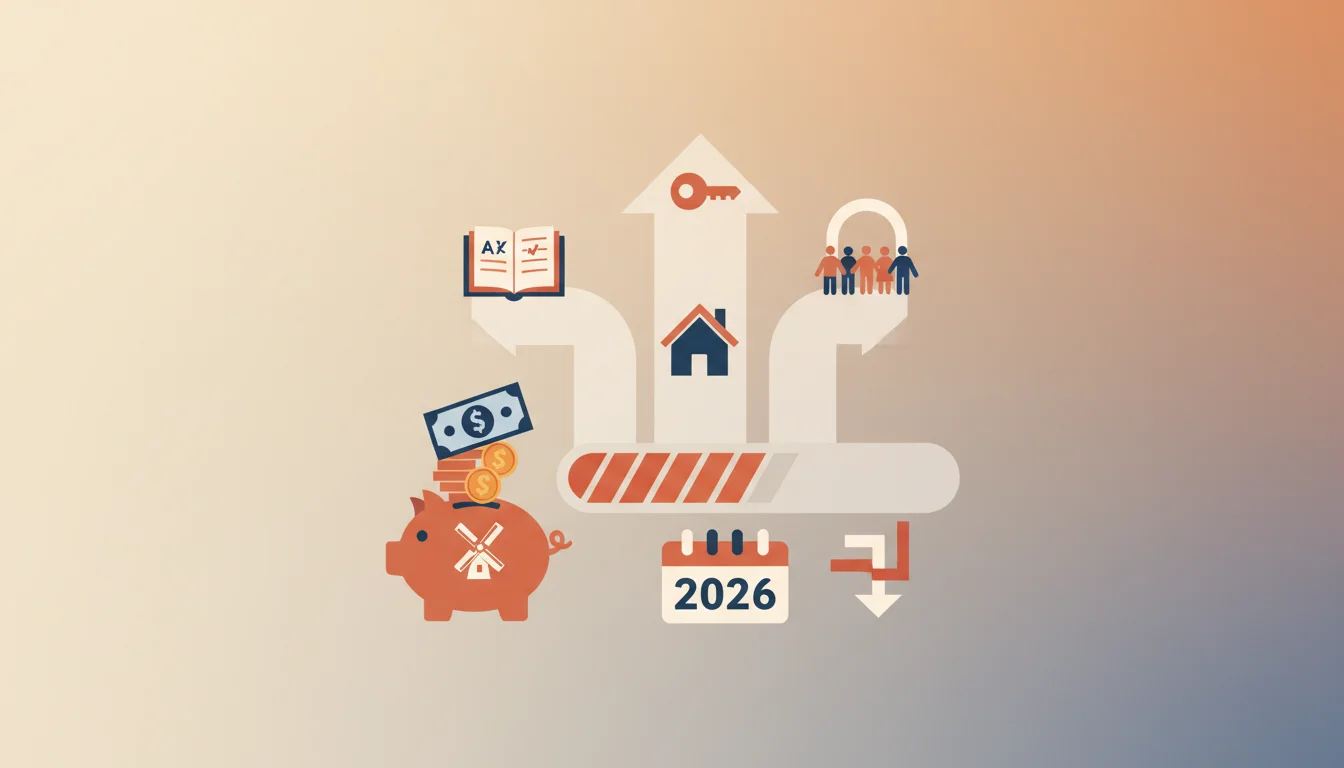
Looking at the numbers, the total cost of Inburgering in 2026—including exams, courses, and materials—can range from €800 (mostly self-study) to over €4,000 (intensive private schooling).
While this seems steep, consider the return on investment. Passing the Inburgering is the gateway to permanent residency and Dutch citizenship. It opens up the labor market, simplifies understanding Dutch work contracts, and helps you truly feel at home in the Netherlands.
The cost of Inburgering in 2026 is manageable if you plan ahead. Don't let the fees surprise you. Budget for the exams, be smart about which courses you pay for, and utilize modern tools to supplement your learning.
Ready to start saving on your Dutch learning journey? Download StroopTaal today to access personalized learning plans, pronunciation training, and daily AI conversation practice with Premium. Prepare smarter, not harder.
Share this article:
Navigating the Maze of Dutch Civic Integration Moving to the Netherlands is an exciting adventure filled with bicycles, stroopwafels, and picturesque...
Read moreThe 9-to-5 Expat Dilemma The alarm rings at 7:00 AM. You rush through your morning routine, commute to the office (or your home desk), and spend the...
Read moreIs there anything more panic-inducing than hearing a Dutch sentence, understanding the first two words, and then watching the rest dissolve into a...
Read more