Top 10 Reading Passages for the Inburgering B1 Exam
Preparing for the Dutch civic integration exam at the B1 level brings a noticeable shift in complexity. At the A2 level, reading assessments largely...
Read more
This article was written by AI and published by StroopTaal.
AI can get things wrong. For anything official, check the source it points to.
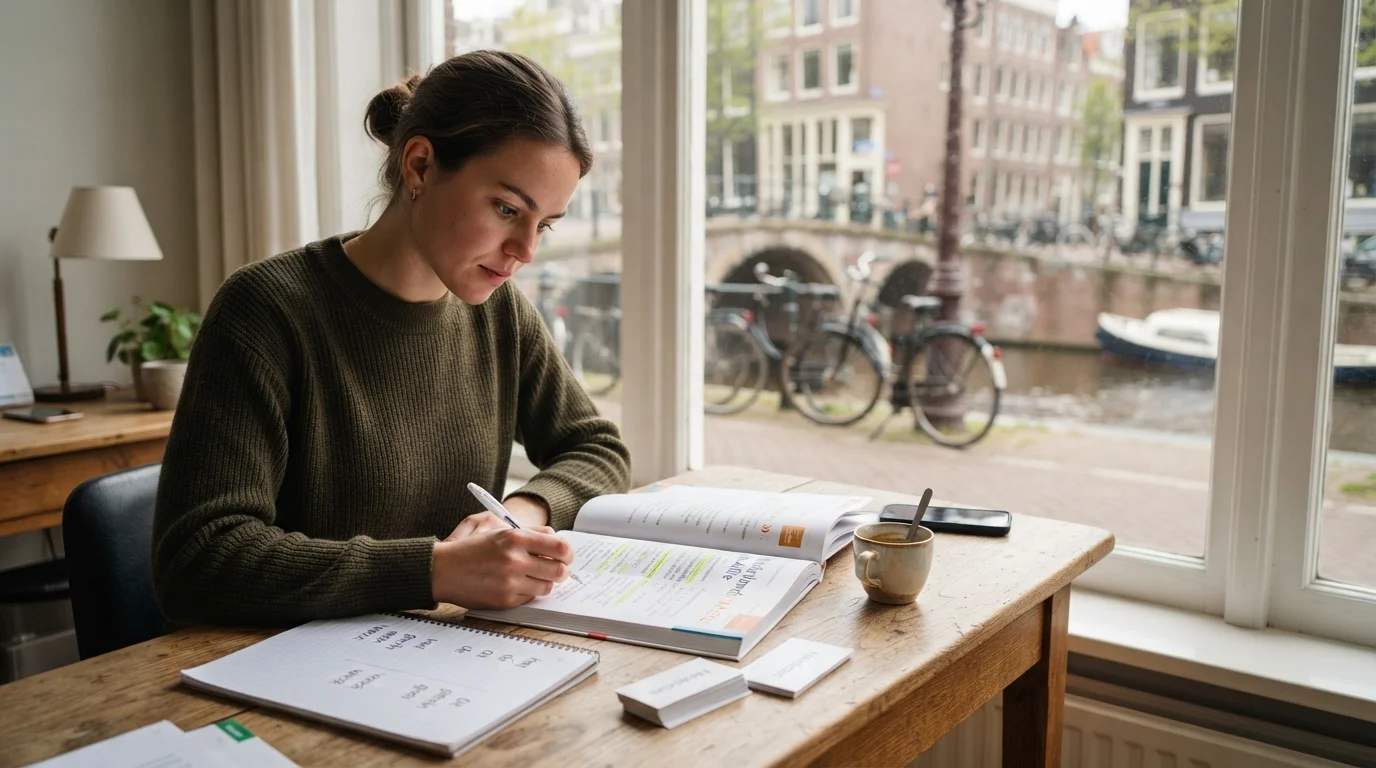
AI-generated image

Preparing for your civic integration exam (inburgeringsexamen) in the Netherlands can feel daunting under normal circumstances. When you live with a physical disability, a chronic illness, a sensory impairment, or a specific learning disorder such as dyslexia or ADHD, the standard exam environment can pose additional, unfair hurdles. Fortunately, the Dutch education executive agency, Dienst Uitvoering Onderwijs (DUO), provides specific provisions known as special exam conditions or medical accommodations (aangepaste examens).
Whether you require extra testing time, specialized software, a private room, or a complete exemption on medical grounds, the Dutch government maintains clear legal pathways to ensure testing is accessible. However, navigating the Dutch bureaucratic paperwork requires careful planning and strict adherence to protocol. This comprehensive guide walks you through every stage of requesting medical accommodation for your Dutch integration exam in 2026, helping you organize the required medical evidence and understand what adjustments are possible.
Before initiating an application with DUO, it is crucial to determine whether you need an adapted examination (aangepast examen) or a medical exemption (ontheffing op medische gronden). These two pathways serve completely different needs and follow separate administrative processes.
If you are capable of learning Dutch and taking the tests but require practical adjustments due to a medical condition or disability, you request an adapted exam. These modifications do not lower the language standards; rather, they adjust the conditions under which you demonstrate your knowledge. Examples include extended time for reading, screen-magnifying software for visual impairments, specialized noise-canceling headphones, or ergonomic seating.
A medical exemption means you are formally excused from sitting one or more components of the civic integration exam because of a severe, long-term physical or psychological condition that permanently prevents you from learning the language. A formal exemption requires an independent medical assessment conducted by an agency designated by DUO (such as Argonaut Advies), rather than just a note from your personal family doctor (huisarts).
Keep in mind that managing your integration obligations involves strict time limits. You can learn more about managing these statutory windows in our guide on how to calculate your inburgering deadline and avoid DUO fines.
DUO offers a variety of reasonable adjustments across all exam components: Reading (Lezen), Listening (Luisteren), Writing (Schrijven), Speaking (Spreken), and Knowledge of Dutch Society (Kennis van de Nederlandse Maatschappij, or KNM). Depending on your documented diagnosis, you may be eligible for:
Understanding the vocabulary used in institutional communications is vital. If you are preparing for the societal knowledge component, brushing up on essential KNM exam terms on Dutch society and politics can help you navigate institutional procedures with confidence.
Securing exam adjustments requires planning ahead. DUO evaluates accommodation requests individually, and processing times can take several weeks or months. Follow these steps to ensure your application proceeds smoothly.
The foundation of any accommodation request is objective medical documentation. In the Netherlands, an informal letter from a general practitioner stating that you find exams stressful is not sufficient. DUO requires formal diagnostic reports from a qualified specialist, such as:
The documentation should ideally be in Dutch (or English, though Dutch is preferred) and must clearly state: the formal clinical diagnosis, how the condition impairs your ability to sit an exam under standard conditions, and the specific adjustments recommended by the specialist.
Log in to your personal portal on the official Inburgeren.nl website using your DigiD. Navigate to the exam registration section:
After reviewing your file, DUO will issue a formal decision (beschikking) via your Mijn Inburgering portal. This letter details precisely which accommodations have been granted (for example, "30 minutes additional time for Reading"). Keep this letter saved, as it forms the basis of your exam scheduling.
Once DUO approves your request, you cannot simply book regular exam slots through the automated calendar. Adapted exams often require manual scheduling by DUO staff to reserve specific facilities (such as an isolated testing room or specialized workstation). Follow the scheduling instructions provided in your approval letter, which may require contacting the DUO customer contact center directly to fix your test date and location.
Dyslexia is one of the most frequent grounds for exam accommodations. If you received a dyslexia diagnosis outside the Netherlands, DUO may require that your diagnosis complies with the criteria established by Dutch professional bodies (such as the Stichting Dyslexie Nederland).
Your dyslexia report should outline the testing batteries used during assessment and explicitly state the degree of reading or writing impairment. If your original documentation is in a foreign language other than English, you will likely need to have it translated by a sworn translator (beëdigd vertaler). When approved, candidates with dyslexia frequently receive extended time during both the reading and writing sections.
Practicing under timed conditions before the test is vital. You can build up your confidence by working through reading passages for the inburgering exam to determine how much extra time you genuinely need for text comprehension.
In cases where a permanent physical or mental disability makes it entirely impossible to achieve the required language level, you can apply for an exemption from civic integration. The steps for this process are strict:
Once your adapted session is scheduled, practical preparation ensures that test day runs smoothly without unexpected surprises:
Receiving accommodations provides an equitable testing environment, but thorough preparation remains the cornerstone of success. Consistent, structured daily practice allows you to build genuine language competence so that test conditions feel manageable.
If you are looking for structured study support on your phone or tablet, the StroopTaal app offers a comprehensive path from A0 to C1 tailored to the Dutch of daily life, work, and integration in the Netherlands. StroopTaal's Premium tier includes dedicated exam practice for the inburgering exam (at A2 and B1) across reading, writing, listening, speaking, and KNM. You can practice each part of the exam on its own with a built-in timer, receiving AI grading on your writing and speaking alongside a calculated readiness score. Because the app breaks down learning into short lessons, bite-sized reviews, and spaced repetition, you can progress steadily at your own pace without feeling overwhelmed.
If DUO rejects your request for accommodations or medical exemption, you are entitled to appeal. The decision letter will include instructions on filing a formal objection (bezwaarschrift):
| Phase | Action Item |
|---|---|
| 1. Diagnosis | Obtain a formal report from a qualified specialist or a recognized dyslexia statement. |
| 2. Application | Submit the request through Mijn Inburgering with all supporting documentation attached. |
| 3. Confirmation | Receive the written decision letter from DUO outlining authorized adaptations. |
| 4. Booking | Coordinate directly with DUO to schedule an adapted exam session. |
| 5. Exam Day | Bring your approval letter and ID, inspect the workstation, and take your test calmly. |
Ensuring that your test conditions reflect your medical needs is your legal right under Dutch administrative guidelines. By securing your documentation early, submitting clear requests through DUO, and structuring your language preparation, you can approach your integration exams with clarity and peace of mind.
Share this article:
Preparing for the Dutch civic integration exam at the B1 level brings a noticeable shift in complexity. At the A2 level, reading assessments largely...
Read morePreparing for the Dutch civic integration exam (inburgeringsexamen) without formal classroom instruction can feel daunting. With multiple distinct...
Read moreIf you are navigating the civic integration process in the Netherlands under the 2013 integration act, few milestones feel quite as intimidating as...
Read more