Dutch Summer Festivals 2026: Ultimate June Guide
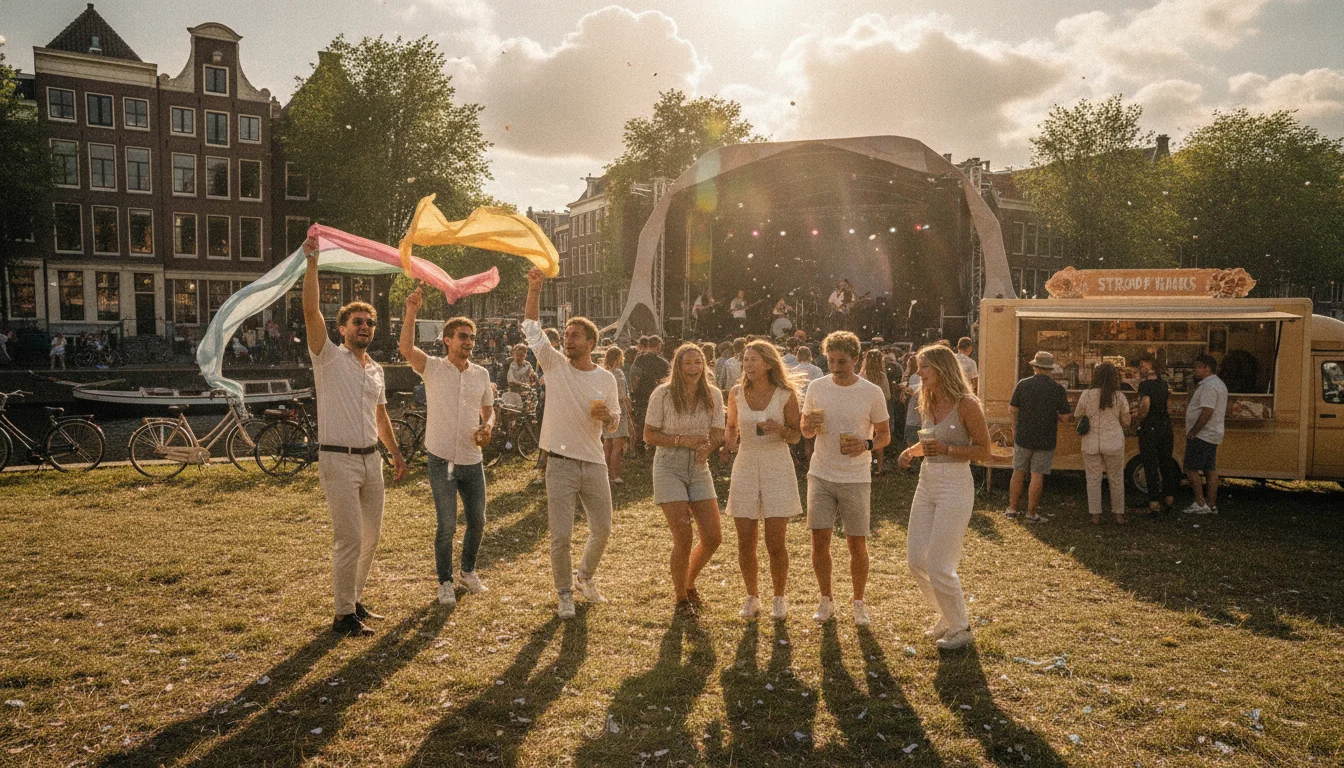
Embracing the Dutch Summer: Your Guide to June 2026 Festivals When June arrives in the Netherlands, the entire country undergoes a magical...
Read more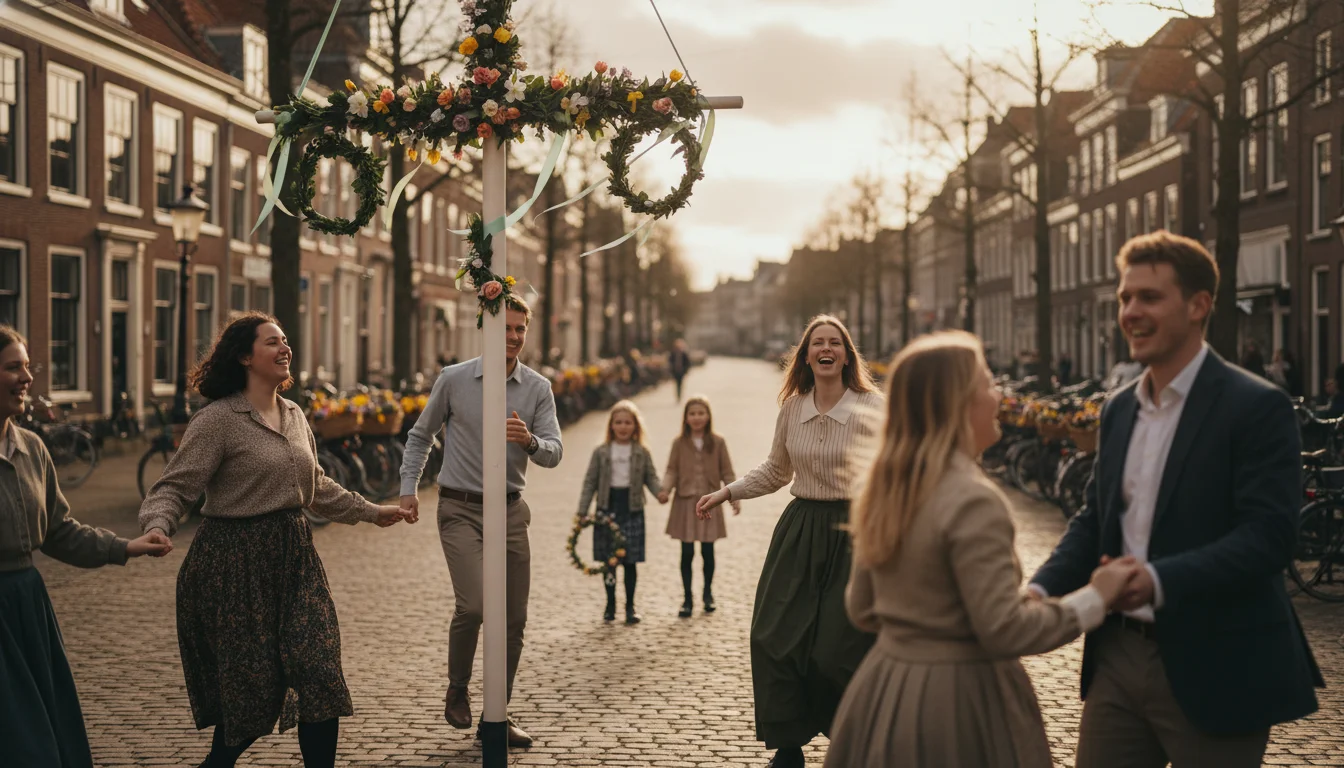
When spring arrives in the Netherlands, the minds of most expats and tourists immediately drift to endless fields of vibrant tulips, historic windmills turning in the breeze, and cycling along sun-drenched canals. However, deep within the cultural fabric of the Dutch provinces lies a lesser-known, enchanting spring tradition that dates back centuries: the raising of the Maypole, known locally as de Meiboom.
For language learners and expats aiming to truly integrate into Dutch society, understanding these local folklore customs is just as important as mastering grammar rules. These traditions offer a fascinating window into regional identity, community spirit, and historical folklore. In this comprehensive guide, we will explore the history, regional variations, and lively rituals of the Dutch Maypole tradition, while equipping you with the essential Dutch vocabulary to talk about it like a local.
While urban centers like Amsterdam and Rotterdam celebrate spring with modern music festivals and outdoor terrace dining, rural and southern regions of the Netherlands welcome the warmer months by honoring ancient connections to the land. The planting of the Maypole (het planten van de meiboom) is a festive rite of passage that signals the triumph of spring over winter, fertility, and community solidarity.
Gathering around the town square to raise a towering, decorated pine or birch tree is a wonderful way to experience the unique sense of Dutch gezelligheid. It is a time when neighbors of all generations come together, share a local beer, sing traditional songs, and participate in friendly rivalries that have kept local communities connected for generations.
The Maypole tradition is not unique to the Netherlands; it is shared across many European cultures, from Germany (Maibaum) to Sweden (Midsommarstång). The custom has pagan roots, originally serving as a fertility rite to ensure bountiful crops, healthy livestock, and prosperous marriages in the coming year. The tree itself represents the "Tree of Life," connecting the earth with the heavens.
In the Middle Ages, the Catholic Church integrated these pagan spring festivals into the Christian calendar, often aligning them with Pentecost (Pinksteren) or the feast days of local patron saints. Today, the religious and pagan elements have largely faded, leaving behind a cherished cultural celebration recognized by the Dutch Inventory of Intangible Cultural Heritage. The modern Maypole symbolizes community pride, cooperation, and the welcoming of the agricultural season.
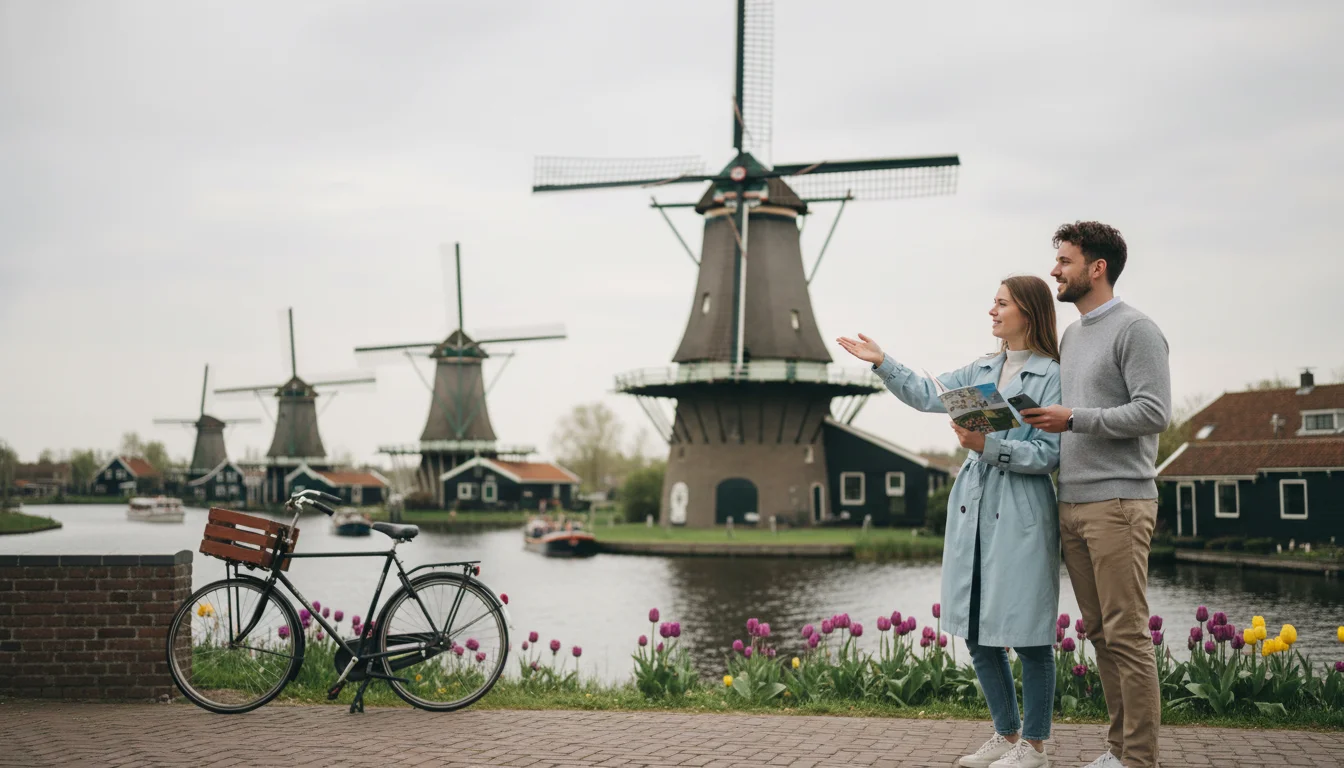
If you want to experience a genuine Dutch Maypole celebration, you will need to venture outside the Randstad. The tradition is most alive in the southern province of Limburg and the eastern regions of Twente (Overijssel) and the Achterhoek (Gelderland). If you are planning a spring road trip to see these traditions, consider combining your trip with exploring historic Dutch windmills during spring.
The absolute epicenter of the Dutch Maypole tradition is the picturesque town of Valkenburg aan de Geul in South Limburg. Here, the tradition is kept alive by the jonkheid—traditional youth associations composed of unmarried young men from the village.
Every year on the eve of May 1st (or on the first Sunday of May), the members of the Jonkheid van Valkenburg march into the local woods to select and fell a massive pine tree. The tree is stripped of its lower branches, leaving only a green crown at the very top. It is then decorated with colorful ribbons, flowers, and a wooden ring. The young men haul the heavy tree back to the town center using historic wagons, where they raise it entirely by hand using long wooden poles and sheer muscle power. The event is accompanied by brass bands, traditional costumes, and plenty of local cheer.
In the eastern provinces of Gelderland and Overijssel, the Maypole tradition is closely linked to the construction of new homes and community buildings. In these regions, when a building reaches its highest point during construction, a small Maypole or green branch (meitak) is placed on the roof. This is celebrated with pannenbier (roof-tile beer), where the future homeowner treats the construction workers and neighbors to drinks to celebrate the milestone.
Additionally, some eastern villages erect a communal Maypole in the village square to foster neighborly bonds, often organizing folk dances and community barbecues around the base of the tree.
One of the most thrilling and humorous aspects of the Dutch Maypole custom is the tradition of Maypole stealing (meiboomstelen). This playful rivalry exists between neighboring villages, particularly in Limburg.
Once a village's jonkheid has selected and felled their perfect tree, they must guard it day and night before it is officially raised. If a rival village manages to steal the tree undetected, the victims must pay a "ransom" to get it back. This ransom typically consists of several crates of beer or a community barbecue where both villages celebrate together.
There are strict, unwritten rules to this game: no violence is allowed, the tree cannot be damaged, and once the tree is erected in the village square, it is considered "safe" and can no longer be stolen. This friendly competition builds strong inter-community bonds and provides endless stories for locals to laugh about over a drink.
To help you talk about these traditions and connect with locals during your spring travels, here is a list of essential Dutch terms related to the Maypole festivities:
Mastering these vocabulary words will make your conversations with locals much richer. If you are preparing for your civic integration exam (inburgeringsexamen), showcasing knowledge of regional Dutch culture and vocabulary is an excellent way to stand out. As May is a month packed with national holidays, you might also find yourself celebrating Liberation Day in the Netherlands shortly after the Maypole festivities, giving you even more opportunities to practice your language skills in real-world settings.
Learning a language is about so much more than memorizing conjugation tables and vocabulary lists. True fluency comes from understanding the cultural context behind the words. When you learn about traditions like the Meiboom, you gain insight into the Dutch mindset, regional pride, and the deep-seated value of community cooperation.
This is where StroopTaal can elevate your learning experience. StroopTaal is an AI-powered Dutch language learning app designed to make your learning journey engaging, practical, and deeply cultural. Instead of generic exercises, StroopTaal offers cultural lessons about life and customs in the Netherlands, helping you understand the history behind the holidays you see celebrated around you.
With StroopTaal's real-life Dutch conversation practice with AI, you can simulate chatting with a local about regional traditions, practicing your pronunciation with instant feedback before you head out to explore Limburg or Twente. Whether you are at an A0 beginner level or aiming for C1 fluency, StroopTaal tailors your learning plan to your specific goals, ensuring you build the vocabulary you need to discuss everything from local folklore to daily life.
The Dutch Maypole tradition is a beautiful reminder of the country's rich history and the enduring strength of its local communities. Whether you find yourself watching the young men of Valkenburg hoist a massive pine tree by hand or enjoying a glass of pannenbier with neighbors in the east, participating in these spring customs is a surefire way to feel more at home in the Netherlands.
As you step out to enjoy the spring weather, take your Dutch learning to the next level. Download the StroopTaal app today, start your daily streak, and unlock the cultural and linguistic confidence you need to fully embrace life in the Low Countries!
Share this article:
Embracing the Dutch Summer: Your Guide to June 2026 Festivals When June arrives in the Netherlands, the entire country undergoes a magical...
Read moreIf you have ever spent more than five minutes in the Netherlands, or if you are currently preparing to move there, you have undoubtedly crossed paths...
Read moreThe Iconic Sentinels of the Low Countries Picture the Netherlands in late spring: fields of vibrant tulips swaying in the breeze, historic canals...
Read more