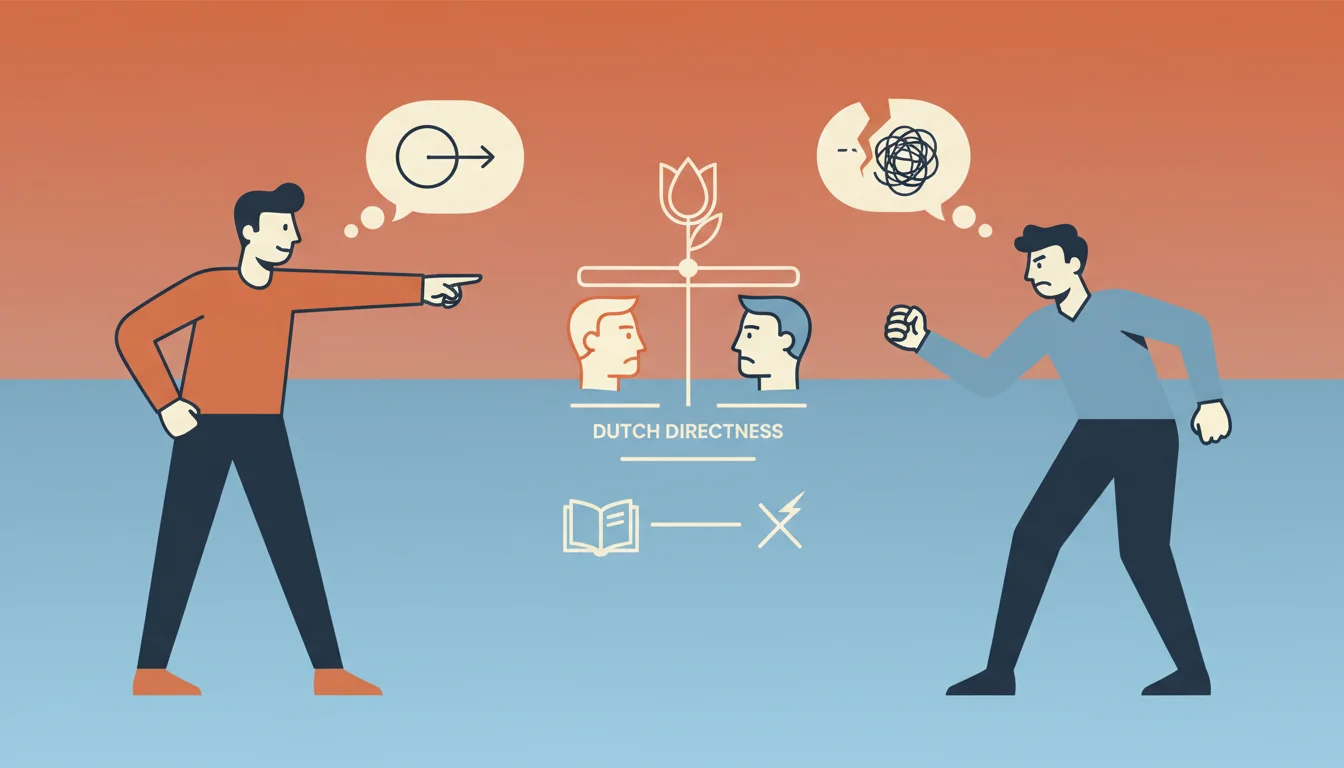
Dutch Directness vs. Rudeness: A Social Etiquette Guide
Is it Me, or Was That Rude? Picture this: You have just moved to Amsterdam. You spent twenty minutes styling your hair this morning. You walk into...
Read more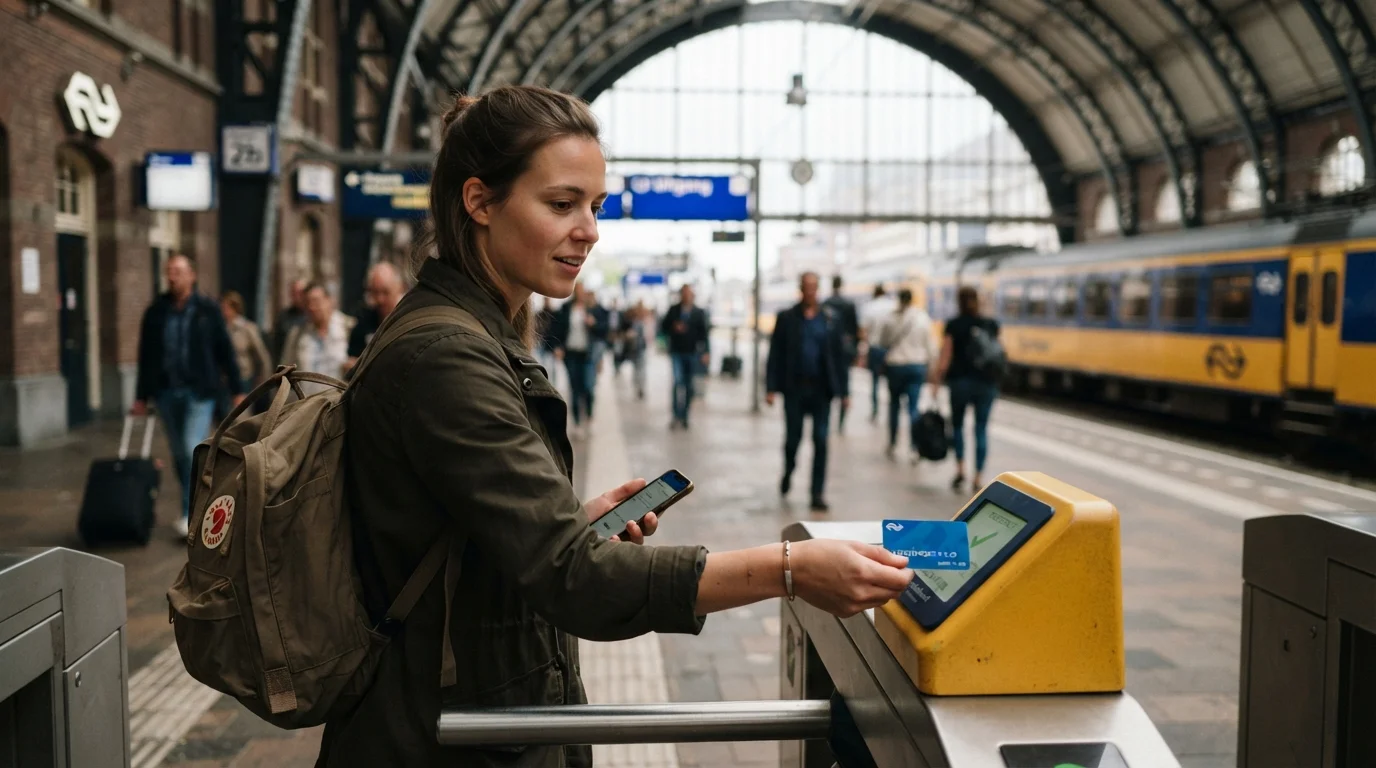
If you have just arrived in the Netherlands, you have likely noticed a distinct sound echoing through train stations and bus terminals: a sharp, electronic beep. This is the sound of the OV-chipkaart, the golden ticket to navigating the extensive and efficient Dutch public transport network.
Whether you are an expat settling into Amsterdam, a student in Utrecht, or preparing for your civic integration exams, understanding how to use this card is essential. While the system is efficient, it can be a bit daunting for newcomers. How much does it cost? Where do you buy it? And what happens if you forget to check out?
In this guide, we will break down everything you need to know about the OV-chipkaart and how to navigate the Netherlands like a local.
The OV-chipkaart (Public Transport Chip Card) is a contactless smart card system used for all public transport in the Netherlands. This includes trains (NS and regional carriers like Arriva), buses, trams, and metros. Gone are the days of buying separate paper tickets for every leg of your journey; one card covers it all.
While the country is currently rolling out OVpay (which allows you to check in with your debit card or phone), the classic OV-chipkaart remains vital for anyone living here long-term, especially if you want to take advantage of discount subscriptions.
There are two main types of cards, usually distinguished by color: the blue card and the yellow card.
This is a blue card that you can buy at station vending machines, service counters, and some supermarkets. It costs €7.50 (for the card itself, with no credit).
This is a yellow card featuring your photo, name, and date of birth. You must order this online via the official OV-chipkaart website.
The most critical verb you will learn regarding transport is inchecken (checking in) and uitchecken (checking out).
When you start your journey, hold your card against the card reader (located at gates or on poles) until you hear a beep and see a green light. When you finish your journey, you must hold your card against the reader again to check out. The display will show how much the trip cost and your remaining balance.
Recently, the Netherlands introduced OVpay. This allows you to check in and out using your contactless debit card, credit card, or mobile phone wallet. This is fantastic for tourists or casual travelers because you don't need to buy a separate plastic card.
However, be careful! If you have your OV-chipkaart and your bank card in the same wallet, the card reader might scan the wrong one (or both!). Always take the specific card you intend to use out of your wallet before scanning.
Navigating the station becomes much easier when you understand what the signs and announcements are saying. Here are a few words to get you started:
Learning these terms is not just helpful for travel; it is a great way to practice your Dutch in a real-world context. This is where StroopTaal can be a game-changer for your learning journey. The app includes interactive dialogue games specifically designed for practical scenarios like buying tickets or asking a conductor for help. By practicing with StroopTaal’s AI, you won’t panic when you hear an announcement about a wisselstoring (switch malfunction)!
If you live in the Netherlands and take the train more than twice a month, look into the Dal Voordeel subscription from NS. For a small yearly fee (often around €60), you get 40% off train travel during off-peak hours and weekends. You can even bring three friends along at the same discounted rate!
Most cards are set to 2nd class (Tweede Klas) by default. If you sit in a 1st class carriage (marked with a large '1' on the outside and usually featuring quieter, red seats) with a 2nd class ticket, you can be fined. Ensure your card settings match your seat. This is a common mistake, much like the false friends that confuse English speakers when they first arrive.
While Google Maps works well, the local app 9292 is the holy grail of Dutch travel planning. It combines real-time data from all transport companies to give you the fastest route door-to-door. It is particularly helpful when you need to tell time in Dutch to catch your next connection.
If you are planning to stay in the Netherlands long-term, you might be preparing for the Inburgeringsexamen (Civic Integration Exam). Knowing how the public transport system works is actually a component of the 'Knowledge of Dutch Society' (KNM) part of the exam.
StroopTaal offers dedicated cultural lessons that cover these exact topics, alongside vocabulary building and grammar. Whether you are struggling with the difference between de and het train station or need to practice reading travel schedules, StroopTaal’s personalized learning plans adapt to your level, taking you from A0 all the way to C1 mastery.
The Dutch public transport system is one of the best in the world. Once you master the rhythm of the check-in and check-out beep, you will find it to be an incredibly freeing way to explore the country. From the canals of Amsterdam to the architecture of Rotterdam, it is all just a train ride away.
Ready to take your Dutch skills on the road? Download StroopTaal today to practice your pronunciation, master transport vocabulary, and travel the Netherlands with confidence!
Share this article:
Is it Me, or Was That Rude? Picture this: You have just moved to Amsterdam. You spent twenty minutes styling your hair this morning. You walk into...
Read moreMoving to the Netherlands is an exciting adventure filled with canals, bicycles, and—inevitably—bureaucracy. For highly skilled migrants, one of...
Read moreMoving to the Netherlands is an exhilarating adventure filled with canals, stroopwafels, and cycling. However, amidst the excitement of your...
Read more