Opening a Dutch Bank Account: The Ultimate Expat Guide
Moving to the Netherlands is an exhilarating adventure filled with canals, stroopwafels, and cycling. However, amidst the excitement of your...
Read more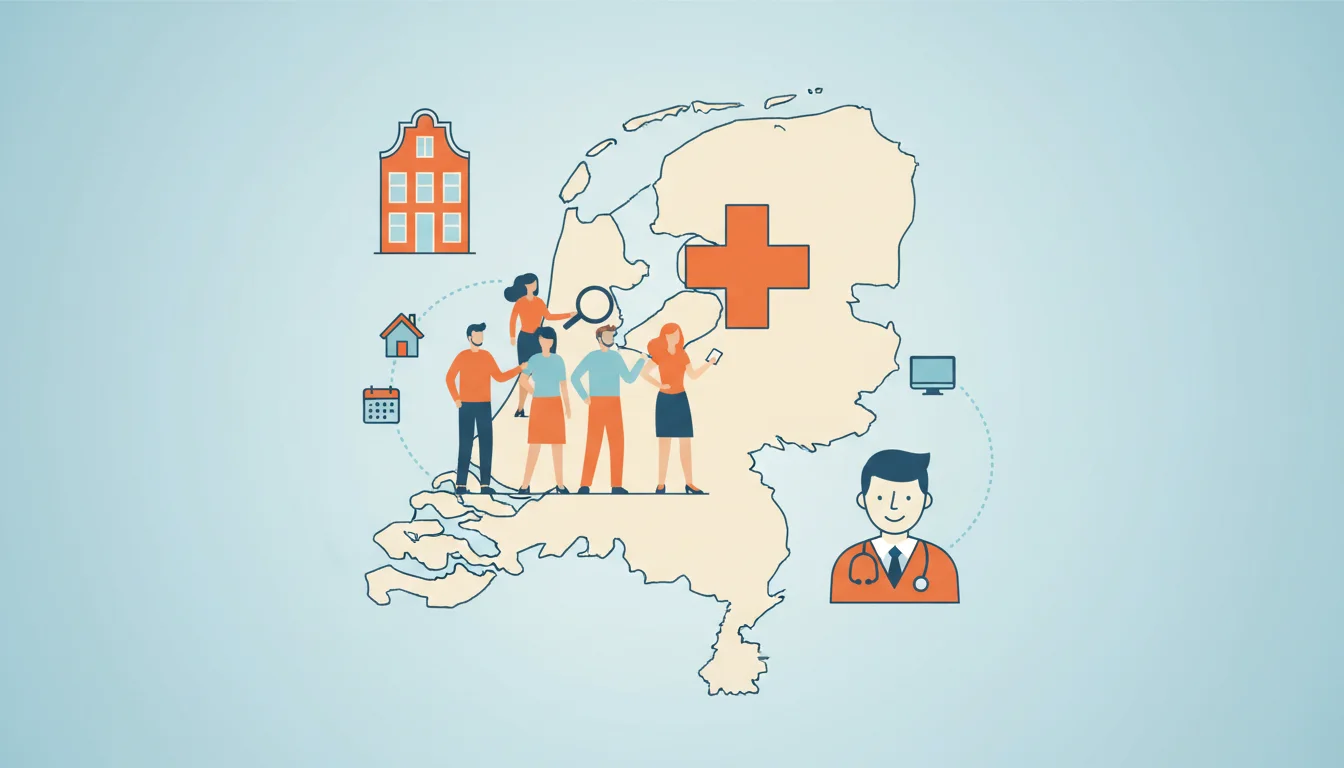
Moving to the Netherlands is an exciting adventure filled with cycling, stroopwafels, and exploring picturesque canals. However, amidst the excitement of settling in, there is one crucial administrative task that often confuses expats: navigating the Dutch healthcare system. Specifically, finding a Huisarts (General Practitioner or GP).
Unlike many other countries where you might visit a specialist directly or go to a walk-in clinic, the Dutch system relies heavily on the GP as the "gatekeeper" of medical care. Without a registered GP, accessing non-emergency healthcare can be difficult and expensive.
In this guide, we will walk you through everything you need to know about finding, registering with, and visiting a doctor in the Netherlands, while also helping you prepare for the language barrier.
In the Netherlands, the huisarts is your first point of contact for all physical and mental health concerns. Whether you have a persistent flu, a sprained ankle, or need a referral to a dermatologist or psychologist, you must see your GP first.
The Dutch healthcare system is efficient, but it is also known for its pragmatic, non-interventionist approach. You might have heard the jokes about Dutch doctors prescribing paracetamol and rest for almost everything. While this is a stereotype, there is truth to it: Dutch GPs generally prefer to let the body heal itself before prescribing strong medication or antibiotics.
Do not wait until you are sick to find a doctor. In many Dutch cities, particularly Amsterdam, Utrecht, and Rotterdam, there is a shortage of GPs. Many practices have a patiëntenstop (a freeze on new patients). If you wait until you have a high fever to start looking, you may find yourself in a stressful situation. Registering is one of the first things you should do after receiving your BSN (Citizen Service Number).
Dutch GPs usually only accept patients who live within a specific distance or postcode area of their practice. This is because, in emergencies, the doctor must be able to reach your home within 15 minutes. Therefore, you cannot simply choose a highly-rated doctor on the other side of the city.
To find available doctors near you:
Once you have a list of local practices, visit their websites. Look for a section titled Inschrijven (Registration) or Nieuwe patiënten (New patients). It will clearly state if they are open or closed to new registrations.
If every doctor in your area is full, do not panic. You can contact your health insurance provider (*zorgverzekeraar*). They have a legal obligation to help you find a GP near your home who is accepting patients.
Registering is usually straightforward. You will likely need to fill out a form on their website or visit the practice in person. You will need to provide:
Some doctors offer a kennismakingsgesprek (introductory interview). This is a 10-minute meeting to get to know your medical history. It is a great opportunity to see if you feel comfortable with the doctor, perhaps even using polite requests to ask about their specific practice policies.
One of the biggest fears for expats is not being able to communicate their symptoms accurately. The good news is that almost all Dutch doctors speak excellent English. However, the receptionists, the appointment booking systems, and the letters you receive might be entirely in Dutch.
Furthermore, understanding the Dutch cultural nuances of healthcare requires some language skills. For example, knowing how to describe pain (zeurend, stekend, kloppend) can help your doctor diagnose you better.
This is where StroopTaal can be a lifesaver.
Before your first appointment or introductory meeting, you can use the StroopTaal app to practice. Use the Roleplay feature to simulate a conversation with a receptionist or a doctor. You can practice phrases like:
Using StroopTaal’s vocabulary builder, you can also focus specifically on body parts and medical terms, ensuring you walk into the waiting room with confidence.
It is vital to understand the difference between standard care and emergencies in the Netherlands.
Call your GP. If it is urgent, tell the assistant, and they will squeeze you in. Most practices have an inloopspreekuur (walk-in hour) early in the morning for simple issues.
Do not go to the hospital emergency room (Spoedeisende Hulp) unless it is life-threatening. Instead, call the Huisartsenpost (Central Doctors Post). This is an out-of-hours GP service. You must call them first; you cannot just show up. They will triage you over the phone and tell you to come in or wait until your own GP opens on Monday.
Call 112 for an ambulance if there is a life-threatening situation (heart attack, severe accident, etc.).
Visiting your GP is covered by the mandatory basic health insurance (*basisverzekering*). Importantly, GP visits do not count towards your deductible (eigen risico). This means a visit to the doctor is effectively free at the point of service, encouraging people not to delay seeking help.
However, if the GP prescribes medication, orders blood tests, or refers you to a specialist at a hospital, those costs will count towards your annual deductible. Understanding these financial details is as important as understanding Dutch work contracts when managing your life in the Netherlands.
Navigating the Dutch healthcare system is a rite of passage for every expat. While the system may seem rigid at first with its referral rules and postcode restrictions, it is designed to provide high-quality, accessible care for everyone. By finding a GP early and familiarizing yourself with the system, you ensure peace of mind for your life in the Netherlands.
Don't let the language hold you back from getting the care you need. Whether you are preparing for your Inburgering exam or just want to feel more at home, mastering Dutch helps you integrate into the community—and the doctor's office—much faster. Download StroopTaal today to start practicing your medical vocabulary and real-life dialogues with our AI tutor!
Share this article:
Moving to the Netherlands is an exhilarating adventure filled with canals, stroopwafels, and cycling. However, amidst the excitement of your...
Read moreIf you are planning to move to the Netherlands or are looking to relocate within the capital, you have likely heard the stories. The Amsterdam...
Read moreWelcome to the World of Dutch Healthcare Moving to the Netherlands is an exciting adventure filled with cycling, canals, and cheese. But once the...
Read more