Opening a Dutch Bank Account: The Ultimate Expat Guide
Moving to the Netherlands is an exhilarating adventure filled with canals, stroopwafels, and cycling. However, amidst the excitement of your...
Read more
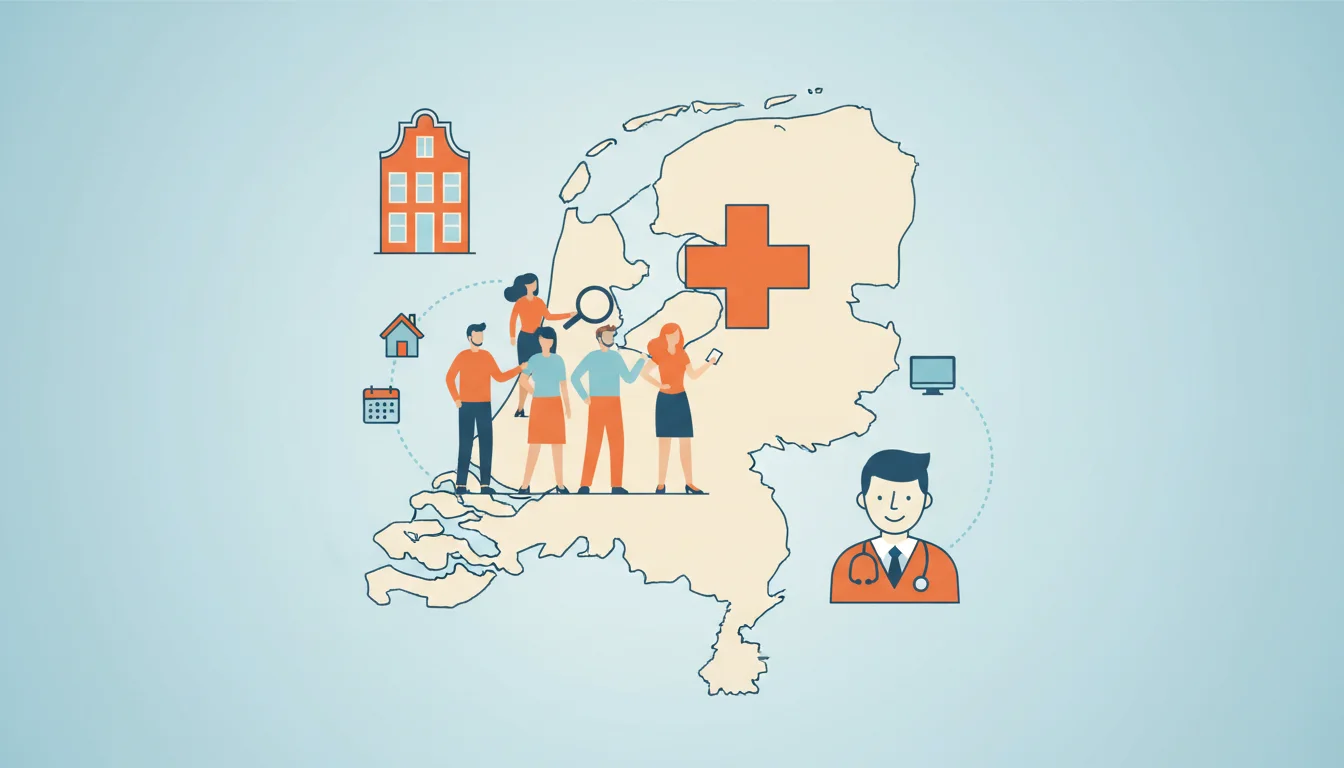
Moving to the Netherlands is an exciting adventure filled with cycling, canals, and cheese. But once the honeymoon phase of eating warm stroopwafels settles down, you are faced with the inevitable administrative tasks of Dutch life. At the very top of that list is the Zorgverzekering (Health Insurance).
For expats and Dutch learners, the healthcare system can seem complex. Unlike systems in the UK (fully public) or the US (often employer-based), the Netherlands uses a unique hybrid system. It is private yet heavily regulated and mandatory for everyone living or working in the country.
As we look at the landscape in 2026, understanding your policy is more important than ever. Whether you are preparing for your Inburgering exams or just trying to decipher that blue envelope on your doormat, this guide will walk you through everything you need to know.
Every resident in the Netherlands must take out a standard health insurance package, known as the basisverzekering. The government decides exactly what this package covers, meaning the medical coverage is identical regardless of which insurance provider you choose.
In 2026, the basic package generally covers:
Pro Tip: In the Netherlands, your huisarts is the gatekeeper to the healthcare system. You cannot see a specialist (like a dermatologist or cardiologist) without a referral letter (verwijsbrief) from your GP. This is a common scenario practiced in StroopTaal's interactive dialogue games, helping you feel confident when asking for that referral in Dutch.
To survive the Dutch healthcare system, you need to master the vocabulary. These terms will appear on your bills, your policy documents, and likely in the Knowledge of Dutch Society (KNM) section of your civic integration exam.
This is the amount you must pay out-of-pocket before your insurance starts covering costs. In 2026, the mandatory minimum remains a significant factor in your monthly premium choice. Note that visits to the GP are exempt from the eigen risico—they are always free at the point of service.
Do not confuse this with eigen risico. The eigen bijdrage is a fixed sum you must pay for specific services, such as certain medications, orthopedic shoes, or maternity care, regardless of your deductible status.
If your income is below a certain threshold, the Dutch government offers a benefit to help cover your insurance premiums. This is called zorgtoeslag. It is crucial for students and freelancers to check if they qualify.
This is optional coverage for things not in the basic package, such as dentistry (for adults), physiotherapy, or alternative medicine.
Struggling to remember the difference between vergoeding (reimbursement) and verwijzing (referral)? You can use StroopTaal’s vocabulary builder with spaced repetition to lock these essential administrative terms into your long-term memory.
When selecting a provider in 2026, you will generally encounter two main types of policies. Understanding the difference can save you money and headaches.
In the Netherlands, you cannot simply switch health insurance whenever you like. The switching window is open only once a year, from mid-November to December 31st. During this time, insurers compete fiercely for your business, often offering gifts or discounts.
If you are reading this in January, you are likely locked into your current provider until the next calendar year, unless you arrive in the Netherlands mid-year or undergo a major life change (like a divorce or turning 18).
If you are an expat aiming for permanent residency or citizenship, understanding the healthcare system is not optional—it is a requirement. The Kennis van de Nederlandse Maatschappij (KNM) exam frequently tests candidates on how the huisarts system works, when to call 112 versus the huisartsenpost (after-hours GP), and how insurance payments function.
While textbooks are helpful, simulating these scenarios is better. StroopTaal offers dedicated cultural lessons about Dutch life that explain these societal norms in clear Dutch, helping you kill two birds with one stone: preparing for the exam and preparing for real life.
Navigating the Dutch zorgverzekering can feel overwhelming, but it is a system designed to ensure everyone gets the care they need without financial ruin. By mastering the vocabulary and understanding the rules of the game, you turn a scary administrative task into just another part of your successful Dutch life.
Ready to feel more confident talking to your doctor or navigating Dutch forms? Download StroopTaal today to practice your medical vocabulary and pronunciation with our AI tutor!
Share this article:
Moving to the Netherlands is an exhilarating adventure filled with canals, stroopwafels, and cycling. However, amidst the excitement of your...
Read moreIf you are planning to move to the Netherlands or are looking to relocate within the capital, you have likely heard the stories. The Amsterdam...
Read moreMoving to the Netherlands is an exciting adventure filled with cycling, stroopwafels, and exploring picturesque canals. However, amidst the...
Read more