
Networking for Expats in the Netherlands: Professional Guide
Building Professional Connections in the Dutch Market Welcome to the Netherlands! You have likely registered at your local municipality, secured your...
Read more
This article was drafted by AI and edited by a person before it was published.
AI can get things wrong. For anything official, check the source it points to.
AI-generated image
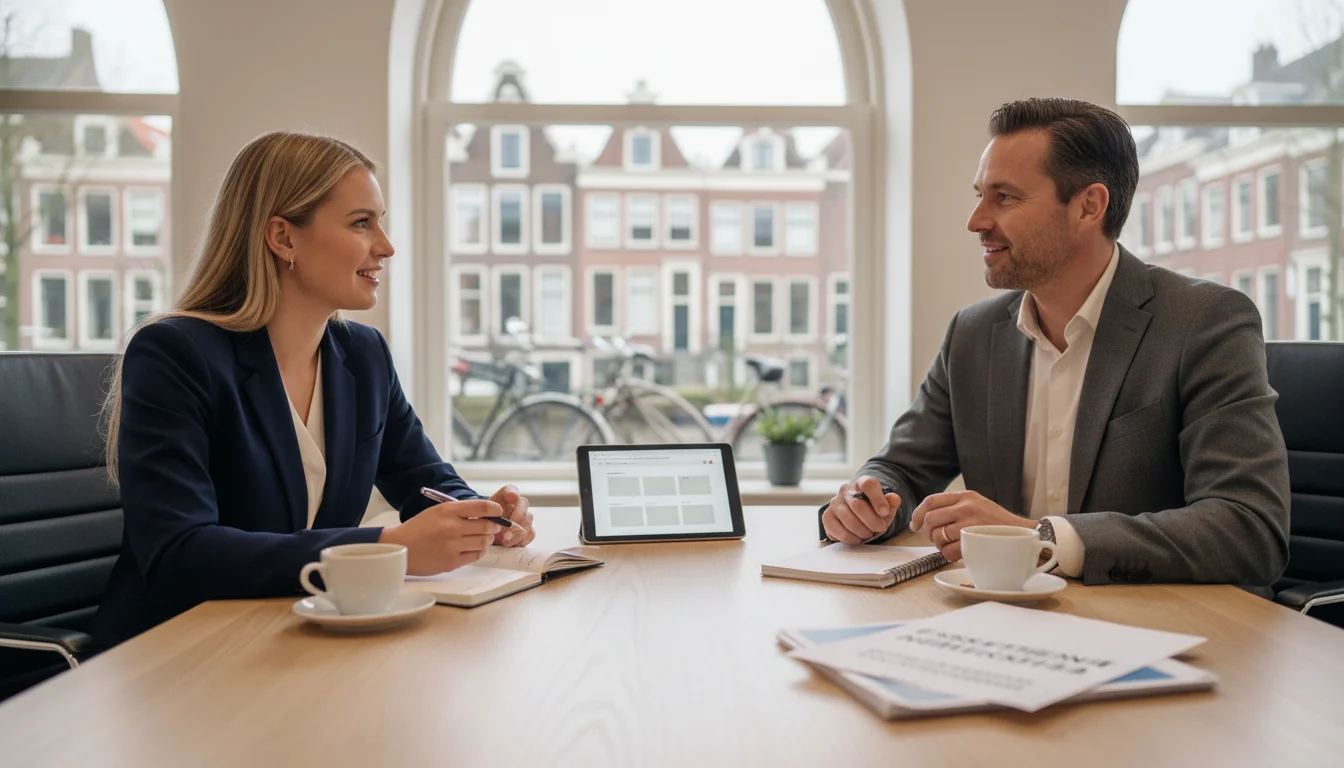
Walking into a job interview is always a nerve-wracking experience. But when you are doing it in a foreign country, in a language you are still mastering, the stakes can feel incredibly high. If you are an expat, a recent graduate, or someone preparing for their integration exams in the Netherlands, landing a job at a Dutch-speaking or bilingual company is a massive milestone. While many Dutch companies operate in English, showing that you can speak—or are actively learning—Dutch is one of the most effective ways to stand out from the competition.
Using the right Dutch phrases during your sollicitatiegesprek (job interview) does more than just show off your vocabulary. It signals respect for the local culture, demonstrates your commitment to integrating, and proves that you can navigate professional environments. In this guide, we will walk you through essential Dutch phrases for every stage of the job interview, coupled with vital cultural insights to help you make an unforgettable first impression.
Before diving into the vocabulary, it is crucial to understand the unique landscape of Dutch business culture. The Dutch are famous for their flat hierarchies, direct communication, and egalitarian values. In an interview setting, this means your interviewers will expect you to be honest, realistic, and collaborative rather than overly boastful or excessively formal.
While you should always remain professional, a Dutch interview often feels more like a two-way conversation than an interrogation. Employers want to see if you are a good cultural fit for their team. They value consensus, open discussion, and a healthy approach to work-life boundaries. To learn more about how the Dutch approach work and collaboration, take a look at our guide on Dutch business culture and the overleg style. Understanding this mindset will help you frame your answers in a way that resonates deeply with Dutch hiring managers.
Additionally, you should familiarize yourself with the structural aspects of working in the Netherlands, such as standard working hours, by reading our article on Dutch work-life balance and the 36-hour workweek. Knowing these details shows that you have done your homework on what it actually means to work in the country.
The first few minutes of an interview set the tone for the rest of the meeting. In the Netherlands, punctuality is non-negotiable. Arriving five minutes early is perfect; arriving late is a major red flag. When you meet your interviewers, a firm handshake (if in person), a warm smile, and direct eye contact are essential.
Here are the key phrases you need to kick off the conversation with confidence:
For more detailed advice on how to prepare for this initial stage, check out our comprehensive essential Dutch job interview tips.
Once the small talk is over, the interviewers will want to know about your career history, skills, and why you are the right person for the job. When describing your experience, the Dutch appreciate concrete examples and data over vague self-praise. Be clear, concise, and structured in your explanations.
Use these phrases to describe your previous roles and expertise:
Dutch employers want to know why you specifically want to work for their company, not just why you need a job. They value intrinsic motivation, enthusiasm, and alignment with their company values. You can research official labor and employment guidelines on the Dutch government website Government.nl to understand the regulatory environment of your sector, which can add depth to your motivational answers.
Express your enthusiasm with these phrases:
The dreaded "strengths and weaknesses" question is highly common in Dutch interviews. However, because of the Dutch preference for honesty, you should avoid "fake" weaknesses (like "I work too hard"). Instead, share a genuine area of improvement and explain how you are actively working on it. This shows self-awareness and a growth mindset.
Here is how to frame your strengths and weaknesses in Dutch:
At the end of almost every Dutch job interview, you will be asked: "Heeft u zelf nog vragen?" (Do you have any questions?). Always say yes! Asking questions shows that you are proactive, deeply interested, and evaluating if the company is the right fit for you too.
Impress your interviewers with these thoughtful questions:
Ending the interview on a positive, professional note leaves a lasting impression. Make sure you clarify the next steps in the hiring process before you walk out the door.
Memorizing these phrases on paper is a great start, but speaking them naturally with the correct pronunciation and confidence is what will truly win over your interviewers. This is where StroopTaal comes in.
With StroopTaal’s real-life Dutch conversation practice with AI, you can simulate a realistic job interview from the comfort of your own home. The app’s advanced pronunciation training scores what you say and tells you what to improve, so you can work on sounding professional and clear. You can also play interactive dialogue games tailored to professional scenarios, helping you build vocabulary using spaced repetition so that the right words flow naturally when the pressure is on. Whether you are aiming for an A2 level to show basic integration or striving for a C1 level to lead complex business meetings, StroopTaal’s lesson path and personal study plan help you work toward that goal.
Preparing for a job interview in a new language is a bold and admirable step. By learning these essential Dutch phrases, understanding the local business etiquette, and practicing your pronunciation, you are setting yourself up for massive success. Remember, Dutch employers do not expect perfection; they value honesty, effort, and a proactive attitude.
Ready to ace your next sollicitatiegesprek? Download StroopTaal today, start practicing your interview dialogues, and take the next big step in your Dutch career journey. Veel succes!
Share this article:
Building Professional Connections in the Dutch Market Welcome to the Netherlands! You have likely registered at your local municipality, secured your...
Read moreIntroduction: The Dutch Secret to Happiness Imagine a professional landscape where leaving the office at 5:00 PM is not just accepted, but actively...
Read moreIntroduction: The Dutch Dream for International Graduates Graduating from a Dutch university is a monumental achievement. Whether you spent your...
Read more