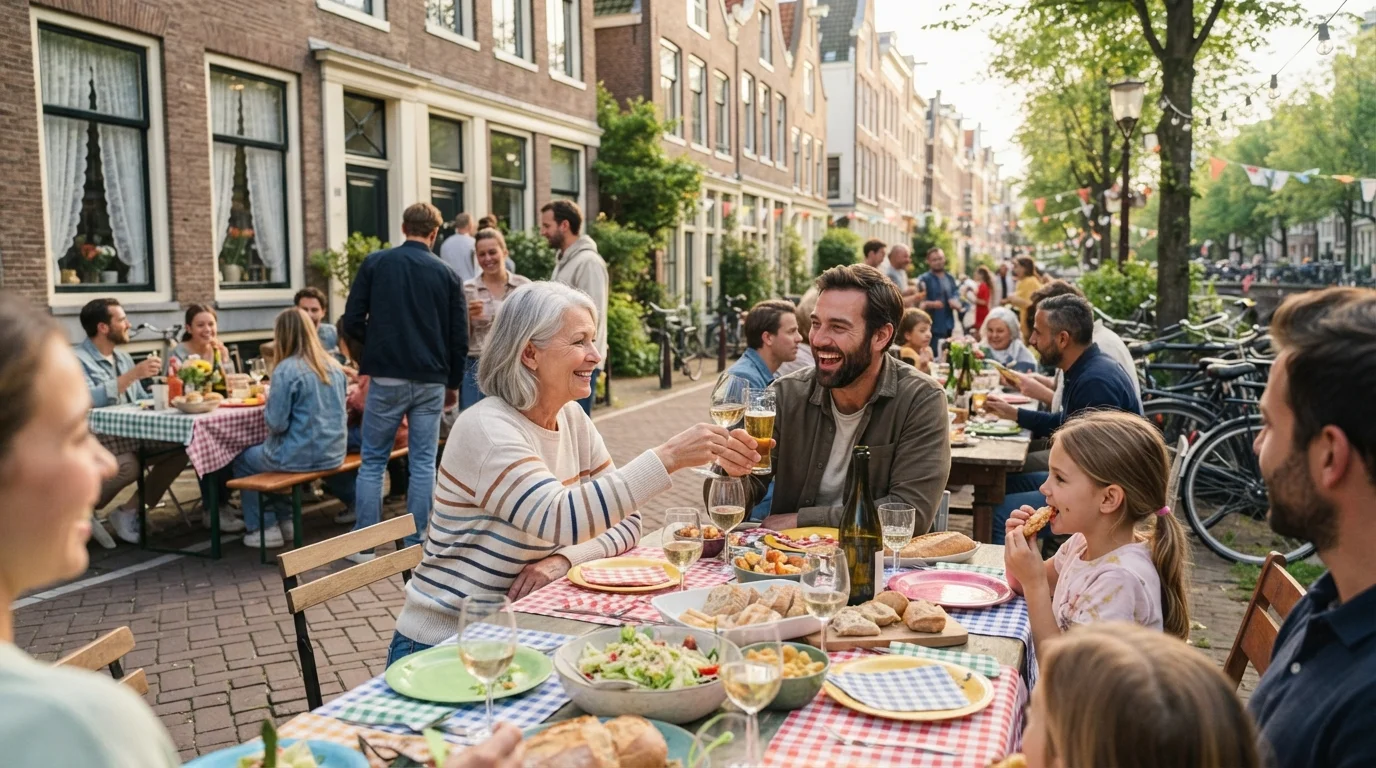
The Dutch 'Borrel' Etiquette: What to Expect at a Friday Afternoon Drink
It is Friday afternoon at 16:45. Keyboard clicking slows down, laptops begin to snap shut, and someone across the open-plan office calls out the...
Read more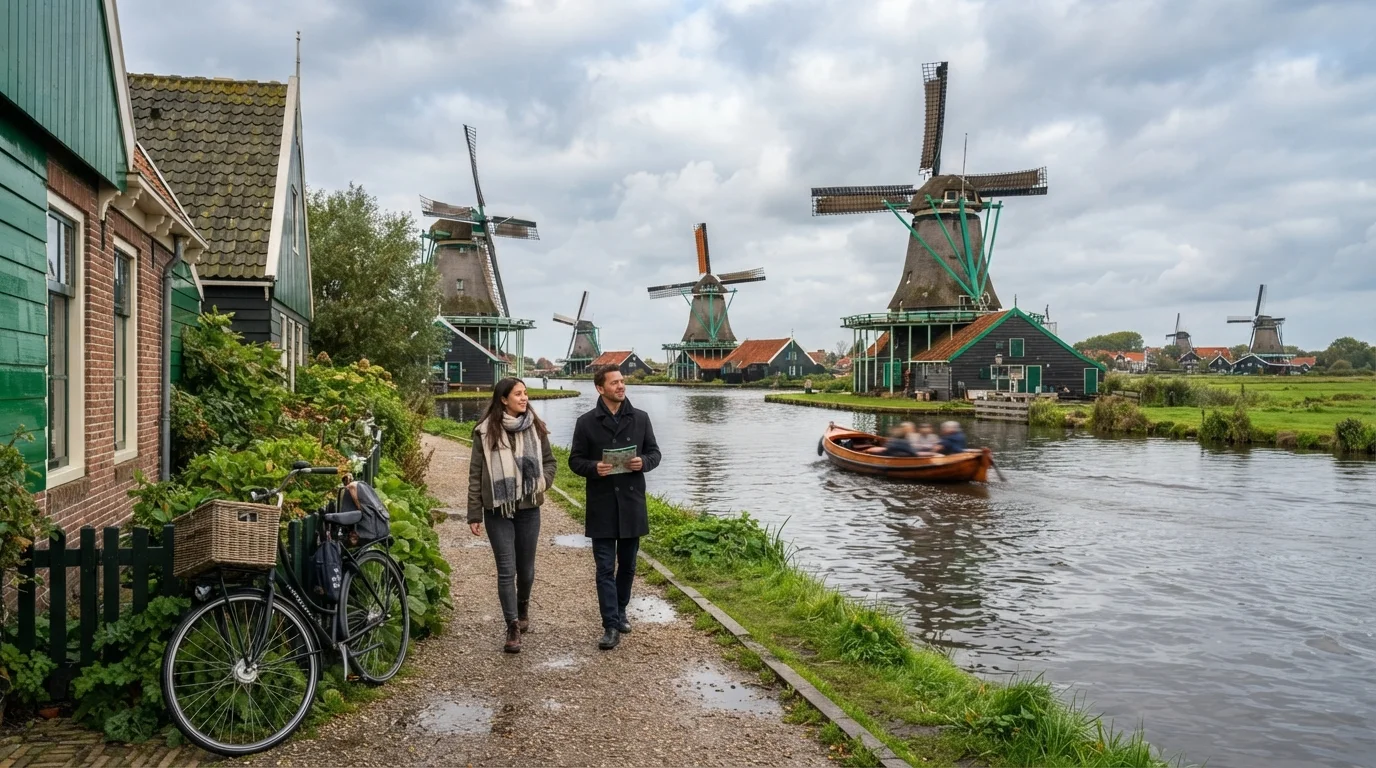
Imagine standing in a vast, emerald-green field under a dramatic, cloud-swept sky. In the distance, the colossal wooden sails of a traditional windmill sweep gracefully through the air, catching the North Sea breeze just as they have for centuries. For many, the windmill is the ultimate symbol of the Netherlands. But these iconic structures are far more than just picturesque photo opportunities—they are engineering marvels that literally saved a nation from drowning.
Whether you are an expat settling into your new life in the Low Countries, a language enthusiast preparing for your integration exams (inburgeringsexamen), or a passionate traveler, understanding the history and cultural significance of Dutch windmills is key to understanding the Dutch identity. In this comprehensive guide, we will dive deep into the fascinating history of Dutch windmills, explore the most iconic visiting locations, and share essential Dutch vocabulary to help you sound like a local during your adventures.
To understand why windmills are so abundant in the Netherlands, you must first understand the unique geography of the country. A famous Dutch saying goes: "God created the Earth, but the Dutch created the Netherlands." More than a quarter of the country lies below sea level, and without a sophisticated system of water management, much of the nation would be underwater.
Historically, the Dutch used windmills to reclaim land from the sea and lakes, turning marshes into fertile agricultural land called polders. This process of water management is known as waterbeheersing. By using wind power to turn large Archimedes' screws or paddle wheels, windmills pumped water out of low-lying areas and into canals, which eventually carried the water back to the sea.
When reading about this fascinating history, you will often encounter historical texts and museum plaques written in the simple past tense. If you want to describe these historical events yourself with confidence, check out our guide on mastering the Dutch imperfectum to learn when and how to use the simple past tense in Dutch.
Not all windmills were built for the same purpose. Over the centuries, Dutch engineers developed specialized mills for various industrial tasks, fueling the Golden Age of the Netherlands:
Understanding how the Dutch built these structures is a masterclass in logic. Understanding how to express these relationships in speech is equally important, especially when learning the difference between omdat and doordat to express cause and effect in Dutch sentences.
With over 1,200 historic windmills still standing across the country, you are never too far from one. However, some locations offer a truly spectacular glimpse into the past. Here are the absolute best places to visit:
Located in the province of South Holland, Kinderdijk is perhaps the most famous windmill site in the world. Here, a stunning row of 19 majestic windmills, built around 1740, stands along a network of canals. This site is a UNESCO World Heritage location and offers an unparalleled look at traditional water management.
Visitor Tip: You can walk or cycle along the canals for free, but purchasing a ticket allows you to enter the museum windmills, take a boat tour, and watch an educational film about the history of the site.
Just a short train ride north of Amsterdam lies Zaanse Schans. Unlike Kinderdijk, which focuses on water management, Zaanse Schans is a vibrant recreation of an 18th-century industrial area. Here, you can see working sawmills, oil mills, and mustard mills. The historic green wooden houses, traditional cheese farms, and clog workshops make this a highly interactive and sensory experience.
If you prefer to avoid the tourist crowds, head to the city of Schiedam, located near Rotterdam. Schiedam is home to the tallest traditional windmills in the world (some reaching over 30 meters high!). These giant mills, known as brandersmolens, were built specifically to grind grain for the city's famous jenever (Dutch gin) industry. Today, you can visit the Jenever Museum and see these massive structures towering over the city's historic canals.
Located right in the heart of the beautiful university city of Leiden, Molen de Valk (The Falcon) is a towering tower mill built in 1743. It now serves as a fantastic municipal museum. You can climb to the top deck for a breathtaking, panoramic view of Leiden's canals and historic rooftops.
Because windmills have played such a central role in Dutch life for centuries, they have naturally worked their way into the Dutch language. Learning these idioms is a fantastic way to boost your vocabulary and sound more like a native speaker!
At StroopTaal, we believe that learning a language is inseparable from learning about its culture. Our AI-powered app offers specialized cultural lessons about life and customs, helping you master not just the grammar, but the real-world context behind Dutch idioms and history. With our personalized learning plans, you can build your vocabulary using spaced repetition and practice real-life Dutch conversations with our interactive AI coach.
To make the most of your trip to these historic landmarks, keep these practical tips in mind:
After climbing to the top of a wooden windmill, there is nothing better than sitting down at a local cafe for a warm pancake or a fresh coffee. To describe this cozy feeling, you should understand what 'lekker' means in Dutch culture, as it is the most versatile word you will use during your travels.
If you are an expat planning to stay in the Netherlands long-term, you may need to take the Inburgeringsexamen. One of the key components of this exam is the Kennis van de Nederlandse Maatschappij (KNM)—Knowledge of Dutch Society.
Understanding how the Dutch reclaimed their land from the water, the historical significance of the Golden Age, and how the country manages water today is highly relevant for the KNM exam. Windmills are a classic symbol of this history. By learning about them, you are not just preparing for a sightseeing trip; you are actively preparing for your future integration.
StroopTaal is specifically designed to help expats conquer these milestones. From our comprehensive grammar lessons spanning from A0 to C1, to targeted exam practice, we provide tools that help you prepare for your exams and feel at home in the Netherlands.
Dutch windmills are much more than beautiful relics of the past; they are living testaments to Dutch resilience, engineering genius, and the ongoing battle against the elements. Visiting these sites offers a profound connection to the history of the land you are living in or learning about. Ultimately, experiencing these landmarks firsthand is the best way to appreciate the ingenuity that shaped the Dutch landscape.
As you plan your next trip to Kinderdijk, Zaanse Schans, or a local city mill, why not take your Dutch language skills to the next level? Download the StroopTaal app today to unlock interactive dialogue games, pronunciation training with instant feedback, and personalized lessons that make learning Dutch fun, engaging, and highly effective. Veel plezier (have fun) on your windmill adventures, and happy learning!
Share this article:
It is Friday afternoon at 16:45. Keyboard clicking slows down, laptops begin to snap shut, and someone across the open-plan office calls out the...
Read moreMoving to the Netherlands as an expat or international resident comes with plenty of cultural discoveries—from navigating bike lanes in the pouring...
Read moreStep into any traditional Dutch café on a brisk afternoon, and you will almost certainly be greeted by a familiar, intoxicating aroma: warm...
Read more