Dutch Job Interview Tips: Ace Your Sollicitatiegesprek
Your Guide to Acing a Dutch Job Interview You’ve polished your CV, perfected your cover letter, and landed an interview for your dream job in the...
Read more
This article was drafted by AI and edited by a person before it was published.
AI can get things wrong. For anything official, check the source it points to.
AI-generated image
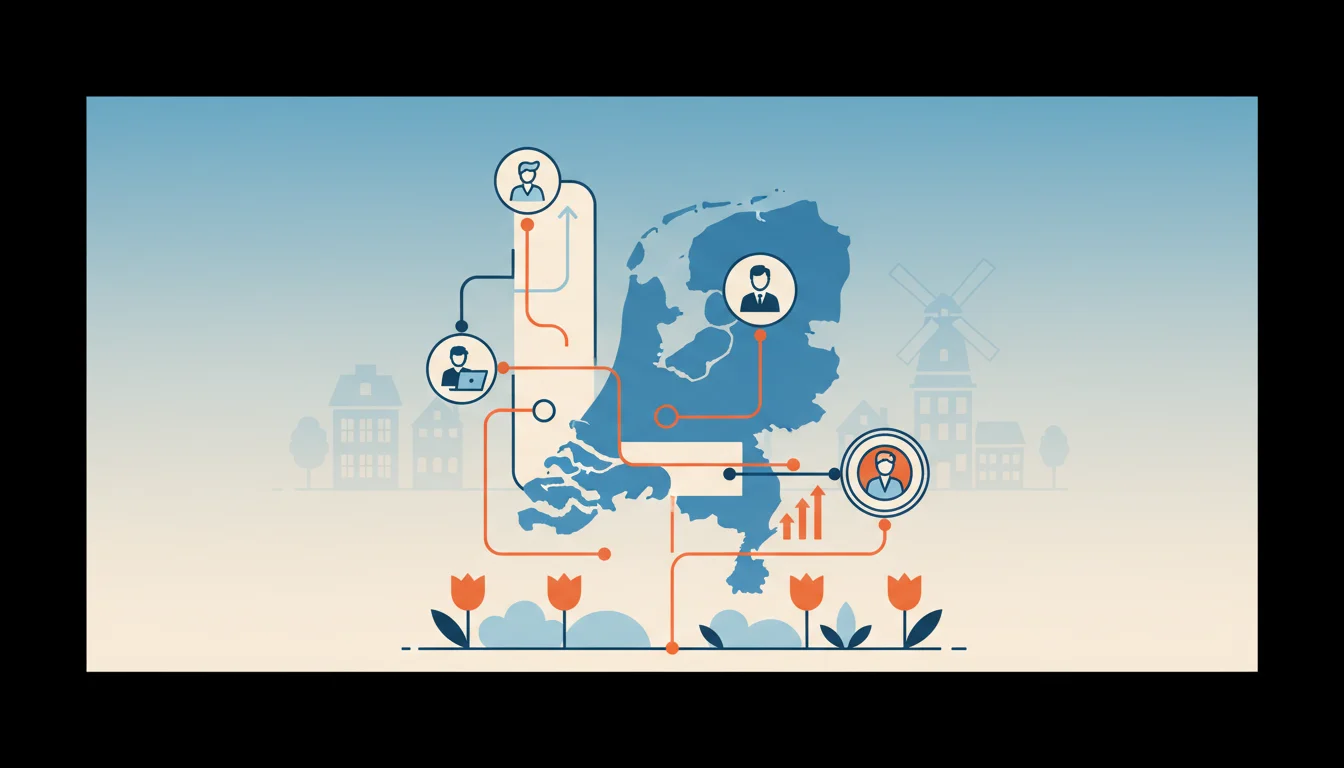
Moving to the Netherlands opens up a world of opportunities, but breaking into the local job market can feel like a puzzle. You've updated your CV, practiced your elevator pitch, but are you tapping into the single most important platform for professional life in the Netherlands? We're talking about LinkedIn. In a country known for its directness, efficiency, and flat hierarchies, LinkedIn isn't just a digital resume; it's the primary arena for Dutch career networking, job hunting, and building your professional brand. Forget old-school networking events with lukewarm bitterballen; your next career move will likely start with a click, a connection, and a well-crafted message. This guide will walk you through everything you need to know to transform your LinkedIn profile from a passive placeholder into an active career-building machine, tailored specifically for the Dutch market.
Before you even think about sending a connection request, your profile needs to be in top shape. The Dutch appreciate professionalism, clarity, and authenticity. Here’s how to make your profile stand out to recruiters and hiring managers in the Netherlands.
First impressions count. Your photo should be a high-quality headshot where you look directly at the camera and smile. The vibe should be approachable and professional. Avoid selfies, holiday pictures, or overly stiff corporate photos. Think 'talented colleague you'd like to have a coffee with,' not 'CEO of a Fortune 500 company.'
Your headline is more than just your current job title. It’s prime SEO real estate. Use it to showcase your key expertise and career goals. A great formula is:
[Your Role] | [Key Specialization 1] | [Key Specialization 2] | Actively seeking opportunities in [Your Industry]
For example: Senior Software Engineer | Python & AWS Expert | Building Scalable FinTech Solutions
This is your chance to tell your story. Don't just list your skills; weave them into a compelling narrative. Start with a strong opening sentence that summarizes your professional identity. Use bullet points to highlight key achievements and metrics. A big question for expats is whether to write this in English or Dutch.
List skills that are relevant to the jobs you're targeting in the Netherlands. Check job descriptions for keywords. Then, ask former colleagues or managers to endorse your top 3-5 skills. Endorsements from others provide valuable social proof that you can actually do what you claim.
Networking in the Netherlands is less about who you know and more about what you know and how you can contribute. The Dutch value genuine, meaningful connections. It’s about building a network based on mutual professional respect.
Sending a generic, empty connection request is the fastest way to be ignored. Always, always add a personal note. Explain why you want to connect. Did you see their presentation? Do you admire their company? Do you work in the same niche industry? A simple, direct message works best. For example:
"Beste Jan, ik zag je recente post over duurzame logistiek en vond je inzichten erg waardevol. Als supply chain manager ben ik ook gepassioneerd over dit onderwerp en zou ik graag met je linken. Met vriendelijke groet, [Your Name]."
If you're unsure about your Dutch phrasing for these crucial first impressions, practicing short professional introductions within an app can be a game-changer. The AI conversation practice in StroopTaal allows you to rehearse these exact scenarios, so you can feel more natural and confident when you reach out.
Don't be a passive observer. Like, share, and especially comment on posts from people and companies in your industry. A thoughtful comment that adds to the conversation is far more valuable than a simple "Great post!". It shows you're engaged and knowledgeable. This is also a fantastic way to get noticed by recruiters who monitor industry-specific hashtags.
Search for LinkedIn Groups related to your profession or industry in the Netherlands (e.g., "Marketing Professionals in the Netherlands," "Dutch Tech Startups"). Participating in discussions within these groups positions you as an active member of the professional community.
With a strong profile and a growing network, it's time to actively pursue opportunities. LinkedIn is the number one platform for recruiters in the Netherlands.
Use the filters on the LinkedIn Jobs page to your advantage. You can filter by location (e.g., Randstad, Amsterdam), experience level, and even remote work options. Set up job alerts for specific keywords so you never miss a new opening. Many companies also allow you to apply with your LinkedIn profile using "Easy Apply," making the process incredibly efficient.
Use the #OpenToWork feature strategically. You can choose to make it visible to everyone or only to recruiters. The latter is a great option if you're currently employed and want to keep your job search discreet. Fill out the preferences section carefully to ensure you're being found for the right roles.
A 'koffiegesprek' (coffee chat) is an informal meeting to learn about a company, a role, or an industry. It's not a job interview. You can request one via LinkedIn from someone in a company you're interested in. It's a low-pressure way to get insider information and make a valuable connection. A simple message could be:
"Hi [Name], I'm exploring career paths in [Industry] and I'm very impressed by the work [Company] is doing. Would you be open to a brief 15-minute virtual coffee chat in the coming weeks? I'd love to learn more about your experience there."
The Dutch appreciate directness. If you see a job you're perfect for, it's perfectly acceptable to find the recruiter or hiring manager on LinkedIn and send them a polite, concise message. This shows initiative. Keep it short and to the point, highlighting your key qualifications for that specific role. This direct approach is a core part of understanding the direct Dutch business culture, where getting straight to the point is valued over extensive pleasantries.
Navigating professional interactions requires cultural awareness. Here are some key etiquette tips for LinkedIn in the Netherlands.
LinkedIn is more than a social network in the Netherlands; it's an essential tool for professional integration and advancement. By creating a polished, strategic profile, engaging in meaningful networking, and understanding the nuances of Dutch business etiquette, you can unlock the full potential of the Dutch job market. It's your digital handshake, your professional introduction, and your career compass all in one. Remember that every connection request, comment, and message is an opportunity to build your reputation.
Ready to perfect the professional Dutch you need to confidently send those messages and ace your interviews? The StroopTaal app offers lessons that include the Dutch you need at work and real-life conversation practice with AI, helping you navigate everything from the initial 'koffiegesprek' to the final job offer. Download it today and take the next step in your Dutch career journey!
Share this article:
Your Guide to Acing a Dutch Job Interview You’ve polished your CV, perfected your cover letter, and landed an interview for your dream job in the...
Read moreNavigating the Dutch School System: Your Complete Guide Moving to the Netherlands with your family is an exciting adventure, but it comes with a long...
Read moreThe Shock of the New: Welcome to the Dutch Boardroom Picture this: It is your first month working in the Netherlands. You have been invited to a...
Read more