Pass the Inburgering B1 Writing Exam: 2026 Strategy Guide
Introduction: Your roadmap to a successful B1 writing exam Preparing for the Inburgering B1 writing exam can feel overwhelming: strict time limits,...
Read more
This article was drafted by AI and edited by a person before it was published.
AI can get things wrong. For anything official, check the source it points to.
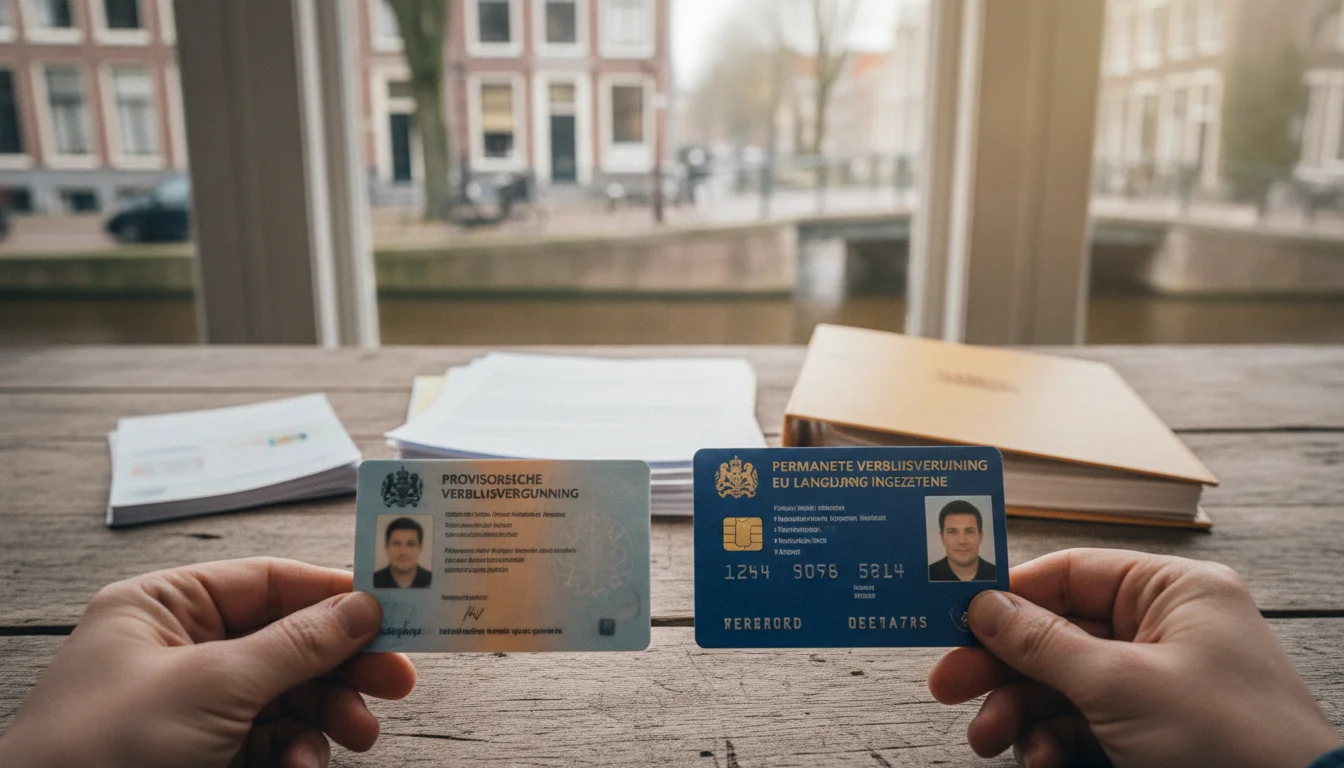
AI-generated image

Moving to the Netherlands is an exciting adventure, but for many expats, researchers, and partners of Dutch citizens, settling outside the bustling Randstad (the metropolitan area spanning Amsterdam, Rotterdam, The Hague, and Utrecht) brings unique challenges. While smaller cities like Leeuwarden, Zwolle, Deventer, Venlo, or Middelburg offer charming canals, lower housing costs, and a more relaxed pace of life, they also present a hurdle when it comes to formal integration: finding affordable, high-quality Dutch language classes for the civic integration exam (Inburgeringsexamen).
In major metropolitan hubs, the sheer volume of expats has created a highly competitive market of language schools, offering everything from intensive morning bootcamps to flexible evening classes. In smaller municipalities, however, your local options may be limited to a handful of private tutors or premium institutes that charge premium prices. When you are already managing the overall costs of your integration journey, as detailed in our comprehensive financial planning for inburgering guide, finding affordable classes becomes a top priority.
Fortunately, you do not need to spend thousands of euros or commute hours to Amsterdam to achieve your language goals. By understanding how the Dutch integration system works at the municipal level, leveraging community-based initiatives, and supplementing your studies with advanced digital tools, you can master Dutch and pass your exams without breaking the bank.
To find affordable language classes in smaller cities, it is essential to first understand how the civic integration system is structured. Under the Inburgeringswet 2021 (the Integration Act), local municipalities (gemeenten) hold primary responsibility for guiding newcomers through their integration pathways. This is a significant shift from older legislation, where newcomers were largely left to navigate the private market on their own.
If you are required to integrate under the new law (inburgeringsplichtig), your local municipality will assign you a contact person (a klantmanager) and design a personalized integration and participation plan (Persoonlijk Plan Inburgering en Participatie or PIP). Depending on your background, you will be placed into one of three pathways:
For those covered by municipal funding, the cost of these courses is often fully or partially subsidized by the local government. However, if you are an expat, a highly skilled migrant, or an EU national who is integrating voluntarily to secure a permanent residence permit, you generally must fund your own language education. You can read more about these specific requirements in our guide on transitioning from provisional to permanent Dutch residence permits.
If you are paying out of pocket, do not despair. Your local municipality still has a wealth of resources, information, and subsidized community programs that you can access, regardless of your official integration status.
Smaller Dutch cities may lack massive private language academies, but they excel in community solidarity and local infrastructure. Here are the best low-cost and free avenues to explore in your local area:
Almost every library in the Netherlands, no matter how small the town, features a Taalhuis (Language House) or Taalpunten (Language Points). These are dedicated spaces aimed at improving literacy and language skills for both native speakers and newcomers.
At the Taalhuis, you can access:
Before booking an expensive private course, check if your region has a Volksuniversiteit. These are non-profit adult education centers subsidized by local authorities. They offer high-quality, structured language courses (from A0 up to B2 level) at a fraction of the cost of commercial language schools.
Because they are community-focused, the classes are typically held in the evenings or on weekends, making them ideal for working expats. Furthermore, the instructors are certified professionals, ensuring you receive high-quality preparation for your official exams.
Many smaller cities have active chapters of Gilde Samenspraak, a national volunteer organization. They match non-native speakers with native Dutch coaches for one-on-one language practice. The service is entirely free, though you may occasionally buy your coach a cup of coffee. Beyond language practice, engaging in volunteer work in Dutch integration can connect you with native speakers and open doors to informal learning opportunities in your local community.
While low-cost community classes and language cafés are fantastic for building confidence, they often meet only once or twice a week. To truly progress and prepare for the rigorous Inburgering exams, daily consistent practice is essential. This is where modern digital tools can bridge the gap between affordable local options and premium intensive courses.
The StroopTaal app is specifically designed to act as your personal, affordable Dutch tutor. Instead of paying hundreds of euros per hour for private tutoring, StroopTaal offers a comprehensive suite of features that fit perfectly alongside your local community classes:
By combining a weekly free Taalcafé session with daily practice on StroopTaal, which you can download and learn with for free, you can keep practicing every day on a tight budget.
To maximize your budget, you should approach your language learning with a strategic, self-directed mindset. Here are several actionable tips to keep your costs low while keeping your learning standards high:
Before purchasing prep books, make sure to visit the official DUO Inburgeren portal. DUO provides free, official practice exams for all sections of the integration test, including Reading, Writing, Listening, Speaking, and KNM (Kennis van de Nederlandse Samenleving). These practice tests are the most accurate representation of what you will face on exam day.
If you live in a smaller city, chances are there are other expats in the same position. Use local Facebook groups, Meetup.com, or expat forums to organize your own study groups. You can pool your resources, share textbooks, and practice speaking together. Group study keeps you accountable and costs absolutely nothing.
Immersion is free. Switch your phone, computer, and social media accounts to Dutch. Watch Dutch public broadcasting (NPO) with Dutch subtitles, listen to Dutch podcasts designed for learners (such as "Een beetje Nederlands"), and read local free newspapers (huis-aan-huisbladen) delivered to your mailbox. This exposure helps you understand how the language is naturally spoken in your specific region of the Netherlands.
Living in a smaller Dutch city offers a wonderful, authentic opportunity to integrate into Dutch life. While you might not have a massive language institute on your doorstep, the combination of warm community initiatives like the Taalhuis, affordable courses at the Volksuniversiteit, and cutting-edge digital tools makes learning Dutch more accessible than ever before.
Remember, consistency is far more important than a hefty budget. By practicing daily, engaging with your local community, and utilizing smart tools like StroopTaal to refine your speaking, vocabulary, and grammar, you will build the confidence needed to pass your exams and truly feel at home in your new municipality.
Ready to supercharge your Dutch language journey on a budget? Download the StroopTaal app today and unlock personalized, AI-driven learning tools designed to help you master Dutch and pass your Inburgering exams with ease!
Share this article:
Introduction: Your roadmap to a successful B1 writing exam Preparing for the Inburgering B1 writing exam can feel overwhelming: strict time limits,...
Read moreThe Journey to Permanent Residency in the Netherlands Moving to the Netherlands is an exciting adventure—windmills, cycling lanes, and stroopwafels...
Read moreBeyond the Classroom: Why Social Integration is the Real Goal of Inburgering Moving to the Netherlands is an exciting adventure, but integrating into...
Read more