Master the Inburgering Writing Exam: A Guide to Dutch Emails
The Blank Page Panic: Conquering the Inburgering Writing Exam You’ve been practicing your Dutch speaking, you can understand the news, but then...
Read more
Moving to the Netherlands is an adventure filled with stroopwafels, beautiful canals, and... exams. Yes, the inburgeringsexamen (integration exam) is a crucial step for many newcomers. While the language parts are challenging, one section often causes a unique kind of stress: the KNM (Kennis van de Nederlandse Maatschappij) exam. This isn't about conjugating verbs or choosing the right preposition; it's about understanding the very fabric of Dutch society.
What do you do when your child is sick? How do you find a job? What’s the deal with the King? The KNM exam tests your practical knowledge of living and participating in the Netherlands. It can feel daunting, but fear not. This comprehensive guide will break down everything you need to know to prepare for the KNM 'Maatschappij' section and walk into that exam room with confidence.
KNM stands for 'Knowledge of Dutch Society'. It's a mandatory component of the integration exam designed to ensure that new residents have a basic understanding of Dutch norms, values, systems, and practical matters. Think of it as the official 'How to be Dutch' handbook, but in exam form.
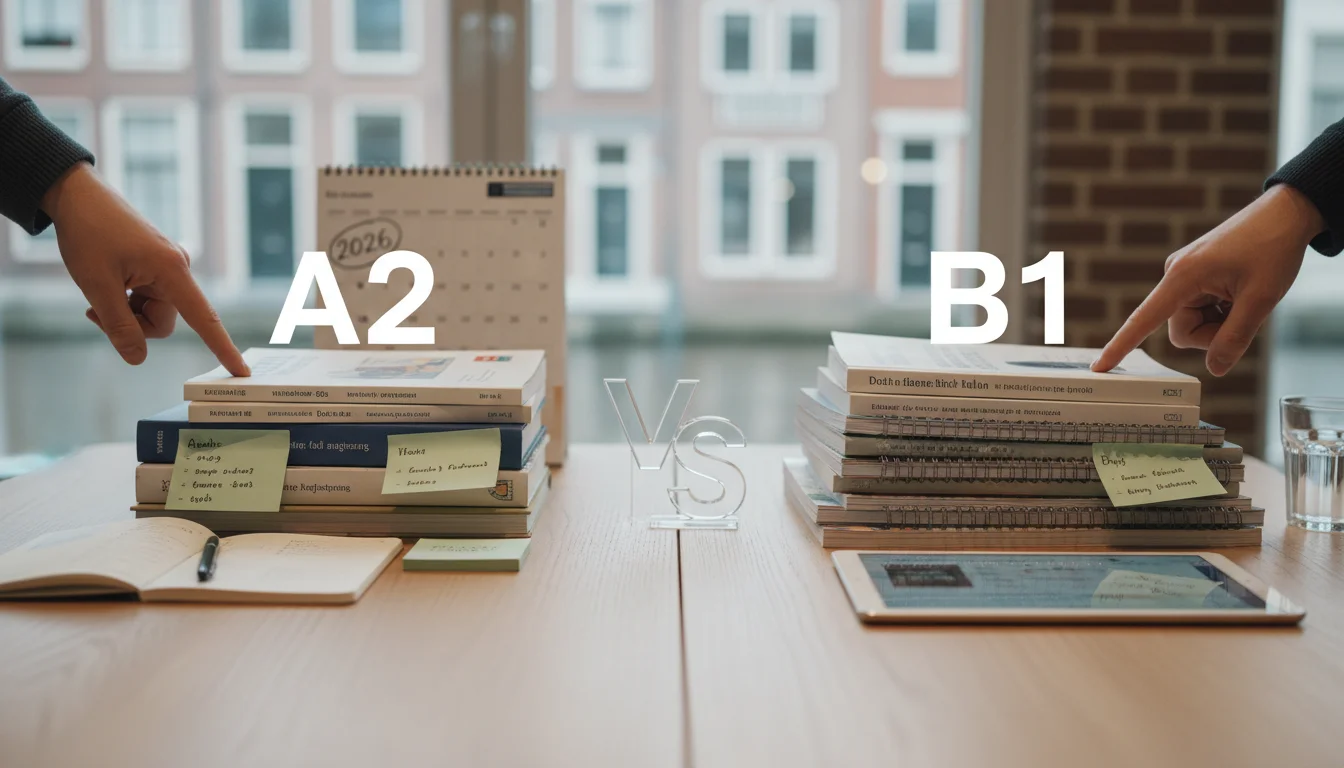
The exam is computer-based and typically consists of around 40-45 multiple-choice questions. You'll watch short video clips depicting everyday situations—a visit to the doctor, a conversation with a neighbor, a job interview—and then answer questions about them. The entire exam is in Dutch, generally at an A2 level. While the language itself isn't overly complex, understanding the key differences between A2 and B1 Dutch can give you a significant advantage in comprehension and help you prepare for your entire integration journey.
The core purpose is to see if you can navigate life in the Netherlands independently and respectfully. It covers a vast range of topics, which we'll dive into next.
To succeed, you need a broad understanding of several key areas. Let's break them down into manageable themes.
This is a major part of the exam, as work is central to life and integration.
This is where cultural understanding becomes critical. The Dutch have some distinct social codes.
You don't need to be a political scientist, but you do need to know the basics of how the country is run.
Navigating Dutch healthcare can be confusing for newcomers. The KNM ensures you know the essentials.
If you have children, or plan to, this section is particularly important.
Knowing the topics is one thing; being ready for the exam is another. Here’s a strategic approach to your preparation.
The primary official resource for the inburgeringsexamen is the film and book package 'Naar Nederland'. While some find it a bit dry, it covers the topics you will be tested on. Additionally, the official website, inburgeren.nl, offers practice exams (oefenexamens) which are invaluable for getting a feel for the real test format and question style.
The exam uses specific terminology. You need to know what words like uitkering (social benefit), sollicitatie (job application), hypotheek (mortgage), and leerplicht (compulsory education) mean. Building a strong Dutch vocabulary focused on these societal topics is a key step. Create flashcards or use an app with spaced repetition to drill these terms until they become second nature.
Memorizing facts is not enough; you need context. Watch the Dutch news (NOS Journaal), read free local newspapers (like Metro), and watch popular Dutch TV shows. This will not only improve your listening skills but also expose you to the cultural nuances tested in the KNM videos. To get structured insights, using an app can be a great supplement. For instance, StroopTaal’s cultural lessons provide valuable context on everything from the Dutch healthcare system to social etiquette, making the information more memorable and meaningful than just rote learning.
Don't just learn that you need a referral from a GP. Understand why: the system is designed to be efficient and keep healthcare costs down by using GPs as gatekeepers. Don't just learn that the Dutch are direct. Understand why: it stems from a culture that values efficiency and honesty over indirect politeness. Understanding the underlying logic will help you answer situational questions correctly, even if you've never seen that exact scenario before. Mastering your language fundamentals is also critical; having a good grasp of Dutch grammar milestones will help you correctly interpret the nuances of the exam questions.
Preparing for the KNM 'Maatschappij' section is about much more than passing a test. It’s a structured way to learn the essentials of your new home country. By understanding Dutch society, you're not just earning a diploma; you're gaining the tools to build a successful and happy life in the Netherlands.
The journey requires dedication, but with the right resources and a clear study plan, you can confidently tackle the KNM exam. Break down the topics, practice with mock exams, and immerse yourself in the culture. You'll be well on your way to becoming not just a resident, but a knowledgeable and integrated member of Dutch society.
Ready to start your journey to mastering Dutch language and culture? Download the StroopTaal app today and explore our AI-powered learning plans, cultural lessons, and interactive exercises designed to get you exam-ready and beyond!
Share this article:
The Blank Page Panic: Conquering the Inburgering Writing Exam You’ve been practicing your Dutch speaking, you can understand the news, but then...
Read moreNavigating the Dutch Integration Maze: A2 vs. B1 in 2026 You've been living in the Netherlands, you've mastered the art of cycling in the rain, and...
Read moreNavigating the Financial Path to Dutch Integration in 2026 Embarking on the Dutch inburgering journey is a significant step towards building a life...
Read more