Pass the Inburgering B1 Reading Exam in 2026: Top Strategies
Introduction: The Shift to B1 and Why It Matters If you are an expat, highly skilled migrant, or long-term resident in the Netherlands, you have...
Read more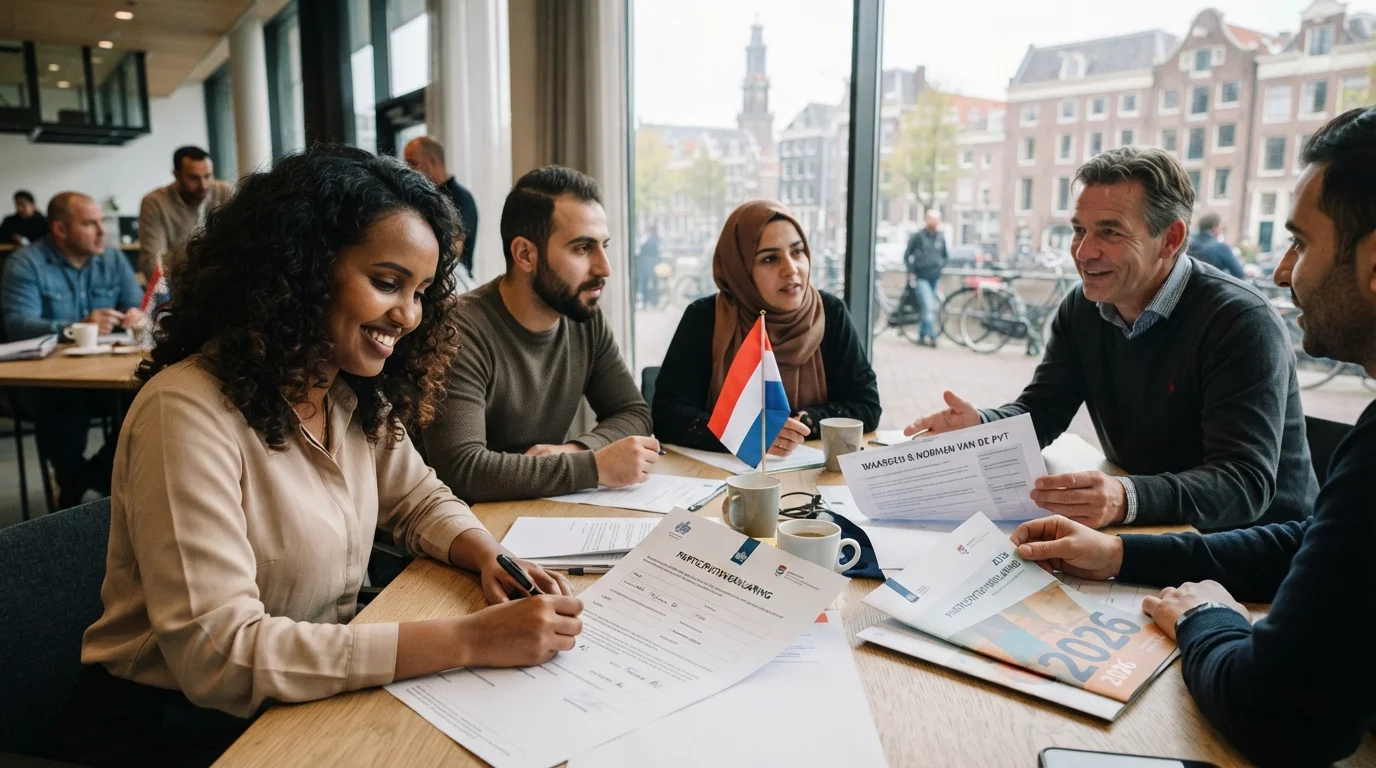
Moving to the Netherlands is an exciting adventure filled with cycling, stroopwafels, and picturesque canals. However, it also comes with a fair share of administrative steps, especially if you are required to integrate (inburgeren). One of the most critical, yet often misunderstood, components of this process is the Participatieverklaring (Participation Declaration), commonly abbreviated as PVT. If you are navigating the integration system in 2026, understanding how this declaration works, who needs to sign it, and what happens if you don't is essential for securing your long-term future in the Netherlands.
The Dutch government places a strong emphasis on civic integration, viewing it not just as a legal requirement, but as a path to social cohesion and mutual respect. The Participatieverklaring is the cornerstone of this philosophy. In this comprehensive guide, we will break down everything you need to know about the PVT requirements for 2026, the step-by-step process of completing it, how it fits into your broader integration timeline, and how you can prepare yourself for success.
The Participatieverklaring is a mandatory part of the Dutch civic integration process (inburgering). It is a formal document in which you declare that you have been informed about, understand, and will respect the core values of Dutch society. It acts as both a symbolic welcome and a formal agreement between you and the Dutch government.
Introduced to ensure that newcomers actively participate in society and respect the democratic rule of law, the PVT is not just a piece of paper you sign at a desk. It is the culmination of a structured program organized by your local municipality (gemeente). During this program, you will attend workshops or introductory sessions that dive deep into what it means to live, work, and coexist in the Netherlands. By signing the document, you acknowledge that everyone in the Netherlands has equal rights, and that everyone is expected to contribute to society.
To understand what you are signing, you must understand the core values outlined in the declaration. The Dutch government categorizes these into four main pillars, which are discussed extensively during the mandatory PVT workshops:
These values are closely related to the Knowledge of Dutch Society (KNM) exam, another mandatory component of the integration process. If you are preparing for this portion of your integration, you can use our guide to prepare for the KNM exam to master these concepts quickly and confidently.
Under the current integration law (Wet inburgering 2021, which remains the active framework for those integrating in 2026), almost everyone who is legally obligated to integrate (inburgeringsplichtig) must complete the PVT. This includes:
Yes, certain groups are exempt from the integration obligation altogether, which means they do not need to sign the PVT. This typically includes citizens of EU/EEA countries, Switzerland, and individuals who are in the Netherlands temporarily (such as highly skilled migrants on temporary search-year visas or students). However, if you are unsure whether you are exempt from the broader integration requirements, you should read our guide on how to request an exemption from the Dutch integration exam under the 2026 rules to clarify your legal standing.
The process of obtaining your Participatieverklaring is highly structured and managed at the local level. Here is exactly what you can expect as you navigate this requirement:
Once the Dienst Uitvoering Onderwijs (DUO) determines that you are obligated to integrate, they will notify your local municipality. Your gemeente will then contact you to begin your Personal Integration and Participation Plan (Persoonlijk Plan Inburgering en Participatie, or PIP). The PVT is a mandatory component of this plan, and your integration coach (klantmanager) will guide you on when and how to complete it.
Before you can sign the declaration, you must participate in one or more workshops organized by your municipality. These workshops are designed to be interactive and informative. They cover practical topics such as:
While some municipalities offer these workshops in English or other common languages, there is an increasing push in 2026 to conduct these sessions in Dutch to encourage early language acquisition. This is where having a basic grasp of the language is incredibly beneficial. Using tools like the StroopTaal app can help you build your vocabulary and practice real-life dialogues so you can follow along with municipal sessions without feeling lost. The app's cultural lessons and vocabulary building features are specifically tailored to help expats integrate smoothly.
After completing the workshops, you will be invited to a formal signing ceremony. This is often a group event where you, alongside other newcomers, sign the physical Participatieverklaring. By signing, you state: "Ik verklaar dat ik kennis heb genomen van de kernwaarden van de Nederlandse samenleving en dat ik deze respecteer." (I declare that I have taken note of the core values of Dutch society and that I respect them.) This is a proud moment for many, marking their official welcome into the local community.
Once signed, the municipality will register your completion directly with DUO. You do not need to send the paper yourself, but it is highly recommended to keep a copy of the signed document for your personal records, as it may be required during future residence permit renewals or naturalization applications.
Timing is critical when it comes to the PVT. Under the 2026 enforcement rules, the deadline to sign the Participatieverklaring is strictly monitored:
The Dutch integration landscape is undergoing significant changes, particularly with the transition to B1 level requirements. As language expectations rise, the expectation for active participation also increases. The PVT is seen as the foundational stepping stone for this active participation.
In 2026, municipalities are focusing heavily on "dual pathways" (duale trajecten), where language learning is combined with work or volunteering. Understanding the cultural context provided by the PVT workshops will make finding a volunteer position or internship much easier, as you will already understand the workplace norms and cultural expectations of your Dutch colleagues.
To make your Participatieverklaring process as stress-free as possible, keep these practical tips in mind:
The Participatieverklaring (PVT) is more than just a bureaucratic hurdle; it is your official introduction to life as an active member of Dutch society. By understanding the core values of freedom, equality, solidarity, and participation, you lay the groundwork for a successful and fulfilling life in the Netherlands. Ensure you stay on top of your deadlines, participate actively in your municipal workshops, and start learning the language as early as possible to make the most of this transition.
Ready to jumpstart your Dutch integration journey? Download the StroopTaal app today to master essential vocabulary, practice realistic dialogues, and build the language skills you need to navigate your integration exams and daily life in the Netherlands with ease!
Share this article:
Introduction: The Shift to B1 and Why It Matters If you are an expat, highly skilled migrant, or long-term resident in the Netherlands, you have...
Read moreHow to Get Free Dutch Study Materials for Your Civic Integration Exam Relocating to the Netherlands is an exciting adventure, but it comes with its...
Read moreConquering Your Dutch Integration Exam Day with Confidence The road to Dutch citizenship or long-term residency is paved with hours of practice,...
Read more