The Dutch Education System: HBO vs WO Explained
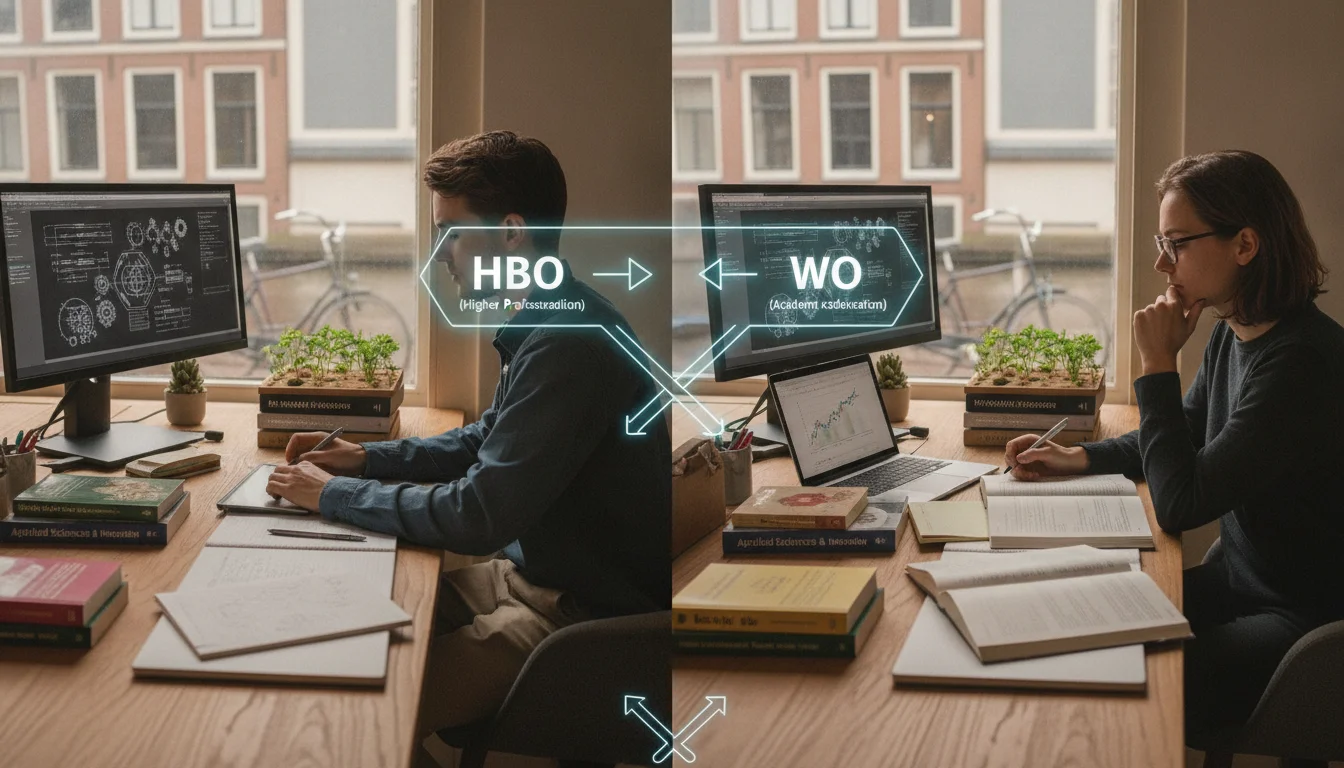
Demystifying the Dutch Higher Education System Welcome to the Netherlands—a country famous for its flat landscapes, efficient cycling...
Read more
Imagine spending your summer cycling along the historic canals of Amsterdam, collaborating with leading global innovators in Rotterdam, or diving into cutting-edge tech projects in Eindhoven. Securing a summer internship in the Netherlands is more than just a resume booster—it is an open door to one of Europe’s most dynamic, forward-thinking, and balanced work cultures. As we look ahead to 2026, the Dutch market remains highly attractive for international students, but the competition is fiercer than ever.
For international students, navigating the Dutch internship search requires a strategic approach. From understanding the local work culture to clearing visa hurdles and learning the language, preparation is key. In this comprehensive guide, we will break down everything you need to know to secure your dream summer internship in the Netherlands for 2026, complete with legal insights, practical application tips, and cultural secrets.
Before you begin sending out applications, it is crucial to understand how internships (known as stages in Dutch) are structured in the Netherlands. Unlike some countries where internships are purely observational, Dutch companies treat interns as valuable, active members of the team. You will be expected to take ownership of tasks, voice your opinions, and contribute to actual business goals.
In the Netherlands, internships generally fall into two main categories:
For a summer internship, you will primarily be targeting meewerkstages. Keep in mind that while many large multinationals (like Philips, ASML, Heineken, and ING) offer English-speaking roles, local small and medium-sized enterprises (SMEs) often prefer candidates who have at least a basic grasp of the Dutch language.
One of the most critical aspects of securing an internship in the Netherlands is ensuring you have the legal right to work. The regulations differ significantly depending on your nationality:
If you hold a passport from an EU/EEA country or Switzerland, you are in luck. You have the same rights as Dutch students. You do not need a work permit (TWV) to do an internship in the Netherlands, and there are no restrictions on the number of hours you can work.
If you are a non-EU student studying at a Dutch higher education institution on a student visa, you can do an internship without a work permit, provided that the internship is a mandatory part of your study program. You, your university, and the employer must sign a standard internship agreement (stageovereenkomst). You can find more details about these regulations directly on the official Immigration and Naturalisation Service (IND) website.
If you are studying outside the Netherlands and want to come here for a summer internship, the process is more complex. Your employer will need to apply for a work permit (TWV) on your behalf through the Dutch employee insurance agency (UWV). Because this process can take several weeks and involves administrative fees, you should focus on larger, international companies that have dedicated HR teams experienced in handling visa sponsorship.
Finding the right vacancy requires looking in the right places. The Dutch job market is highly digitalized, and there are several platforms dedicated specifically to students and young professionals:
While online job boards are highly effective, do not underestimate the power of direct networking. The Dutch business community is highly accessible. Utilizing professional networking strategies for expats can help you build direct connections with hiring managers on LinkedIn or at local career fairs, bypassing the traditional application pile entirely.
A common misconception among international students is that because over 90% of the Dutch population speaks fluent English, there is no need to learn Dutch. While this might be true for daily survival, the professional reality is quite different.
When companies compare two equally qualified international candidates, the one who has taken the initiative to learn even basic conversational Dutch will almost always win. It demonstrates commitment, cultural respect, and a willingness to integrate into the team. During coffee breaks, lunch walks (the famous Dutch lunchwandeling), and informal meetings, your colleagues will naturally slip into Dutch. Being able to follow along makes you a much more integrated and trusted team member.
This is where StroopTaal becomes your secret weapon. StroopTaal is an AI-powered Dutch language learning app designed to fit seamlessly into a busy student's schedule. Instead of dry grammar drills, StroopTaal focuses on practical, real-life Dutch conversation practice with AI, allowing you to build the exact vocabulary you need for a professional office setting. By practicing with StroopTaal's interactive dialogue games, you can build the confidence to speak Dutch during informal office chats and stand out from other applicants.
When reaching out to hiring managers, sending a message in Dutch—or even just starting and ending your email in Dutch—shows incredible initiative. If you want to make a stellar first impression, make sure you master the art of writing professional Dutch emails before hitting send.
Dutch recruiters appreciate structure, clarity, and honesty. They are notoriously busy and will often scan a resume in under ten seconds. To make sure yours stands out, follow these Dutch CV standards:
Your cover letter (sollicitatiebrief) should be equally direct. Explain clearly why you are interested in that specific company and how your skills can solve a problem they are currently facing. Avoid overly formal or obsequious language; address the hiring manager by their name if possible, and maintain a professional yet conversational tone.
If your application is successful, you will be invited for an interview (sollicitatiegesprek). The Dutch interview process is known for being a two-way street. Recruiters do not just want to grill you; they want to see if you are a good cultural fit for the team.
Expect a high degree of directness. Dutch interviewers may ask straightforward questions about your weaknesses, your past failures, or why you chose to study in the Netherlands. Do not take this directness as rudeness; it is simply a reflection of the transparent Dutch communication style. Be prepared to answer honestly and back up your claims with concrete examples using the STAR method (Situation, Task, Action, Result).
Furthermore, prepare insightful questions to ask them at the end of the interview. Ask about the team dynamics, the daily responsibilities, or how they measure the success of an intern. If you want to truly impress your interviewers and show your commitment to integrating, check out these essential tips on acing your Dutch job interview.
Securing a summer internship in the Netherlands for 2026 requires preparation, cultural awareness, and persistence. By understanding the legal requirements early, optimizing your application for the Dutch market, and actively building your professional network, you will position yourself for success in one of Europe’s most rewarding work environments.
Do not wait until spring to start preparing. The most competitive summer internship programs open their applications as early as October and November of the preceding year. Start researching companies, tailoring your CV, and building your language skills today. Download the StroopTaal app to start practicing conversational Dutch, and take your first step toward an unforgettable summer professional experience in the Netherlands!
Share this article:
Demystifying the Dutch Higher Education System Welcome to the Netherlands—a country famous for its flat landscapes, efficient cycling...
Read moreYour Guide to Funding Your Dutch Education in 2026 The Netherlands has long been one of the world's premier study destinations. Renowned for its...
Read moreIntroduction: Why Dutch mentorship matters for your career The Netherlands is known for its direct communication, strong work-life balance and...
Read more