Celebrating Liberation Day (Bevrijdingsdag) 2026 in the Netherlands
Introduction: The Spirit of Freedom in the Netherlands As spring paints the Dutch landscape in vibrant hues of green and orange, the Netherlands...
Read more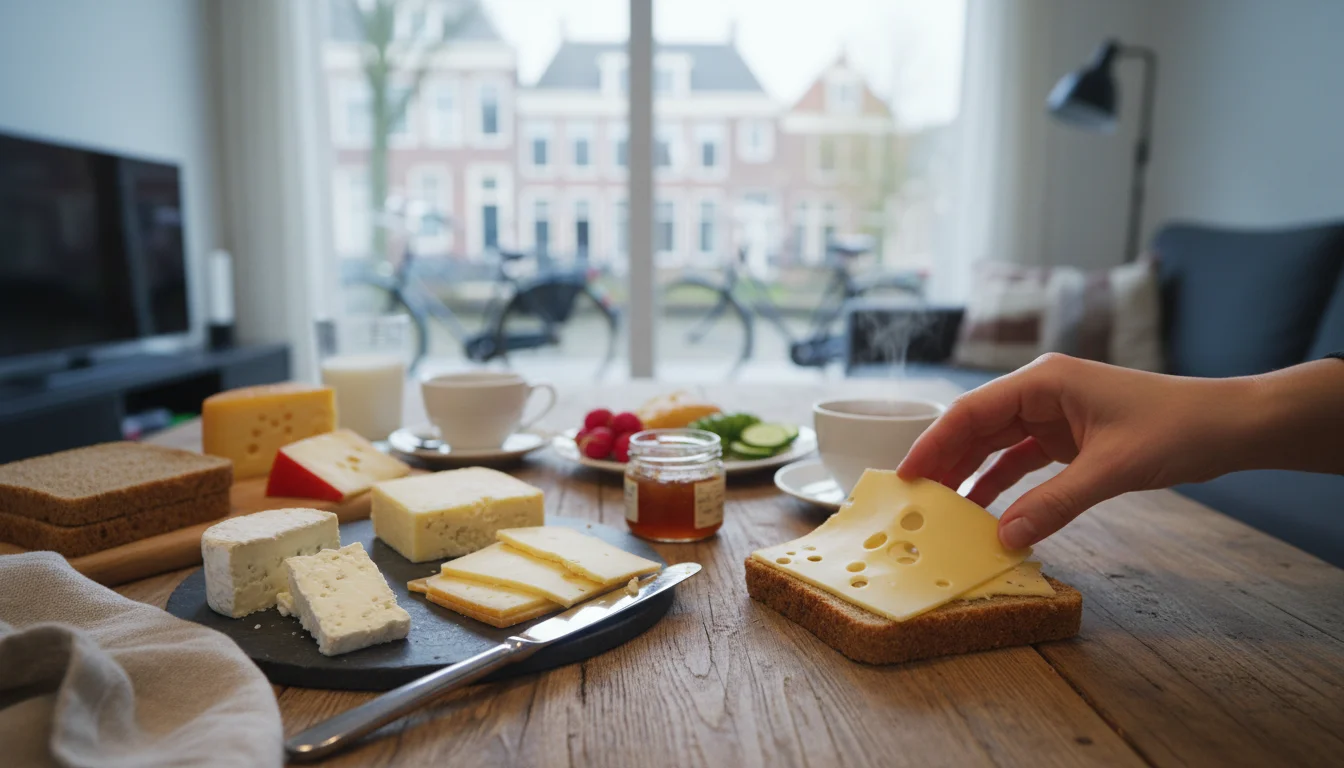
Imagine your first day at a Dutch office. The clock strikes noon, and a curious ritual unfolds. Instead of colleagues heading out to bustling cafes for hot meals, a quiet rustling fills the air. Out come the 'broodtrommels'—lunch boxes—each revealing a stack of neatly prepared sandwiches. You see bread, you see cheese, maybe some ham. And that's... it. No steaming bowls of soup, no elaborate salads, no leftovers from last night's dinner. Welcome to the heart of Dutch eating habits: the humble yet mighty bread-and-cheese lunch.
For many expats and visitors, this midday meal is a source of cultural bewilderment. Is it a diet? A testament to frugality? Or something deeper? The truth is, this simple lunch, often called a 'boterham met kaas', is a window into the Dutch soul. It’s a practice steeped in efficiency, pragmatism, and a cultural preference for simplicity. Let's unwrap the layers of the Dutch lunch and discover what it tells us about life in the Netherlands.
At its core, the Dutch lunch is straightforward. The foundation is bread ('brood'), the star is the topping ('beleg'), and the execution is minimal. But within this simplicity lies a world of subtle variation.
The Dutch take their bread seriously. While you'll find white bread ('witbrood'), the real heroes are the whole wheat varieties. When you go to a bakery or supermarket, you'll be met with an array of options:
A typical lunch consists of two to four slices of this bread, often buttered ('boter') to prevent the topping from making the bread soggy.
While various toppings exist, one reigns supreme: cheese ('kaas'). The Netherlands is world-renowned for its cheese, and it's a non-negotiable part of the daily diet. Slices of Gouda or Edam are the most common, categorized by age:
Beyond cheese, other popular 'beleg' include:
So, why this unwavering devotion to a cold, simple lunch? The answer lies in Dutch culture, which values pragmatism, efficiency, and modesty. The idea of taking a long, leisurely, multi-course lunch is, for many Dutch people, simply inefficient.
Efficiency and Practicality: The 'boterham' is the ultimate practical meal. It’s quick to prepare in the morning, easy to transport in a 'broodtrommel', and can be eaten at one's desk without fuss. This allows for a shorter lunch break, maximizing the workday and enabling an earlier departure time to enjoy the evening. This efficiency-first mindset is a cornerstone of Dutch society, extending even to workplace negotiations, a concept known as the Dutch Poldermodel.
Calvinist Influence: Historically, the Netherlands was heavily influenced by Calvinism, a branch of Protestantism that promoted sobriety, thrift, and modesty. This ethos discouraged extravagance and indulgence. A simple, nourishing meal was seen as sufficient; anything more was unnecessary. While the direct religious influence has waned, this cultural DNA of 'doe maar normaal, dan doe je al gek genoeg' ('just act normal, that's crazy enough') persists.
The Main Meal is Dinner: Traditionally, the hot, substantial meal of the day is dinner ('avondeten'), typically eaten around 6 PM. Lunch is seen purely as a functional refueling stop to get through the afternoon, not as a major culinary or social event.
Whether you're working in a Dutch office or just trying to blend in, here’s how to handle the midday meal like a local.
The number one rule is to prepare for the 'broodtrommel' culture. Bringing your own lunch from home is the norm and is not seen as unsociable. It’s a practical choice that saves time and money. Your Dutch colleagues will be doing the same. Most office canteens ('kantines') are designed to supplement this, offering milk, juice, and perhaps a bowl of soup, but the main event is almost always the sandwich you brought from home.
If you do go out, you'll likely head to a 'broodjeszaak' (sandwich shop). Here, you can get a more elaborate sandwich, often on a fresh bread roll ('broodje'). Expect to see options like a 'broodje gezond' ('healthy' roll with cheese, ham, and salad) or a 'broodje haring' (herring sandwich, for the more adventurous).
Lunch breaks are typically short, often just 30 minutes. It's common for people to eat at their desks while continuing to work or chat with colleagues nearby. The social aspect happens, but it's brief and efficient.
While the 'boterham' is dominant, it’s not the only option. The Dutch do enjoy other, slightly more elaborate, lunch dishes, especially when eating out or on weekends.
Learning the local language is the best way to integrate, and food is a fantastic starting point. Here are some essential Dutch words and phrases related to lunch. You'll quickly find that the simple Dutch lunch can be incredibly lekker, a versatile word you'll hear everywhere.
Mastering these phrases is one thing, but using them confidently is another. With the StroopTaal app, you can practice ordering a 'broodje kaas' or discussing your lunch plans in our real-life AI conversation scenarios. Our AI tutor provides instant feedback on your pronunciation, helping you work on sounding more natural. It’s the perfect way to turn cultural knowledge into practical language skills.
The Dutch bread-and-cheese lunch is more than just a meal; it's a cultural institution. It reflects a national character that values efficiency, modesty, and a down-to-earth approach to life. While it may seem underwhelming at first, there's a certain charm to its simplicity. For an expat or language learner, embracing the 'boterham' is a step toward understanding the Dutch mindset.
So next time you see a 'broodtrommel', don't see a boring lunch. See a cultural artifact, a symbol of pragmatism, and a quiet daily ritual that connects millions of people across the Netherlands. For more insights into Dutch food and culture, check out the wide world of Dutch cuisine.
Ready to not just understand Dutch culture but to speak the language too? Download StroopTaal and start your personalized journey to fluency today. Practice real conversations, master grammar, and build your vocabulary with our AI-powered lessons. Eet smakelijk!
Share this article:
Introduction: The Spirit of Freedom in the Netherlands As spring paints the Dutch landscape in vibrant hues of green and orange, the Netherlands...
Read moreThe Ultimate Guide to King's Day: History, Traditions, and Why Everyone Wears Orange Step into any Dutch city on April 27th, and you'll be swept into...
Read moreApril in the Netherlands: A Technicolor Dream of Tulips and Tradition Imagine a landscape painted in strokes of vibrant red, sunny yellow, and deep...
Read more