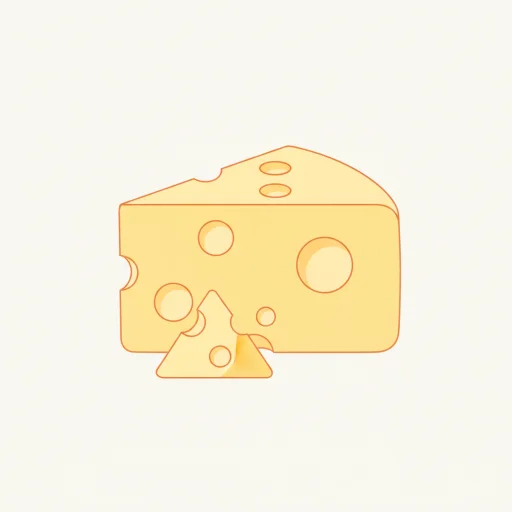
Ik eet kaas.
I eat cheese.
Is it de or het kaas?
It is de kaas. Dutch nouns take either de or het and the choice is not predictable from the word itself, so it is learned with the noun rather than worked out.
Other forms of kaas
- Plural
- kazen
- Diminutive
- kaasje
How to use kaas
This article was written by AI and published by StroopTaal.
This means the usage note below. The rest of the page comes from the StroopTaal word list.
De kaas is cheese, and in the Netherlands cheese is part of daily life: on bread at breakfast and lunch, in cubes at parties, and at every market.
- By age: Dutch cheese is sold by how long it has matured: jong (young, mild), belegen (matured), oud (old, strong). There are steps in between, like jong belegen and extra belegen.
- At the counter: "Mag ik een stuk jong belegen?" (May I have a piece of young matured?). You can ask for it sliced: gesneden. At the market, the cheese seller is de kaasboer.
- A slice: een plakje kaas. A cheese slicer is een kaasschaaf.
- Names you will see: Goudse kaas (Gouda), Edammer (Edam), Leidse kaas (with cumin) and geitenkaas (goat's cheese).
Plural and diminutive: kazen (cheeses) and kaasje.
Expression: "Daar heeft hij geen kaas van gegeten" means he knows nothing about it.
Watch out: it is de kaas. The aa is long: say it like the "a" in English "father", held a little longer. And pindakaas is not cheese at all: it is peanut butter.
Example sentences with kaas
-
Zij eet graag brood met kaas.
She likes to eat bread with cheese.
kaas in other languages
- Türkçe
- peynir
- Polski
- ser
- Українська
- сир
- العربية
- جبنة
- Deutsch
- der Käse
- Español
- el queso
Learn kaas in StroopTaal
kaas is taught in these StroopTaal lessons:
- The Dutch Alphabet (A0)
- Hungry or Thirsty? Expressing Needs (A0)
- Daily Dutch: Food & Drinks (A0)
Ready to begin?
Download StroopTaal for Live Speaking Mode, AI lessons, document scanning, pronunciation feedback, and practice for each part of the Inburgering and the NT2.
