Inburgering Exam Costs 2026: Your Full Budgeting Guide
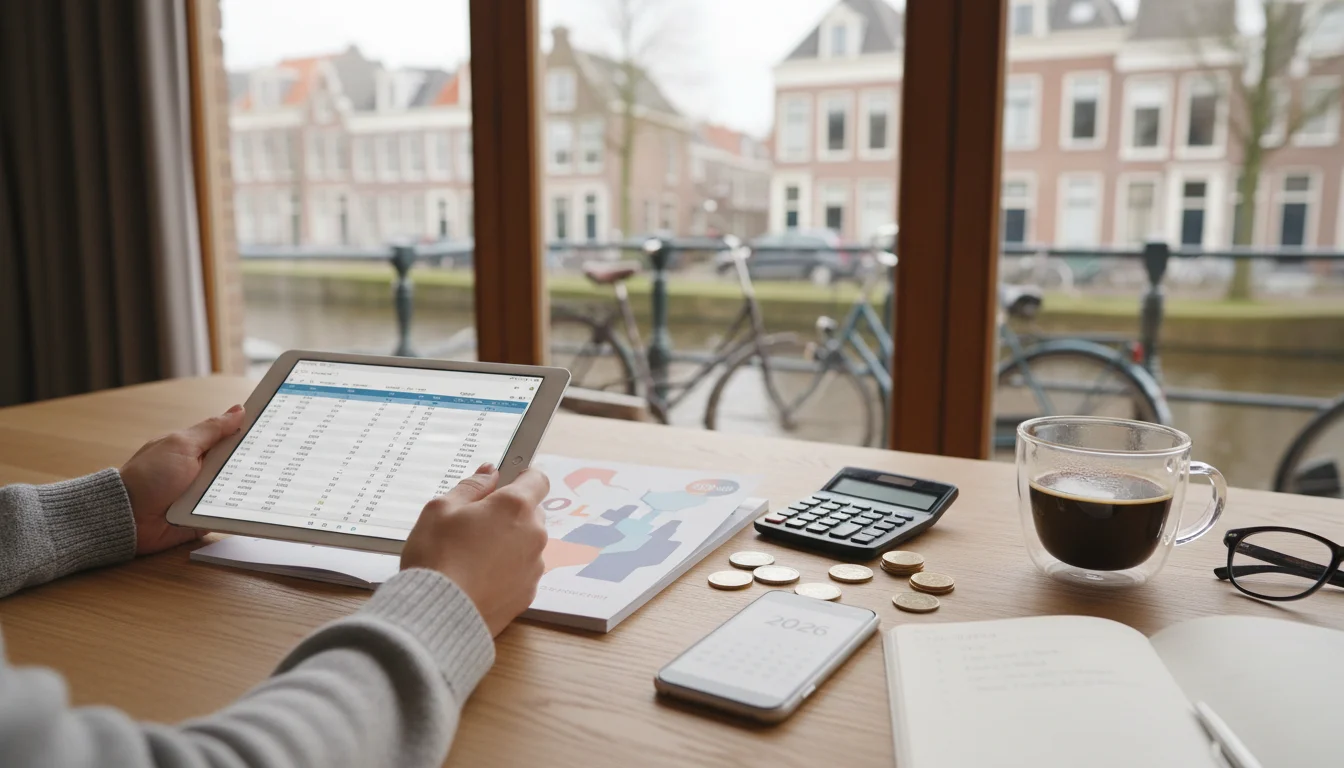
Navigating the Financial Path to Dutch Integration in 2026 Embarking on the Dutch inburgering journey is a significant step towards building a life...
Read more
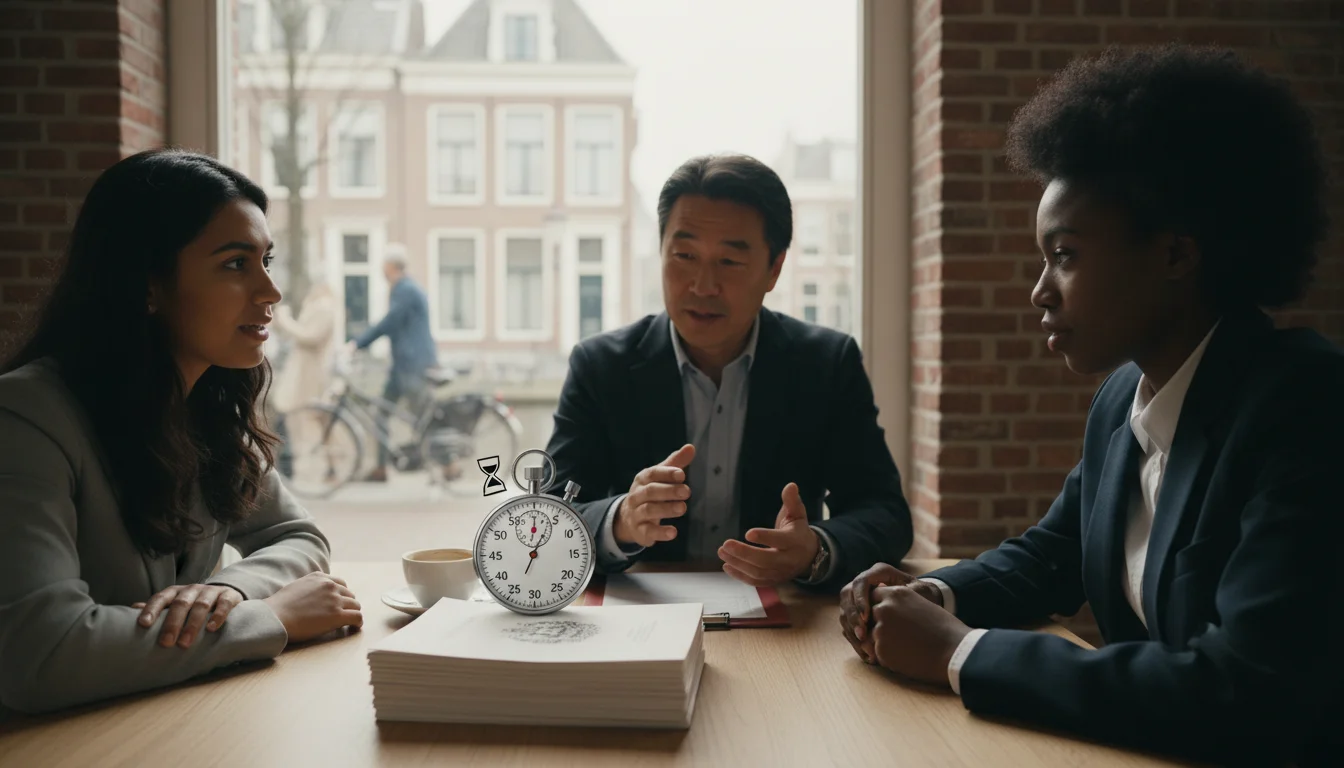
For many people navigating the Dutch integration process, one component looms larger and more intimidating than the rest: the ONA interview. ONA, which stands for Oriëntatie op de Nederlandse Arbeidsmarkt (Orientation on the Dutch Labour Market), isn't just a language test. It’s a deep dive into your professional future in the Netherlands, and the final interview, or eindgesprek, can feel like the ultimate hurdle.
If the thought of discussing your career plans, competencies, and knowledge of Dutch work culture—all in Dutch—makes your palms sweat, you're not alone. But fear not. This comprehensive guide will demystify the ONA process for 2026, breaking it down into manageable steps. We'll cover everything from building a rock-solid portfolio to mastering the interview itself, so you can walk in with confidence and walk out one step closer to your inburgering diploma.
Before diving into preparation, it's crucial to understand what ONA is and why it's part of the inburgering exam. The Dutch government wants to ensure that newcomers are not only linguistically integrated but also equipped to participate in the economy. ONA is designed to prove that you have actively explored the Dutch job market and have a realistic plan to find work.
The ONA component consists of two main parts:
As the Netherlands continues to raise the bar for integration, the language requirement has become more significant. The expectation for all components of the civic integration exam is shifting, and for ONA, this means being able to hold a professional conversation. To understand the broader context of this shift, you should review the comprehensive guide on the new B1 level inburgering exam, as it informs the level of fluency you should aim for.
Your portfolio is the script for your interview. A thorough, well-researched portfolio not only gets approved faster but also makes your final interview significantly easier. You'll be discussing what you already know. Let's break down the 8 result cards.
What it is: You need to research professions that suit your skills and interests (Card 1) and then choose one to analyze in-depth (Card 2).
Actionable Tip: Don't just pick your old job. Research realistic options in the current Dutch market. Use websites like nationaleberoepengids.nl and LinkedIn to find job titles, required skills (eisen), and average salaries (salaris). For your chosen profession, detail daily tasks, required education, and career prospects.
What it is: You must list your key competencies (e.g., teamwork, problem-solving) with concrete examples (Card 3) and show you have a realistic understanding of your chosen profession (Card 4).
Actionable Tip: For your competencies, use the STAR method: Situation (describe the context), Task (what was required), Action (what you did), and Result (what the outcome was). To gain a realistic view, try to conduct an informational interview (even via email) with someone in your target field or watch 'day in the life' videos on YouTube to understand the daily realities of the job.
What it is: You need to find and analyze actual job vacancies (Card 5) and prepare application materials like a CV and cover letter (Card 6).
Actionable Tip: Find 3-5 real, current job ads on sites like Indeed.nl or Monsterboard.nl. Analyze the requirements and explain why you are a good fit. Then, create a Dutch-style CV—which is typically more detailed than a US resume—and write a formal cover letter for one of the vacancies. This demonstrates practical job-seeking skills.
What it is: Show your understanding of the unwritten rules of the Dutch workplace (Card 7) and create a concrete plan to achieve your career goals (Card 8).
Actionable Tip: Research topics like Dutch directness ('bespreekbaarheid'), the importance of consensus ('poldermodel'), and work-life balance. You can find excellent information on government portals like the one provided by the Netherlands Enterprise Agency. For your development plan, create a timeline. For example: "Months 1-3: Complete B1 Dutch course. Month 4: Take a course in [specific software]. Month 5: Start applying for jobs."
With a strong portfolio submitted, your focus now shifts to the eindgesprek. This is where your preparation truly pays off.
The examiners will have your portfolio in front of them. Every question they ask will stem from something you wrote. You must be the absolute expert on your own document. Before the interview, re-read it until you've memorized the key points. Ask a friend or family member to quiz you on its contents.
While the questions are personalized, they follow common themes. Prepare and practice your answers to questions like:
Practicing these specific scenarios is key. Tools like StroopTaal's AI conversation practice can be invaluable here. You can simulate the ONA interview, get instant feedback on your pronunciation, and build the confidence to speak naturally about your career goals without the pressure of a live tutor.
Many candidates stumble on the same few issues. Be aware of these common pitfalls to ensure you don't fall into them:
The ONA interview for the 2026 inburgering exam is a serious challenge, but it is far from insurmountable. It is a structured process that rewards thorough preparation, realistic planning, and dedicated practice. By building a detailed portfolio, you create a strong foundation. By practicing your answers and polishing your Dutch, you build the confidence to succeed.
Remember, ONA is not just another test to pass; it's a practical exercise in planning your future in the Netherlands. It forces you to learn about Dutch society in a way that directly benefits you, much like the Knowledge of Dutch Society (KNM) exam. Embrace the process as a valuable step in your professional journey. Start building your professional vocabulary today with StroopTaal's spaced repetition system and walk into your ONA interview ready to succeed.
Share this article:
Navigating the Financial Path to Dutch Integration in 2026 Embarking on the Dutch inburgering journey is a significant step towards building a life...
Read moreNavigating the Inburgering Exam: Your Right to a Fair Chance The Dutch inburgeringsexamen is a significant milestone on your journey to living in the...
Read moreGefeliciteerd! You Did It! The countless hours studying Dutch grammar, the nerve-wracking practice conversations, the deep dive into Dutch...
Read more